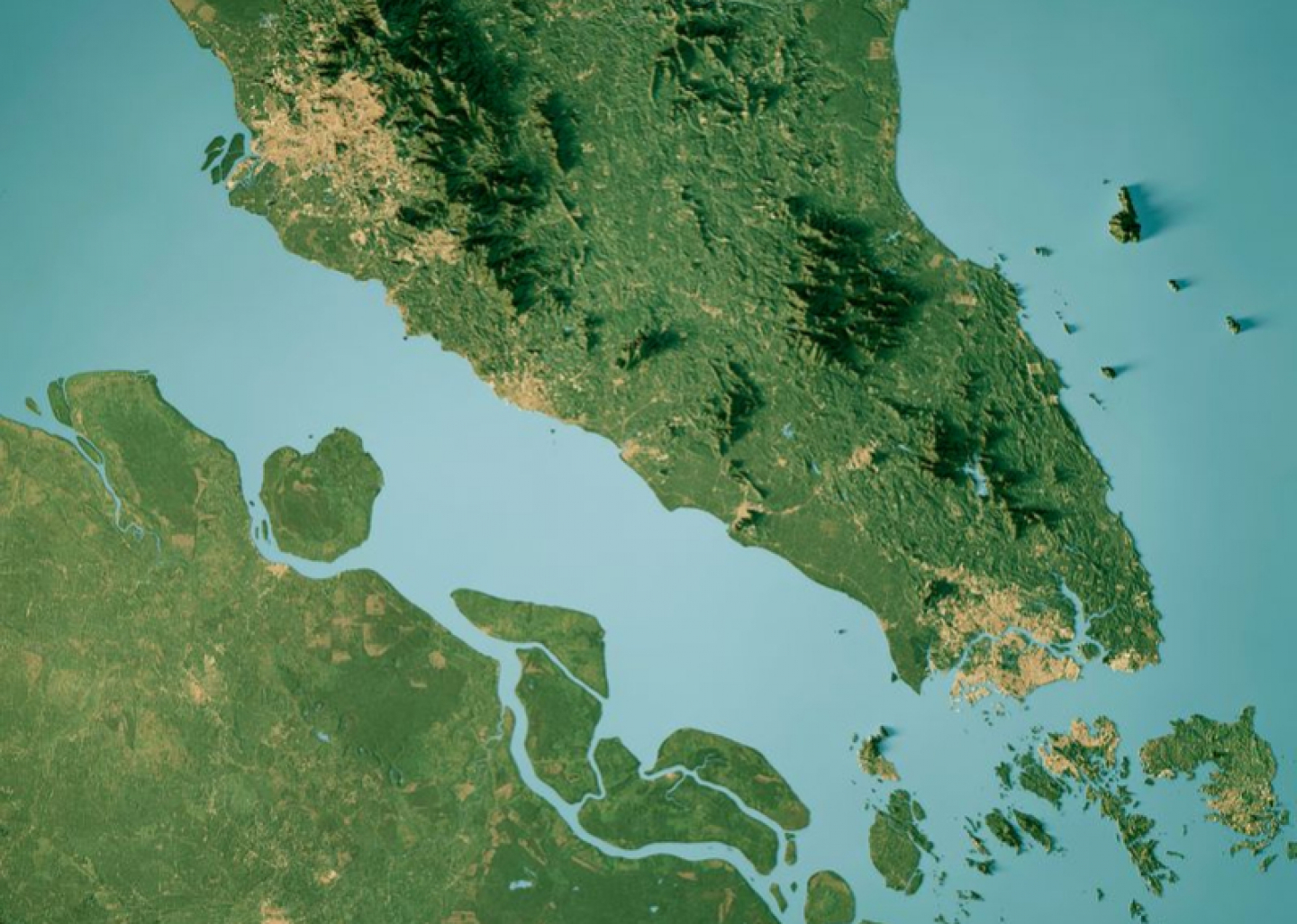
The article argues that a proposed levy on vessels transiting the Malacca Strait would violate UNCLOS and likely fail without support from Malaysia and Singapore. It highlights that Indonesia’s archipelagic statehood and maritime rights were themselves enabled by UNCLOS, making any toll proposal legally and diplomatically self-defeating. The immediate market impact is limited, but the issue matters for shipping, regional cooperation, and rule-of-law credibility.
The market should treat this less as a near-term toll headline and more as a signal that the region’s most important maritime chokepoint remains politically fragile. The immediate beneficiary is not a fee-based operator but the existing legal-status quo: insurers, container lines, and commodity shippers get a modest de-risking rally if Jakarta publicly retreats, while any serious levy talk would widen war-risk and political-risk premia across Southeast Asian routing decisions. The second-order effect is that even speculative discussion can encourage carriers to pre-emptively pad transit costs via surcharges, which would leak into freight rates before any formal policy change.
The real downside scenario is a coordination breakdown among the three littoral states. A unilateral move would be commercially impotent at first, but it could trigger longer-dated routing tests, more vessel re-flagging/registration scrutiny, and increased diversion planning through alternative regional hubs. That matters because the strait’s value is not toll revenue; it is reliability. Any perceived erosion of legal certainty raises the cost of capital for logistics-heavy EM assets and could narrow the valuation premium for Southeast Asian port and trade-exposed equities over the next 6-12 months.
The contrarian point is that the market may overreact to the rhetoric while underpricing how unlikely implementation is. The legal framework, the need for consensus, and the immediate pushback make actual monetization low probability; the investable edge is in volatility, not directional exposure. If the issue resurfaces, it should be faded on headline strength unless there is evidence of formal legislative drafting or joint-state coordination. The more durable trade is to own beneficiaries of stable trade flows and short the names most exposed to freight cost pass-through if rhetoric escalates.
AI-powered research, real-time alerts, and portfolio analytics for institutional investors.
Request TrialOverall Sentiment
neutral
Sentiment Score
-0.05
