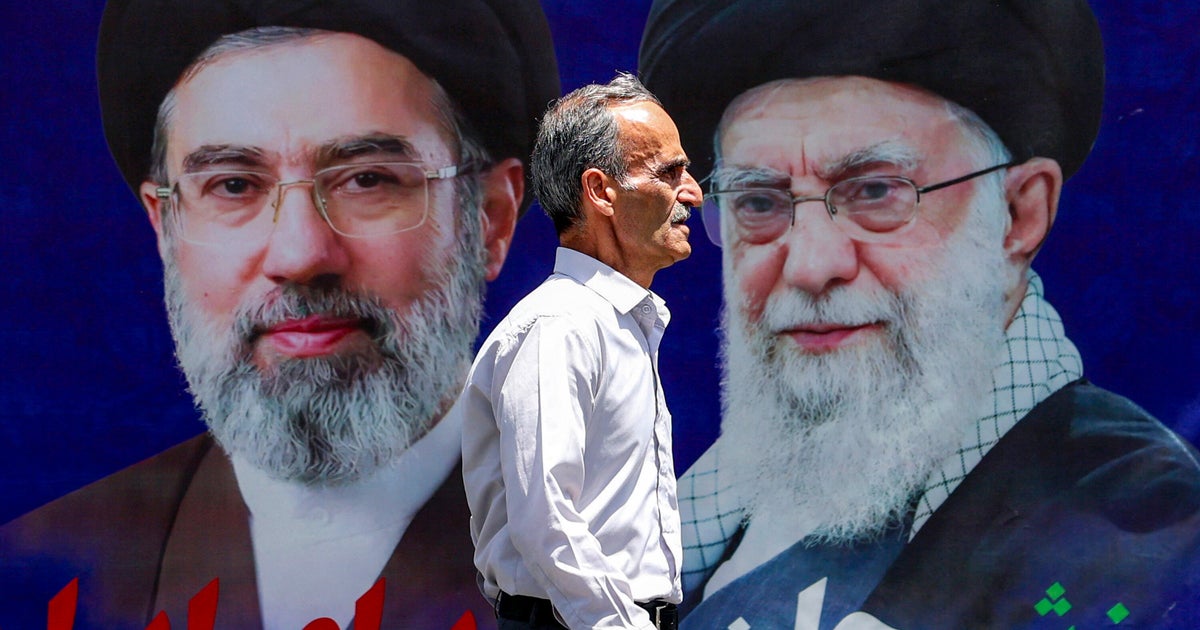
The article says Iran’s leadership is not in collapse, but rather shifting toward an IRGC-dominated wartime structure, with little evidence that internal fractures are derailing decision-making. Trump has framed the regime as fractured and in collapse as negotiations stall, while analysts argue Tehran remains aligned around regime survival and sanctions relief. The geopolitical backdrop remains highly volatile, with U.S.-Iran war dynamics and ceasefire/peace talks still unresolved.
The market implication is not a regime-collapse trade; it is a regime-adaptation trade. Centralization around hard-power institutions typically improves decision speed, increases coercive capacity, and raises the probability of asymmetric escalation rather than clean capitulation. That matters because sanction pressure tends to become more durable when the security apparatus, not civilian technocrats, controls bargaining, making any relief path slower and more conditional.
The near-term winner is the global oil complex via a higher geopolitical risk premium, but the second-order effect is more important: elevated uncertainty should keep insurance, shipping, and infrastructure-security costs sticky even if crude retraces. For EM assets, the relevant transmission is not just energy prices but balance-of-payments stress for importers and a wider dispersion within the EM universe between commodity exporters and net importers over the next 1-3 months.
The consensus is probably overreading headline infighting as a destabilization signal. The more likely outcome over the next 30-90 days is tactical ambiguity with strategic continuity: negotiation noise, hardening rhetoric, and periodic risk-off spikes, but no obvious internal break that would force a fast policy reset. The real tail risk is miscalculation—if one side interprets the other’s internal coordination as weakness, escalation probability rises sharply before any diplomatic premium can be priced back in.
A contrarian angle: if markets have been positioning for imminent de-escalation, the absence of a credible succession fracture is actually bearish for peace. A more cohesive security-state Iran is a better bargaining counterparty for sanctions relief, but a worse near-term partner for compromise, which argues for staying long volatility rather than directional beta until there is proof of institutional delegation back to civilians.
AI-powered research, real-time alerts, and portfolio analytics for institutional investors.
Request DemoOverall Sentiment
mildly negative
Sentiment Score
-0.25
