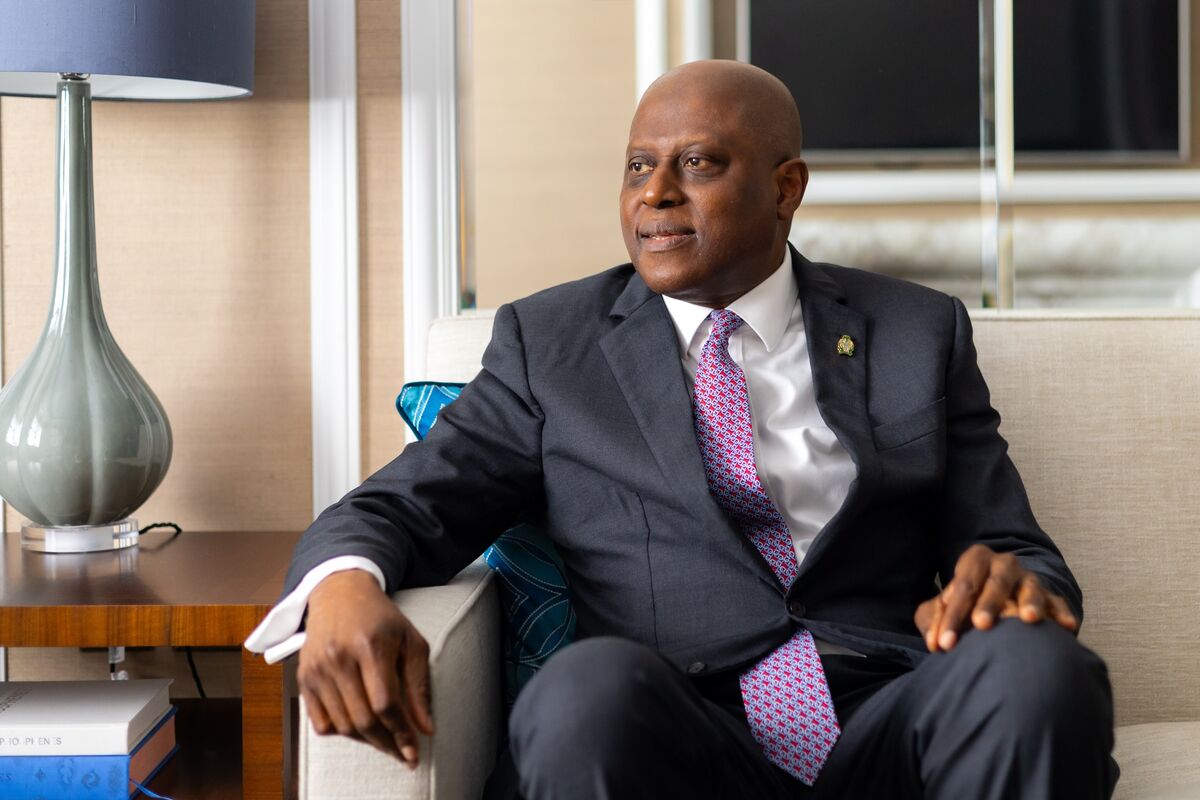
Nigeria's central bank governor will unexpectedly lead the nation's delegation to the International Monetary Fund meetings in Washington this week, replacing Finance Minister Wale Edun, who is reportedly 'indisposed.' This unusual change in leadership for a critical international financial forum could signal internal dynamics or a strategic shift in Nigeria's economic representation at a time of significant global economic discussions.
Nigeria's central bank governor will unexpectedly lead the nation's delegation to the International Monetary Fund meetings, replacing Finance Minister Wale Edun, who is reportedly "indisposed." This unannounced change in leadership for a critical international financial forum introduces an element of uncertainty regarding Nigeria's official economic representation and policy continuity.
The development, classified under themes of Monetary Policy, Fiscal Policy & Budget, and Emerging Markets, carries a mildly negative sentiment score of -0.2, reflecting investor apprehension. While the immediate market impact score is a low 0.3, the lack of transparency surrounding the finance minister's absence could signal underlying internal political or economic dynamics.
This situation warrants close observation for any potential shifts in Nigeria's economic strategy or governance stability. Investors should consider how this leadership change might influence ongoing discussions with international bodies and the country's approach to key macroeconomic challenges.
AI-powered research, real-time alerts, and portfolio analytics for institutional investors.
Request DemoOverall Sentiment
mildly negative
Sentiment Score
-0.20
