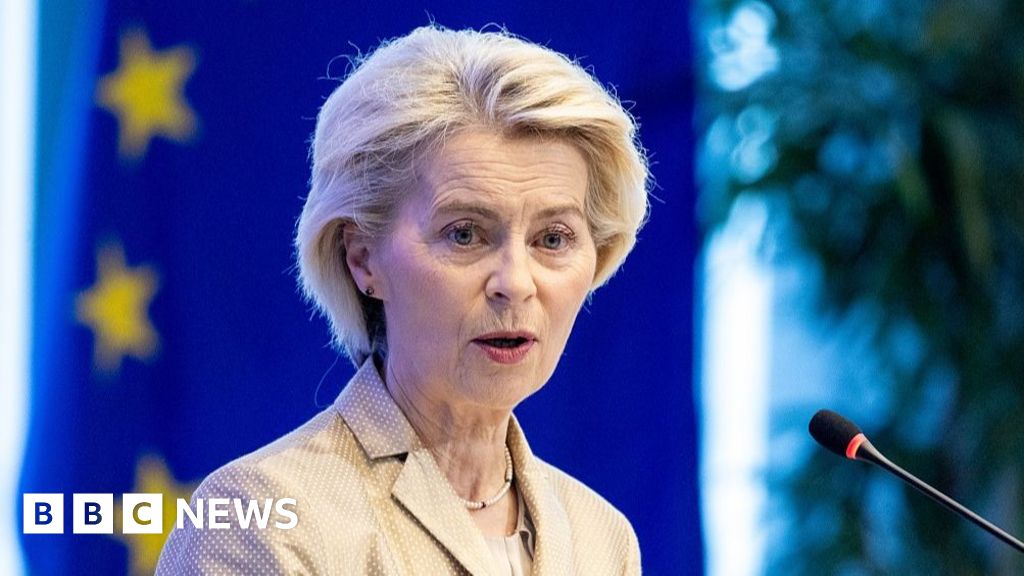
The European Commission has proposed suspending trade privileges for Israeli goods and sanctioning ministers, a move that would impose tariffs on agricultural exports. However, the package faces significant opposition from key member states, making its adoption unlikely despite the EU being Israel's top trading partner. The estimated economic impact of these trade restrictions is limited to €227 million annually, with only a symbolic €9.4 million bilateral support suspension taking immediate effect, while Israel has dismissed the proposals as "morally and politically distorted" and warned of retaliation.
The European Commission has proposed suspending trade privileges and imposing sanctions on Israel, a move that, while representing a significant diplomatic escalation, is unlikely to be implemented due to internal EU divisions. The proposals require a qualified majority for trade restrictions and unanimity for sanctions, both of which face opposition from key member states like Germany and Italy. While the EU is Israel's largest trading partner, with bilateral goods trade totaling €42.6 billion in 2024, the direct economic impact of the proposed tariff measures is estimated to be limited to €227 million annually, primarily affecting agricultural exports. The only immediate action is a symbolic suspension of €9.4 million in bilateral support, underscoring the currently low material impact of the announcement. However, Israel's characterization of the proposal as "morally and politically distorted" and its vow to respond "in kind" introduces the risk of retaliatory measures, which could create broader trade friction regardless of whether the EU's package is adopted.
AI-powered research, real-time alerts, and portfolio analytics for institutional investors.
Overall Sentiment
mildly negative
Sentiment Score
-0.15
