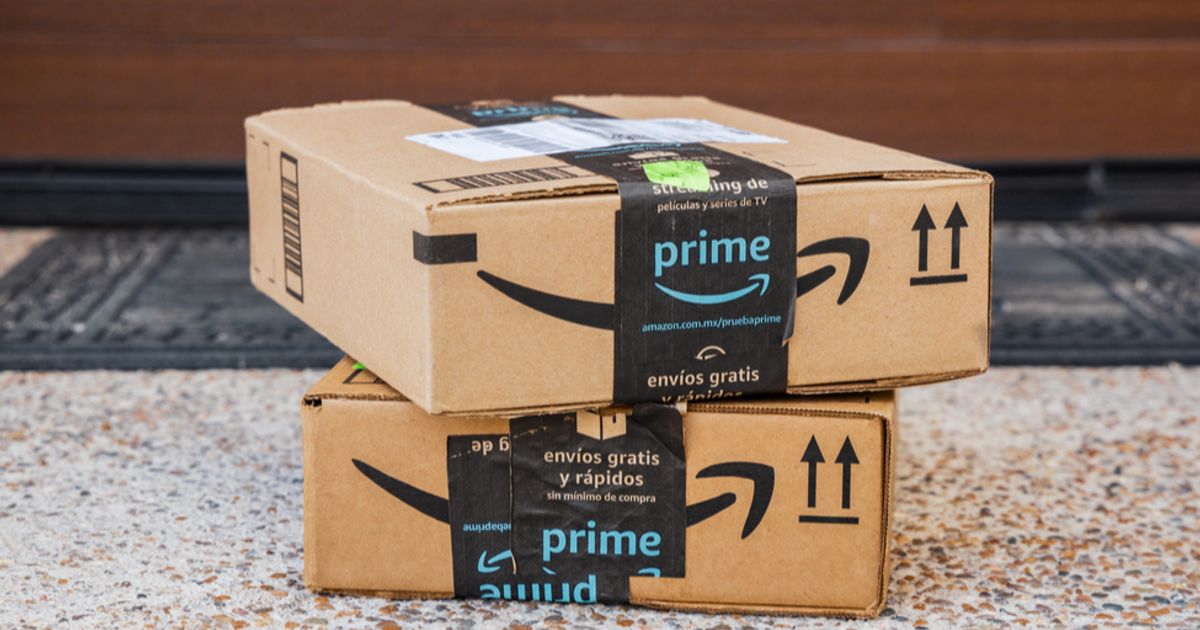
Amazon's Prime Day experienced a nearly 14% year-over-year sales decline in its initial four hours, according to retail data firm Momentum Commerce, causing Amazon shares to fall approximately 1.5%. This early performance contrasts sharply with analyst forecasts for double-digit growth and may be attributed to the event's extended four-day duration or fewer early deals. The unexpected slump also signals growing consumer caution, with some shoppers citing uncertainty around tariffs, underscoring Prime Day's significance as a key barometer for broader US consumer demand.
Initial sales data from Amazon's Prime Day event signals potential headwinds, with a reported 14% year-over-year decline in the first four hours, directly contradicting analyst expectations for double-digit growth. This negative data point prompted an immediate market reaction, with Amazon's shares falling approximately 1.5%. Two key factors may explain the underperformance: the strategic extension of the event from two to four days, which could be dispersing sales over a longer period, and a reduction in early deals that dampened initial shopper urgency. However, the slump may also reflect broader economic pressures, as a recent survey indicated that 25% of shoppers intended to skip the event, citing uncertainty around tariffs. As Prime Day is widely considered a barometer for US consumer health, this early weakness raises concerns about consumer resilience and spending power, despite Amazon's generic statement on its commitment to low prices and supporting sellers.
AI-powered research, real-time alerts, and portfolio analytics for institutional investors.
Overall Sentiment
moderately negative
Sentiment Score
-0.50
Ticker Sentiment
