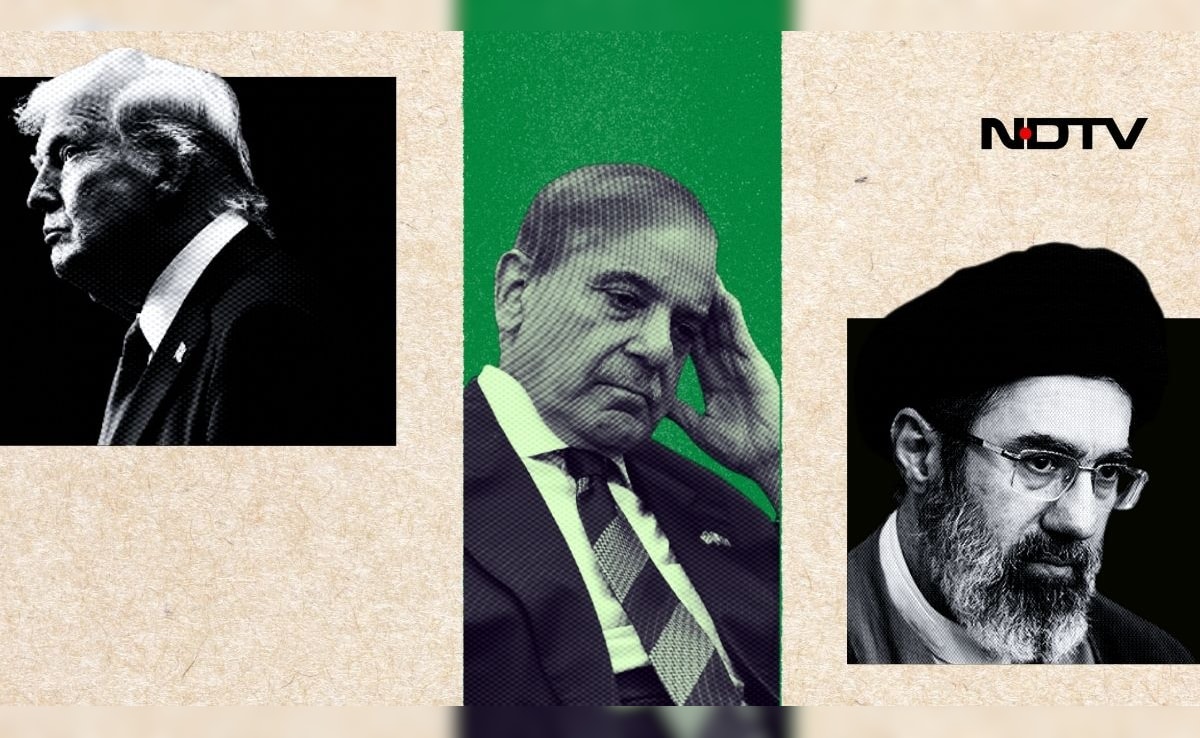
Pakistan is acting as a transactional broker between Washington and Tehran, leveraging its nearly 1,000-km border with Iran but lacking the political or economic leverage to shape outcomes. This increases tail-risk to energy supplies — threats to the Strait of Hormuz (and a widening front at Bab al-Mandeb) could sustain oil-price upside and pressure import bills and Gulf remittances for Pakistan. For portfolios, expect risk-off flows into oil and safe-haven assets, regional FX and sovereign credit of vulnerable EMs to come under pressure, and elevated supply-chain volatility for energy-dependent sectors.
The market is pricing a higher, persistent geopolitical risk premium rather than a short spike — expect elevated energy and shipping premia to persist on a weeks-to-quarters horizon because procedural channels reduce accidental escalation but do not create binding settlements. That implies oil forward curves will carry a persistent contango in near-dated months as inventory and longer routing lift marginal transport and insurance costs by a few dollars per barrel, pressuring import-dependent balance sheets in emerging markets.
Second-order transmission will hit trade-heavy supply chains: containerized goods will see basis widening between spot and contract rates as shippers re-route around chokepoints, creating transient 5-15% margin pressure for retailers and OEMs with thin inventories over the next 1-3 quarters. Marine war-risk premiums and reinsurance spreads will rise before rate-sensitive freight owners can fully pass costs to shippers, creating a window where well-positioned insurers and reinsurers can capture outsized underwriting returns.
Defense and aerospace OEMs offer multi-horizon exposure to higher defence budgets and expedited deliveries, with revenue recognition lumpy but upside durable over 6-24 months if tensions remain elevated or expand to additional theatres. Conversely, airlines and leisure travel remain the fastest-to-react losers — fuel shocks compress cash flow immediately and force capacity cuts, offering clear short-duration hedging opportunities.
Catalysts that would reverse these price dislocations are discrete: direct, public high-level diplomacy or a fast supply-side shock (large, rapid crude re-introduction from sanctioned sources) can knock down the risk premium within 30-90 days. Tail events (wider maritime interdiction or multiple new fronts) would push the cycle from ‘protracted premium’ to structural reallocation across energy, shipping, and defence that lasts years.
AI-powered research, real-time alerts, and portfolio analytics for institutional investors.
Request DemoOverall Sentiment
mildly negative
Sentiment Score
-0.25
