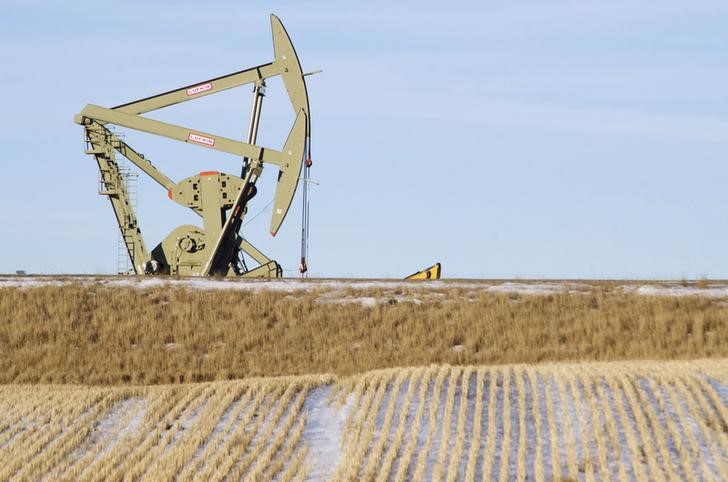
WTI crude futures jumped 3.4% to $106.40/bbl after reports that Iran struck a fully laden oil tanker in Dubai port, igniting a fire. The attack, combined with Houthi Red Sea strikes and a largely shut Strait of Hormuz (a passage for ~20% of global oil), raises supply-risk, increases shipping disruption potential, and is likely to sustain upside in energy prices and risk-off positioning (gold bid), implying elevated volatility for energy and related markets.
This shock is asymmetric: immediate shipping disruption increases physical freight demand and bunker consumption (longer voyages, re-routing around the Red Sea) which mechanically raises short-term tanker and bunker fuel economics faster than crude balances adjust. That creates a 2–8 week window where shipping rates and VLCC/AFRA time-charter equivalents can spike 30–150% while crude inventories move only gradually, favoring asset owners over marginal producers.
For oil price mechanics, the marginal supply response is US shale — it can ramp in 2–6 months but not enough to cap front-month volatility. Consequently, curve steepening (near-term backwardation) and stronger crack spreads for refiners with light-sweet access are likely for 1–3 months, improving near-term refining FCF while elevating refined product inflation transmission into CPI prints.
Macro second-order: higher energy-driven headline inflation raises the probability of policy rate persistence; central banks will face a tradeoff between growth and inflation that could compress risk assets for 1–3 quarters if the price shock persists. Conversely, clear signs of coordinated SPR releases, shipping insurance repricing or rapid diplomatic de-escalation are 1–6 week catalysts that would quickly reverse panic premia in freight and front-month oil.
Positioning should therefore be time-boxed and convex: capture short-term asymmetric moves in freight and upstream cash margins with defined-risk option structures, avoid long-dated outright directional oil exposure unless you have a view on sustained geopolitical escalation. Hedged pairs (energy producers vs shipping/logistics names) exploit the divergence between commodity upside and real-economy disruption which consensus often under-weights.
AI-powered research, real-time alerts, and portfolio analytics for institutional investors.
Request DemoOverall Sentiment
moderately negative
Sentiment Score
-0.60
