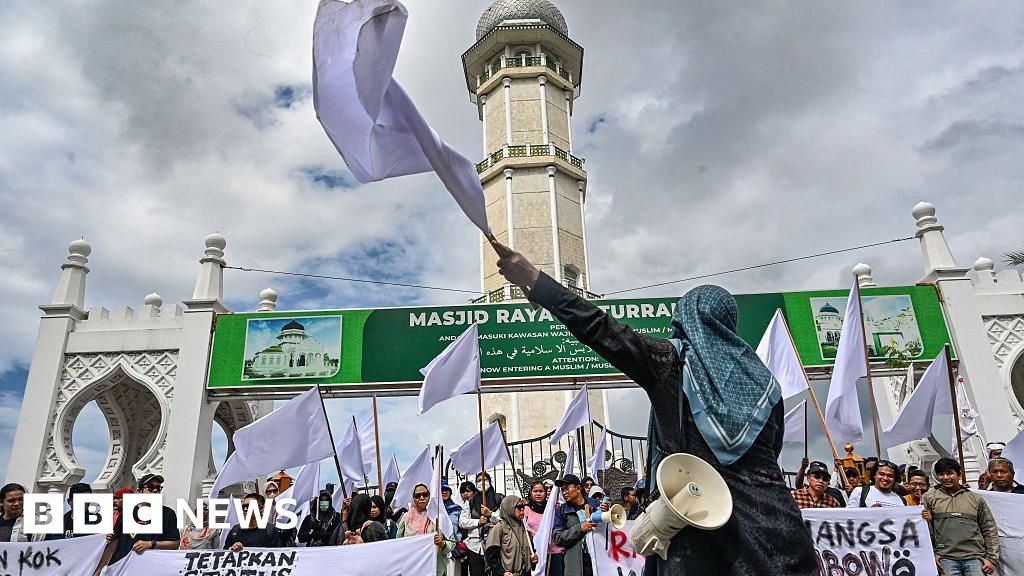
A rare November cyclone caused deadly floods across Sumatra that have killed more than 1,000 people and displaced hundreds of thousands, with Aceh the worst-hit province facing acute shortages of clean water, food, power and medical supplies. President Prabowo has refused foreign aid and declined to declare a national disaster even as the central government says it has disbursed 60 trillion rupiah (~$3.6bn) for reconstruction; the slow, politicized response and criticism over land-use (palm oil/deforestation) amplify domestic political risk and could dent investor confidence in Indonesia and weigh on reconstruction-sensitive sectors and regional recovery dynamics.
Market structure: The immediate winners are domestic construction and infrastructure contractors (state-owned WIKA.JK, PTPP.JK, SMGR.JK for cement, and heavy-equipment suppliers) due to multi-month reconstruction demand; losers are exporters tied to land-use expansion (AALI.JK, F34.SI) and local tourism/small-cap consumer names in Sumatra. Expect localized supply tightness for rice/clean-water logistics driving short-term commodity/transport spikes; IDR likely to weaken and 10y Indo sovereign yields to widen +25–75bp if markets price governance/fiscal concerns (2–6% IDR move range). Cross-asset: EMB/EM sovereign ETFs and Indonesia equity ETF EIDO are most correlated downside; reinsurance names see earnings volatility but not systemic shock.
Risk assessment: Tail risks include widening social unrest that triggers a fiscal hit >0.5–1.0% of GDP (forcing credit-rating watches) or delayed reconstruction causing prolonged humanitarian crises; foreign-aid refusal raises political risk premium. Time horizons: immediate (days) = logistics, FX knee-jerk; short-term (weeks–months) = budget reallocation, contractor award flows; long-term (quarters–years) = land-use regulation/palm-oil policy changes and higher capex in flood defenses. Hidden dependencies: palm-oil expansion links to flood severity and potential regulatory backlash; diaspora remittances and private NGOs could partially substitute official aid. Catalysts that could reverse trends: government acceptance of foreign aid within 30–90 days, or a sovereign rating action.
Trade implications: Direct plays — establish overweight (2–3% NAV each) in WIKA.JK and PTPP.JK for 3–12 month reconstruction upside; short AALI.JK and F34.SI (2% NAV each) anticipating regulatory/PR pressure on palm oil. Use options: buy 3-month EIDO puts (8–12% OTM) or a put spread to hedge Indonesia equity exposure; buy 3-month USD/IDR calls (or NDF long) if IDR moves >3% depreciative. Fixed income: buy 5y Indonesia CDS protection if spreads breach +25bp from current levels or initiate short EMB exposure (2–4% NAV) on >30bp sovereign widening.
Contrarian angles: Consensus assumes fast government-led recovery; that's likely underestimating benefits to SOE contractors and domestic procurement — construction SOEs may rerate before EIDO catches up. Reaction may be overdone on broad Indonesia risk while selective longs (contractors, cement) earn asymmetric returns; historical parallel: post-2004 Aceh drew rapid external aid, but this administration's aid refusal lengthens reconstruction and concentrates flows to onshore contractors. Unintended consequence: regulatory crackdowns on palm oil could lift global vegetable-oil prices, creating cross-commodity trades to explore.
AI-powered research, real-time alerts, and portfolio analytics for institutional investors.
Request DemoOverall Sentiment
strongly negative
Sentiment Score
-0.65
