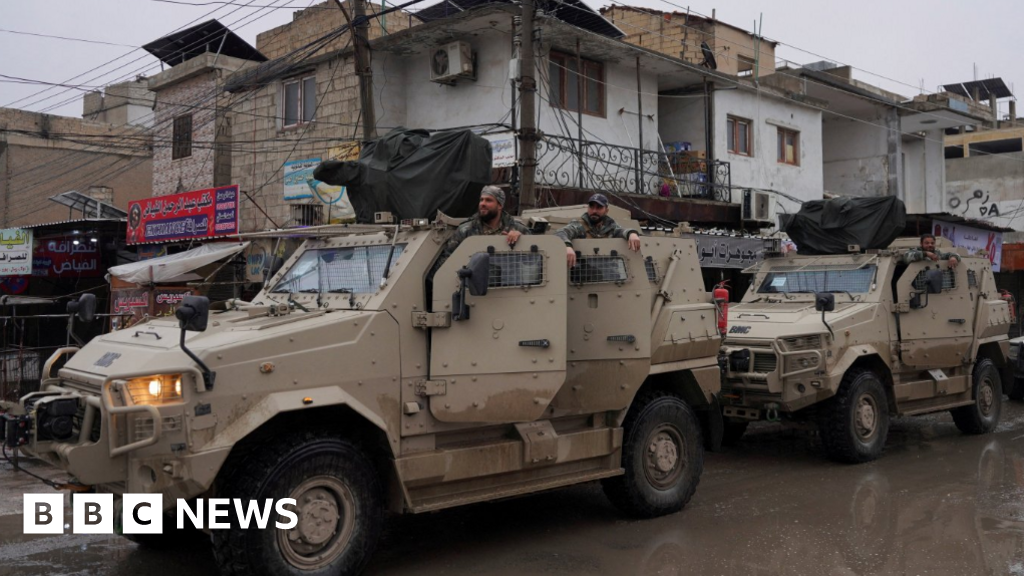
Syrian government forces have seized the Omar oil field—Syria's largest—and nearby gas fields after the US-backed Syrian Democratic Forces (SDF) withdrew east of the Euphrates, also yielding control of the Tabqa dam; monitors report SDF pullbacks from multiple towns and oil installations. The takeover removes a key revenue source from Kurdish control, heightens regional security risks (including reported bridge demolitions), and could disrupt local oil flows and infrastructure, raising a regional risk premium though with limited direct impact on global oil markets.
Market structure: Syrian government capture of Omar shifts local oil revenue and operational control to Damascus but has negligible direct impact on global supply (likely <0.1 mbpd; roughly 20–80 kbpd if fully restored). Winners are Syrian regime (near-term cash flow) and regional logistics/repair contractors; losers are the SDF and any counterparties relying on SDF-managed cashflows. At market level expect a modest risk-premium in Brent/ICE spreads and an idiosyncratic rise in MENA operational-services tender activity for 3–12 months.
Risk assessment: Tail risks include rapid escalation involving external actors (Turkey, Russia, US) that could create broader Red Sea/Levant chokepoint concerns — low probability but would add >$3–7/ bbl upside to Brent in 30 days. Immediate (days) impact is volatility spikes in oil and EM FX; short-term (weeks-months) sees asset re-pricing around EM credit and defense names; long-term (quarters-years) depends on Syria’s ability to monetize fields and rebuild infrastructure amid sanctions. Hidden dependency: US diplomatic posture and Russian military/logistics support will be the decisive variable for production restoration.
Trade implications: Tactical oil-volatility plays (short-dated call spreads) and selective overweight in defense contractors and oilfield-services firms with MENA exposure are favored for 1–6 months. Band-aid trades: hedge EM sovereign credit and EM FX exposure (buy protection or reduce duration) as risk-off widens spreads; avoid large directional bets on global oil prices given limited physical supply impact. Catalysts to watch: US-Russia diplomatic notes, SDF-Damascus implementation timeline, and bridge/transportation repair announcements within 30–90 days.
Contrarian angles: Consensus will overplay the supply impact; the market often confuses local control with durable shut-ins. Historical parallels (localized MENA skirmishes) show transient oil spikes that fade as logistics normalize; therefore long-dated bullish oil positions are likely overpriced. Consider shorting realized-volatility or taking profits on knee-jerk defense rallies once a 10–15% move occurs and implementation timelines (60–180 days) pass.
AI-powered research, real-time alerts, and portfolio analytics for institutional investors.
Request DemoOverall Sentiment
moderately negative
Sentiment Score
-0.40
