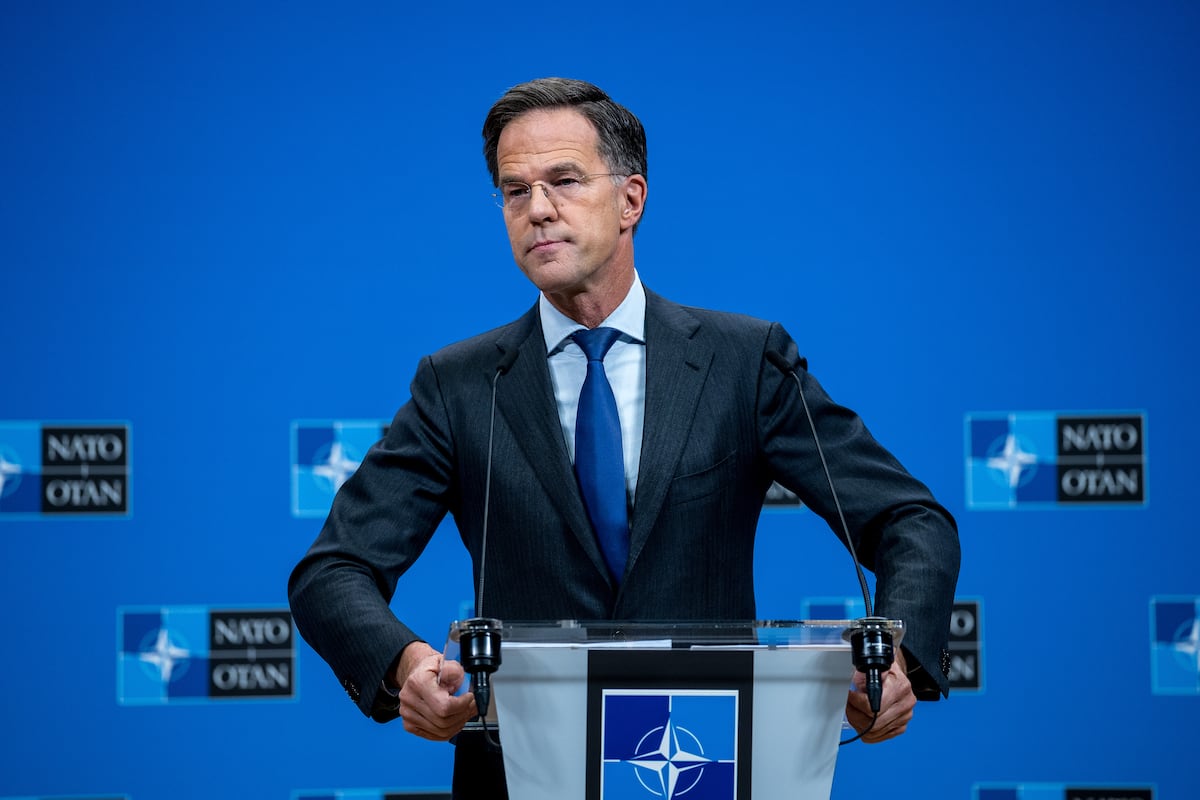
The NATO summit in The Hague is set to formalize a significant defense spending commitment, targeting 3.5% of GDP for core defense and an additional 1.5% for security infrastructure, largely to satisfy U.S. demands for increased burden-sharing. However, this ambition is tempered by European officials' private concerns over an anticipated U.S. force drawdown on the continent and America's shifting strategic focus amid new Russian offensives and recent U.S. strikes against Iran. This divergence signals a potential recalibration of European defense responsibilities and a lowered outlook for alliance-wide strategic alignment, influencing future defense sector investment and capability development among member states.
The NATO summit in The Hague is publicly centered on a landmark defense spending commitment, with members set to pledge 3.5% of GDP to core defense over ten years and an additional 1.5% to security-related infrastructure. This move is primarily a response to sustained pressure from the U.S. to increase burden-sharing. However, this headline commitment is overshadowed by significant underlying anxieties and strategic divergence. European officials privately express concern over an anticipated reduction of the 80,000 U.S. troops stationed in Europe, a move that would force the continent to fill substantial capability gaps. The credibility of the spending target is also being questioned, with the 1.5% infrastructure component raising fears of "creative accounting" and members like Spain reportedly seeking exemptions. This internal friction, combined with a U.S. strategic pivot away from Ukraine and towards China—further complicated by recent direct military strikes on Iran—has lowered expectations for the summit's outcomes. The broader context suggests a forced strategic reset for Europe in an environment of increasing U.S. unpredictability and escalating global conflicts, diminishing the alliance's focus on prior issues like Ukraine and China.
AI-powered research, real-time alerts, and portfolio analytics for institutional investors.
Request DemoOverall Sentiment
moderately negative
Sentiment Score
-0.45
