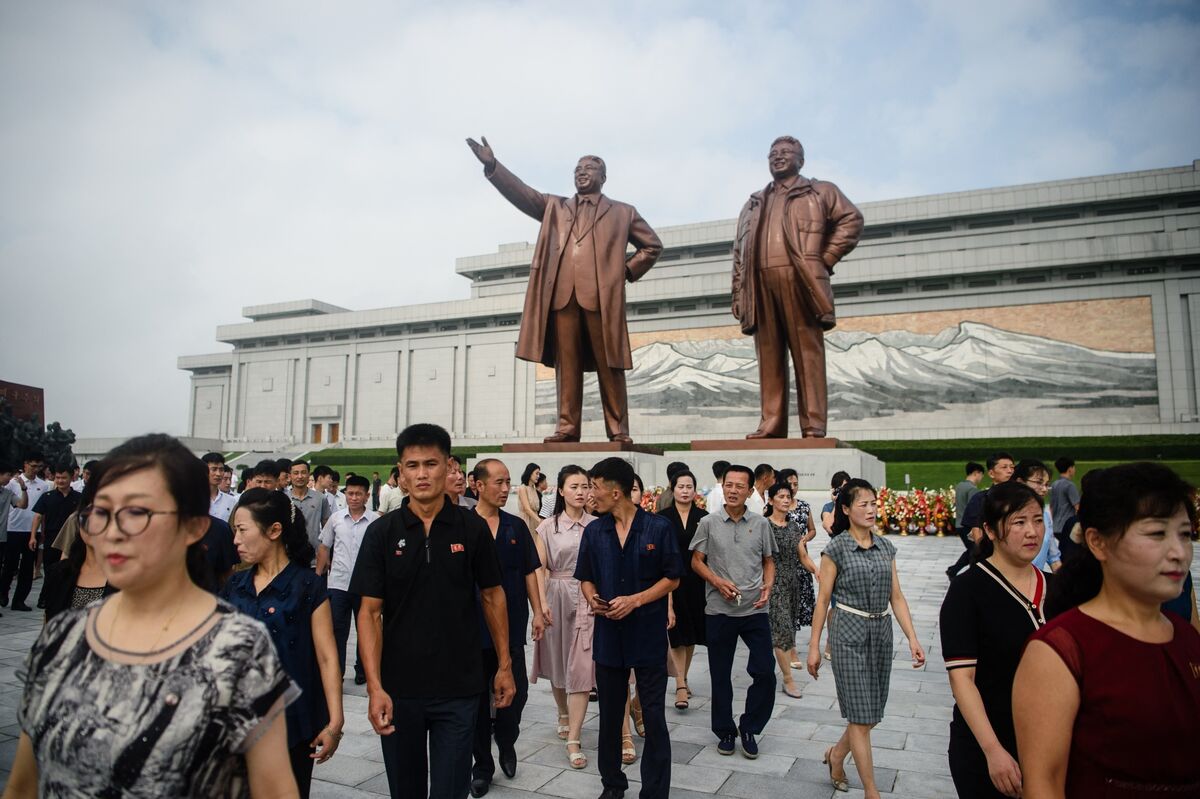
North Korea's economy expanded by 3.7% in 2024, marking its fastest growth since 2016, according to the Bank of Korea. This rebound, driven by gains in heavy industry and construction, extends a recovery from three years of contraction and is attributed to Kim Jong Un's deepening ties with Russia and increased trade with China, highlighting the economic impact of shifting geopolitical alignments for the isolated nation.
According to the Bank of Korea, North Korea's economy demonstrated significant resilience by expanding 3.7% in 2024, marking its most rapid growth rate since 2016 and extending a rebound that began in 2023. This growth, which brought the estimated real GDP to approximately $26.7 billion, was primarily driven by advancements in heavy industry and construction. The key catalyst for this economic upturn is identified as the deepening of geopolitical and trade relationships with Russia and China. This development suggests that Pyongyang's strategic alignment with Moscow and Beijing is successfully creating an economic buffer, potentially mitigating the impact of international sanctions and reversing a prior three-year period of contraction. While the positive sentiment score reflects the strong growth figure, the negligible market impact score of 0.1 underscores North Korea's continued isolation from global capital markets, positioning this news as a significant geopolitical indicator rather than a direct financial one.
AI-powered research, real-time alerts, and portfolio analytics for institutional investors.
Request DemoOverall Sentiment
strongly positive
Sentiment Score
0.65
