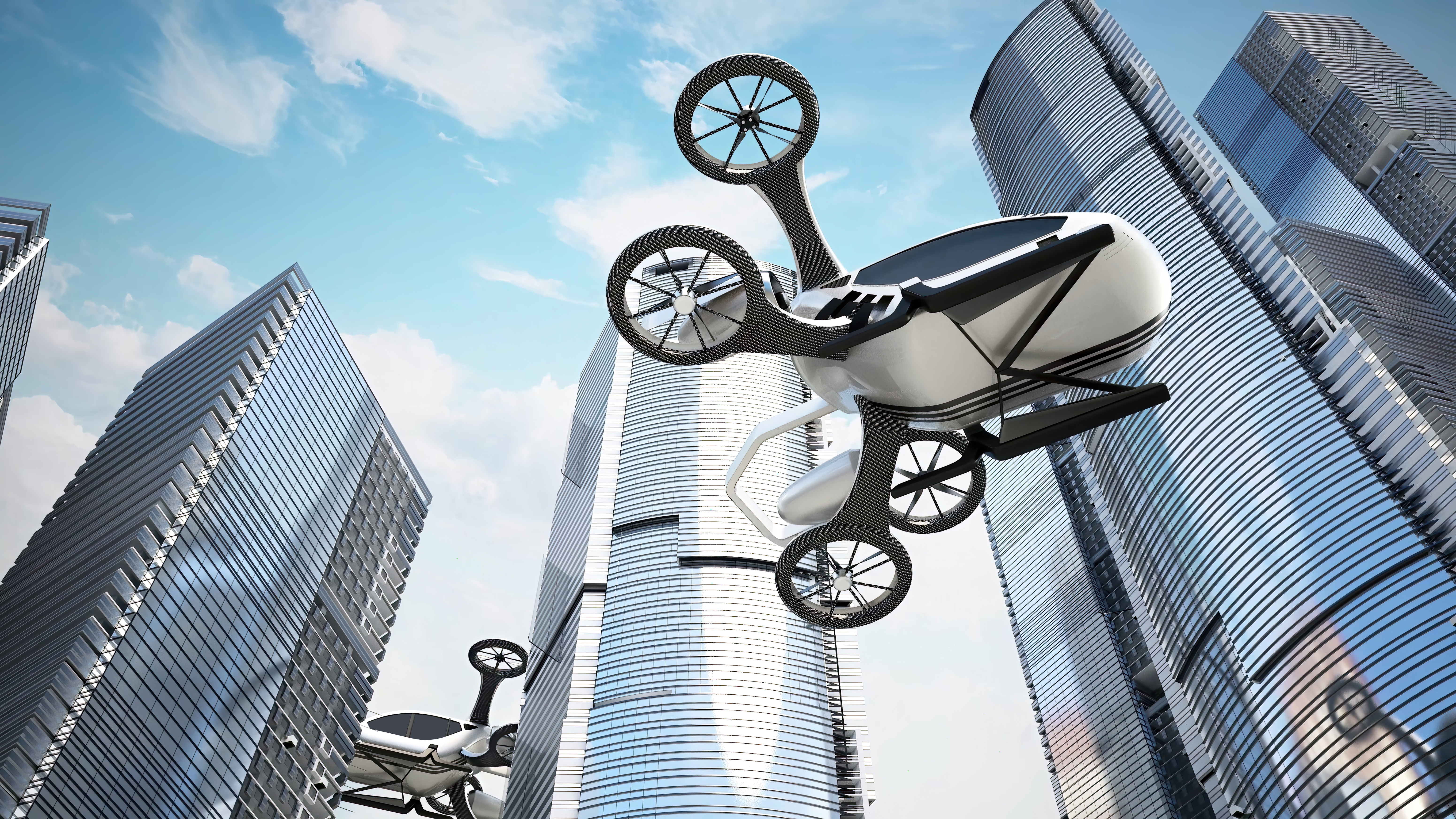
Archer Aviation (ACHR) is progressing as a frontrunner in the eVTOL market, having secured FAA Part 135 certification and established strategic partnerships with United Airlines, Stellantis, and the U.S. Air Force, which validate its commercialization efforts for its Midnight aircraft. However, despite targeting a potential multi-trillion-dollar urban air mobility market, the company currently generates no revenue, experiences significant cash burn (e.g., $198M operating cash flow in H1 2025), and faces an uncertain regulatory path, positioning it as a high-risk, speculative investment requiring substantial future capital to achieve scale.
When investors think about disruptive transportation, electric cars are often the first to come to mind. But another technology is starting to capture headlines: flying taxis. Archer Aviation (ACHR 13.21%) is one of the most prominent companies working to make this futuristic idea a reality. Backed by UnitedAirlines and Stellantis, Archer has gained enough momentum to attract attention across Wall Street. The company has not yet produced meaningful revenue, and the risks remain sky high. But recent progress suggests Archer deserves a closer look. What does Archer Aviation do? Archer designs and builds electric vertical takeoff and landing (eVTOL) aircraft. These battery-powered planes are designed for short trips of 20 miles, such as airport transfers or commutes from downtown to the suburbs. Its flagship aircraft, Midnight, can carry four passengers plus a pilot. Archer plans to operate an air taxi network in partnership with airlines, rideshare platforms, and governments. Unlike a traditional aerospace business that primarily sells planes, Archer aims to generate recurring revenue by running the service itself. Investors can think of its long-term aim as becoming the Uber of the sky. It also aims to sell aircraft to third parties selectively -- United Airlines and the U.S. Air Force are two parties that have agreed to buy the aircraft from Archer. The potential market is enormous. Morgan Stanley estimates that urban air mobility could become a $1-trillion market by 2040, with further growth to $9 trillion by 2050. While these numbers remain predictions for now, they do indicate the massive potential ahead. Archer does not need to dominate the sector to carve out a valuable business. It just needs to make sure it remains one of the key players. NYSE: ACHR Key Data Points Reaching key milestones Archer has not yet reached commercialization, but it has delivered progress that lends it more credibility than many of its early stage peers. - FAA certification: Archer secured its Part 135 Air Carrier Certificate from the Federal Aviation Administration. The certification allows the company to operate aircraft commercially to refine its systems and procedures. While it still requires full type certification for Midnight, this milestone indicates that Archer is progressing along the regulatory path. - Partnerships with global leaders: United Airlines placed a provisional order for up to 200 Midnight aircraft. That deal demonstrates clear demand from a top airline if Archer executes. Automaker Stellantis is helping Archer build its Georgia factory, offering scale and manufacturing expertise. Both partnerships give Archer legitimacy and resources that most startups lack. - Military validation: The U.S. Air Force signed agreements with Archer to test defense applications. This deal validates the development and commercialization of eVTOL technology under strict military standards. Each of these milestones reduces risk and shows that Archer is building momentum toward commercialization. However, there are risks that investors cannot afford to ignore While there are many positive developments for Archer, investors should acknowledge that investing in this industrial company remains a speculative endeavor. First, the company has zero revenue yet spends hundreds of millions of dollars to get the aircraft to commercialization. In the first six months of 2025, the company used $198 million in operating cash flow and an additional $34 million in investing cash flow. The company reported $1.7 billion in cash and cash equivalents at the end of June 2025, which should cover its operations for the next three years -- assuming there's no increase in burn rate. However, scaling up production and launching a commercial service will require significantly more capital. Archer will likely raise additional funds through debt or equity down the road. The regulatory path also carries uncertainty. The FAA has never certified an eVTOL aircraft. Any delay in Midnight's approval could push Archer's launch well past its target. In a way, Archer's stock represents a binary bet: Either the company clears the regulatory and technical hurdles to become a leader, or it fails to reach scale before its cash runs out. What does it mean for investors? Archer Aviation has positioned itself as a frontrunner in the race to launch flying taxis. Its partnerships with United Airlines, Stellantis, and the U.S. Air Force provide credibility and resources. At the same time, its progress on certification and manufacturing shows that the company is advancing beyond the concept stage. At the same time, Archer faces long odds. With no revenue, a significant cash burn, and an uncertain regulatory path, the company's future remains uncertain. For investors with a long horizon and tolerance for volatility, Archer represents a fascinating dark horse in a potentially massive new industry. For most investors, however, the smarter move is to keep Archer on the watchlist until its Midnight aircraft -- and its business model -- truly take flight. Archer Aviation (ACHR) is positioning itself as a key contender in the speculative but potentially vast urban air mobility market, which Morgan Stanley estimates could reach $1 trillion by 2040. The company has achieved critical de-risking milestones that lend it credibility over early-stage peers, notably securing an FAA Part 135 Air Carrier Certificate, which allows it to refine commercial operations pending full type certification for its 'Midnight' eVTOL aircraft. Strategic partnerships provide significant validation and operational leverage: a provisional order for up to 200 aircraft from United Airlines signals commercial demand, manufacturing expertise from Stellantis aids in scaling production at its Georgia factory, and agreements with the U.S. Air Force validate the technology under stringent standards. However, these positive developments are counterbalanced by substantial financial and regulatory risks. Archer remains a pre-revenue entity with a significant cash burn, having used $198 million in operating cash flow in the first half of 2025. While its $1.7 billion cash position provides a runway of approximately three years at the current burn rate, the company explicitly faces the need to raise significant additional capital to scale production, implying future shareholder dilution or debt. The primary hurdle remains the unprecedented nature of full FAA type certification for an eVTOL, making the commercial launch timeline uncertain and presenting a binary risk profile for the investment.
AI-powered research, real-time alerts, and portfolio analytics for institutional investors.
Request DemoOverall Sentiment
mixed
Sentiment Score
0.10
Ticker Sentiment
