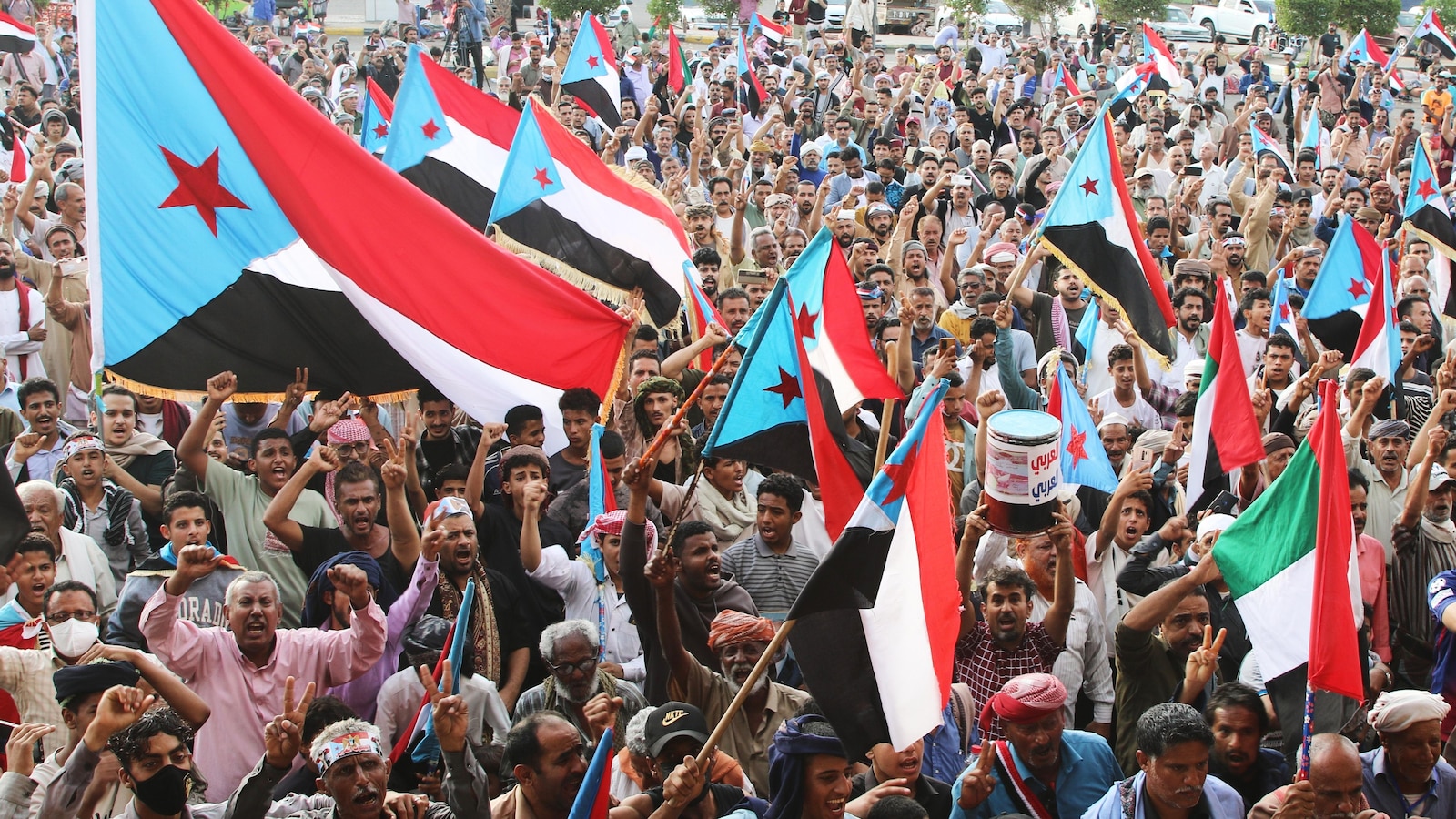
Saudi warplanes struck Southern Transitional Council positions around Mukalla and elsewhere in Hadramout as Riyadh moves to roll back the UAE-backed separatists; an STC-linked official said over 100 airstrikes hit multiple locations in 24 hours and clashes killed at least eight. The strikes targeted the Barshid Brigade camp on the route to Aden and reportedly hit infrastructure including Seiyun airport, coming after the STC declared a southern constitution and seized Hadramout, Mahra and an oil-rich region last month. The confrontation, and the UAE's announced troop withdrawal, exacerbates fractures within the anti-Houthi coalition and raises short-term risks to regional stability, Red Sea transit and energy supply sentiment.
Market structure: Immediate winners are oil producers (integrated majors) and defense contractors; losers are regional ports/airlines, Yemeni-linked logistics and EM credit sensitive to Gulf instability. If Bab al-Mandeb or Red Sea routes are intermittently threatened, shipping insurance premia and freight rates can rise 20–100% within weeks, transferring margin to shipowners/insurers and raising delivered energy/commodity costs by a few dollars per barrel or several percent on containerized goods.
Risk assessment: Near-term (days) the event is a localized Saudi-STC escalation with low immediate global supply shock probability; short-term (weeks–3 months) assign a 10–20% chance of meaningful Red Sea disruption that lifts Brent $3–8/bbl and pushes war-risk insurance spikes; long-term (6–24 months) a persistent Saudi–UAE rift could impair OPEC+ coordination, raising structural price volatility. Hidden dependencies include UAE troop withdrawal reducing on‑ground de‑escalation capacity and Houthi reprisals against shipping; catalysts are Riyadh’s proposed conference (30–60 days) and any Houthi interdiction of commercial traffic.
Trade implications: Tactical: bid energy and defense while hedging with sovereign/EM shorts and rates exposure. Cross-asset flows favor USD and long-duration Treasuries (risk-off), higher implied vol in oil/shipping names, and underperformance in MENA equities/airlines; act within 3–10 days for tactical entry and re-evaluate at 30–90 day catalyst windows.
Contrarian angle: Markets may overprice a sustained oil shock because Saudi spare capacity and UAE crude streams blunt outages; defense names may already reflect a premium—use defined-cost option spreads to avoid paying for fully priced tail risk. Historical parallels (localized Gulf skirmishes) show oil spikes fade in 6–12 weeks absent chokepoint closure, so favor time‑limited convex exposure not outright long equities without hedges.
AI-powered research, real-time alerts, and portfolio analytics for institutional investors.
Request DemoOverall Sentiment
moderately negative
Sentiment Score
-0.45
