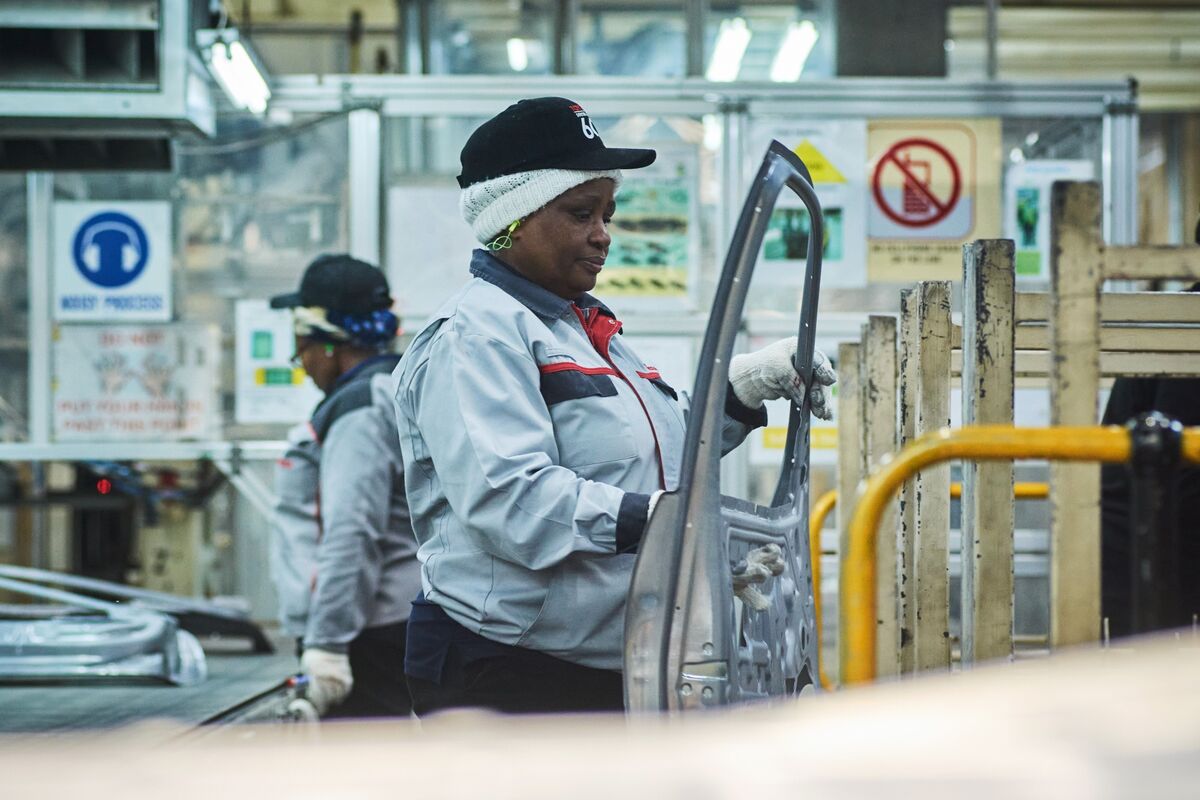
South Africa's automotive sector faces potential disruption as the National Union of Metalworkers of South Africa demands a 10% wage increase from key manufacturers, including local units of BMW, Toyota, and Ford, ahead of three-year pay negotiations. A potential deadlock threatens to shut down an industry accounting for over a fifth of the nation's manufacturing output, posing a significant risk to the already struggling South African economy.
The South African automotive sector, which accounts for over one-fifth of the nation's manufacturing output, faces significant operational risk from impending labor negotiations. The National Union of Metalworkers of South Africa has issued a demand for a 10% wage increase ahead of three-year pay talks, creating a potential for deadlock with major employers including the local units of BMW (BMWYY), Toyota (TM), and Ford (F). A failure to reach an agreement could trigger a shutdown of the industry, directly threatening production continuity and cost structures for these global automakers in the region. This development compounds existing pressures, including potential tariffs mentioned in the article's headline, and poses a material threat to South Africa's already moribund economy, an outlook reflected in the strongly negative sentiment score (-0.7).
AI-powered research, real-time alerts, and portfolio analytics for institutional investors.
Request DemoOverall Sentiment
strongly negative
Sentiment Score
-0.70
Ticker Sentiment
