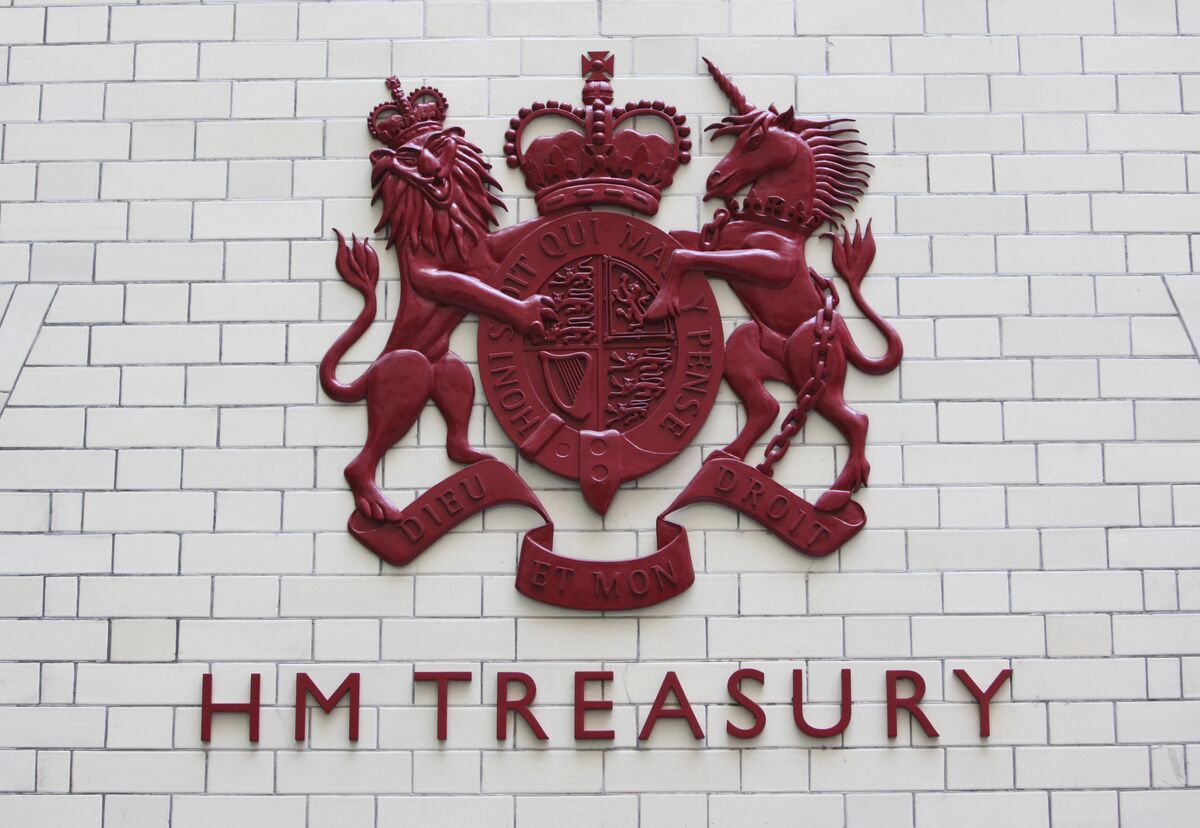
The UK's Office for Budget Responsibility complained to senior Treasury officials about media leaks detailing its forecasts in the run-up to last week’s budget, with OBR head of economic analysis David Miles telling lawmakers the stories “were not helpful” and the watchdog was not in a position to correct them. The episode risks undermining the credibility and confidentiality of fiscal forecasts and complicating government messaging around the budget, a governance concern that could modestly weigh on market confidence in UK fiscal policy communication.
Market structure: The leak undermines fiscal credibility and favors safe-haven sovereign credit (Bunds, USTs) and FX shorts on GBP; immediate winners are offshore buyers of non-UK sovereigns and derivative liquidity providers, losers are long-duration gilts and domestically focused UK financials. Price discovery may become disorderly around gilt auctions — expect higher term premium and intra-day volatility spikes of 20–75bp on 10y gilts if uncertainty persists over 2–8 weeks.
Risk assessment: Tail risks include a self-reinforcing gilt sell-off forcing emergency Treasury/BoE action or triggering CDS-priced stress (low-probability, high-impact: 100–200bp move in long yields). Near-term (days) sees volatility around official statements; short-term (weeks) outcome hinges on audit/clarification from Treasury; long-term (quarters) risk is a structurally higher UK sovereign risk premium (+50–100bp) if credibility erosion continues into the election cycle.
Trade implications: Tactical trades should target gilt yield upside and GBP downside: short long-dated gilts and buy GBP puts, hedge with Bunds or USTs; rotate portfolio away from domestically exposed banks (HSBA.L, BARC.L, LLOY.L) and toward large exporters (ULVR.L, RIO.L, FTSE 100 exporters) that benefit from a weaker pound. Volatility trades (1–3 month gilt options or CDS protection) are preferred to directional positions given event uncertainty; size 0.5–2% risk per idea and use tight triggers.
Contrarian angles: Markets may overshoot — if Treasury/OBR coordinate a rapid clarification or BoE signals backstop, gilt yields could mean-revert 30–60bp within 4–8 weeks, creating a buy-the-dip opportunity in 5–10y gilts. The consensus misses the dependency on Bank of England reaction and foreign-holder behaviour; plan entry rules (buy after >50bp spike) rather than blind shorts or longs.
AI-powered research, real-time alerts, and portfolio analytics for institutional investors.
Request DemoOverall Sentiment
mildly negative
Sentiment Score
-0.25
