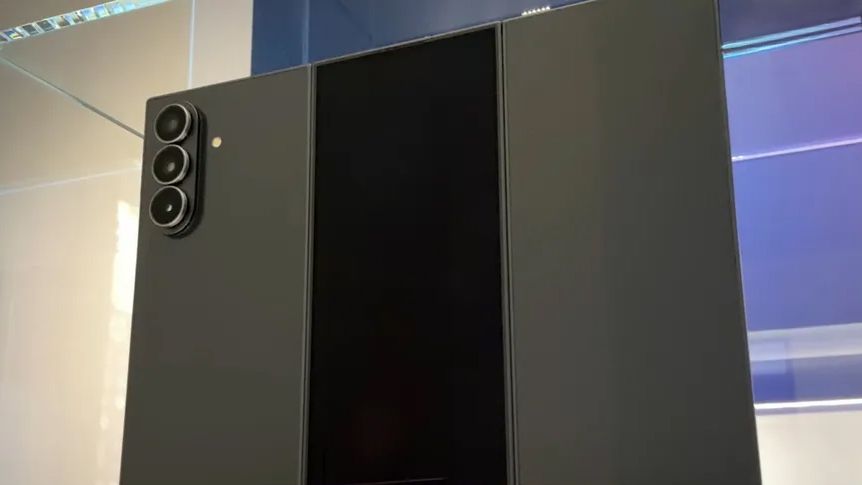
A Korean leak suggests Samsung will price its unannounced Galaxy Z TriFold at about 3.6 million won (~$2,446) versus earlier estimates of 4 million won, with a reported launch on December 5 in Korea. The tri-fold device is expected to feature a ~10-inch three-panel design, Snapdragon 8 Elite chipset and the 200MP camera from the Z Fold 7, but may face criticism for not using the newest chip and is likely to be produced in limited quantities with unclear global availability, factors that could cap near-term revenue upside despite a more consumer-friendly price point.
Market structure: A ~$2.45k price point for a Samsung tri-fold widens the premium foldable TAM without crushing Fold 7 pricing power; near-term winners are Samsung Electronics (005930.KS / SSNLF) and display suppliers (LG Display 034220.KS, Samsung Display internally) while low-volume, niche makers and lower-end Android OEMs may see reduced marginal demand. Restricted production and regional-first rollouts imply upside to ASP/margins per unit but limited volume amplification in FY24–FY25, so revenue shock to Samsung is likely <2–3% of consolidated sales in first year absent global scale-up.
Risk assessment: Tail risks include failed reviews (older Snapdragon 8 Elite vs Gen5), supply hiccups, or China/Korea regional restrictions causing inventory gluts — a negative surprise could knock 5–12% off supplier names in weeks. Immediate (days) impact is likely volatility around the Dec 5 announcement; short-term (weeks–months) sales guidance and reviews will set direction; long-term (quarters) adoption depends on price declines toward <$2k and production scale. Hidden dependency: component parity (SoC, 200MP sensor) and hinge yield rates drive gross margins and return rates far more than headline price.
Trade implications: Tactical direct play is measured long in Samsung equity or call spreads ahead of Dec 5 to capture positive surprise plus a supplier basket (LG Display, GLW). Use short-dated option structures to exploit event volatility (buy-call spreads 4–12 weeks; sell premium only if implied vol > historical by >30%). Pair trades: long Samsung/display suppliers vs short small-cap foldable knock-offs or commoditized component makers where volume risk is highest.
Contrarian angles: Consensus underestimates that limited-run, high-ASP models can lift blended smartphone ASPs and margins even with small unit counts — this supports a modest re-rate for display and premium OEM exposure if adoption edges toward 200k+ units/year. Conversely, the market may underprice reputational risk from old SoC timing; a negative review cycle could create 15–25% dislocations in suppliers and a buying opportunity for long-term exposure once guidance is reset, similar to Galaxy Fold's 2019–2021 recovery pattern.
AI-powered research, real-time alerts, and portfolio analytics for institutional investors.
Request DemoOverall Sentiment
mildly positive
Sentiment Score
0.22
