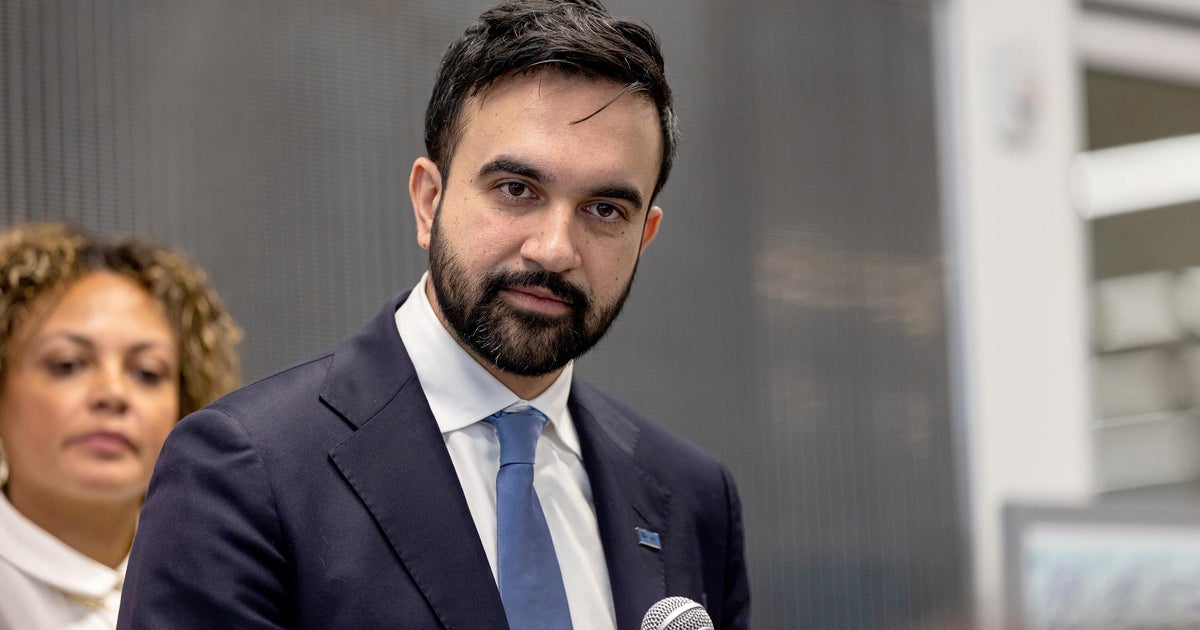
New York City Mayor Zohran Mamdani says he closed a more than $12 billion budget gap, balancing the city budget with $4 billion in Albany aid and about $1.77 billion in savings, while avoiding a 9% property tax hike. The $124.7 billion proposal instead leans on higher taxes for the rich, a proposed pied-à-terre tax expected to raise $500 million annually, and a $100 million luxury-apartment sales tax under consideration. The package also includes funding for education, NYCHA repairs, libraries, parks, and cultural institutions, though critics warn the tax strategy could pressure the city’s tax base.
The immediate market read is not about NYC fiscal solvency; it is about whether this marks a credible turning point in the city/state compact or merely postpones the bill. By substituting one-off Albany support and vacancy savings for recurring base growth, the administration has improved near-term optics while leaving structural revenue sensitivity to high-income earners unchanged. That means the real risk is not the current budget gap, but a slower deterioration in the marginal tax base if finance, real estate, and legal firms conclude policy volatility is rising faster than safety or service quality improvements.
Second-order effects matter more than the headline tax rhetoric. A pied-à-terre levy and tighter treatment of luxury housing are modest in dollar terms, but they target the signaling layer that drives affluent household behavior and transaction velocity; even a small drop in upper-end turnover can pressure brokers, title, renovation, and furnishings activity well beyond the direct tax yield. If transaction volume softens for 2-3 quarters, the city could see a negative feedback loop: weaker transfer taxes and slower related spending reduce the very cushion the budget is leaning on.
For the media side, the cleanest exposure is not obvious from the policy itself but from the conflict-driven engagement cycle. The article’s framing is highly personalized and political, which tends to lift local-TV and radio attention in the short run, but that is a duration trade rather than a fundamental growth thesis. Over months, however, if the tax debate escalates into a broader national symbol, it can create sustained audience spikes for outlet owners with New York distribution and political-news inventory.
The contrarian view is that markets may be overestimating corporate flight risk and underestimating how much of the city’s tax base is effectively immobile in the medium term. The more likely near-term outcome is not an exodus, but a pause in incremental hiring, real estate transactions, and discretionary capex while firms wait for clarity. That makes the next catalyst sequence important: Albany implementation details, any proof of reduced luxury deal volume, and whether higher-income households actually change residency patterns over the next 6-12 months.
AI-powered research, real-time alerts, and portfolio analytics for institutional investors.
Request DemoOverall Sentiment
neutral
Sentiment Score
0.10
Ticker Sentiment
