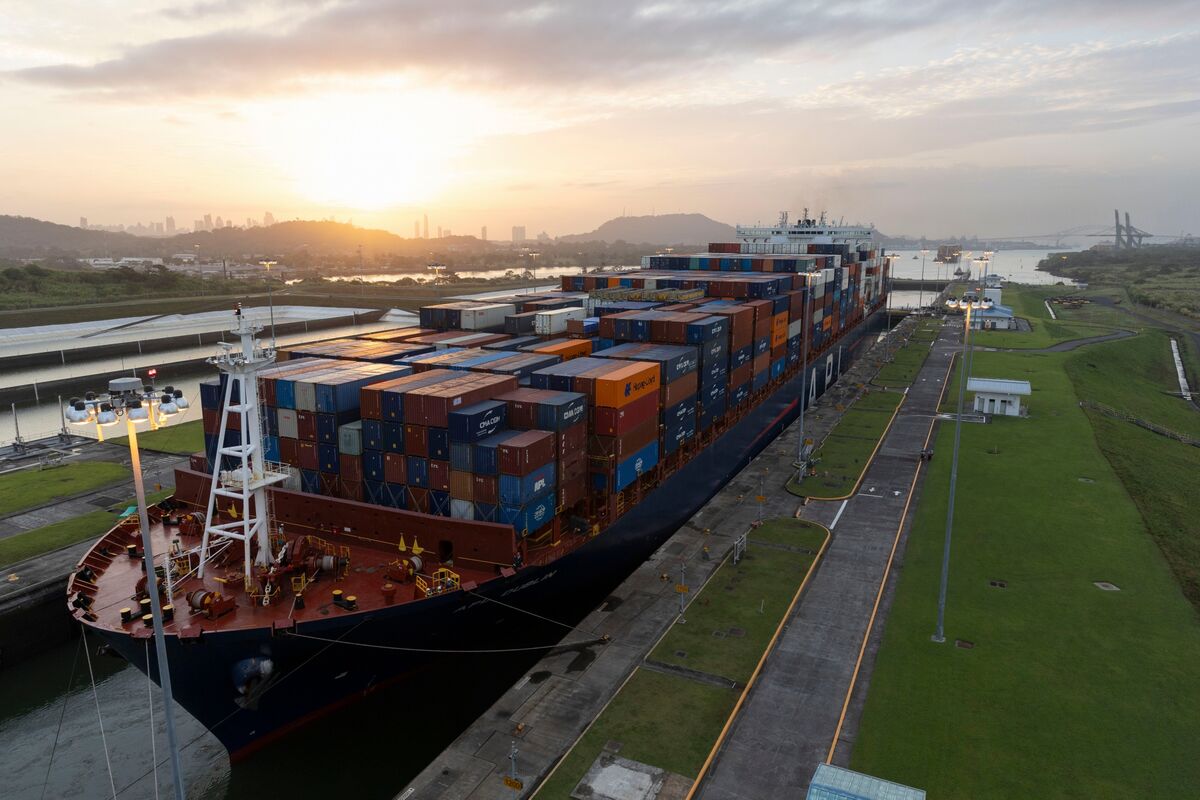
The Panama Canal Authority has introduced a more flexible booking system, allowing shippers to reserve passage in six-month blocks instead of annual commitments. This change aims to enable companies to better align transit schedules with evolving market conditions, including shifting cargo volumes and seasonal demand, thereby enhancing operational adaptability and supply chain efficiency for global logistics.
The Panama Canal Authority is implementing a more flexible booking system, shifting from annual commitments to six-month blocks for passage reservations. This change is designed to grant shippers greater operational agility to respond to fluctuating market dynamics, including shifts in cargo volumes, seasonal demand patterns, and strategic fleet adjustments. While this is a structural improvement for the global logistics and transportation sectors, enhancing supply chain efficiency for users of the waterway, its immediate market impact is considered low, as indicated by an impact score of 0.3. The move reflects an effort by the authority to better align its services with the needs of a volatile global trade environment, representing a moderately positive but incremental enhancement rather than a significant market catalyst.
AI-powered research, real-time alerts, and portfolio analytics for institutional investors.
Request DemoOverall Sentiment
moderately positive
Sentiment Score
0.60
