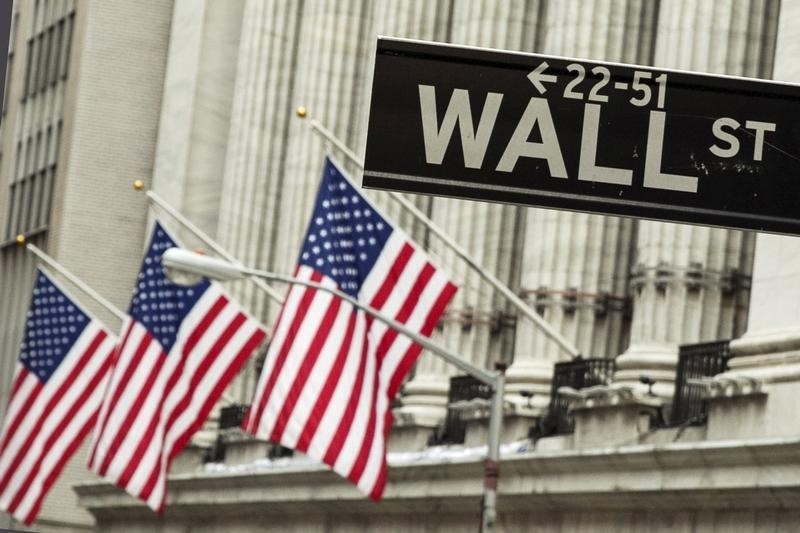
Trump said U.S. forces will leave Iran in 2–3 weeks and will not press to reopen the Strait of Hormuz; equities rallied with the S&P 500 up 2.9%, Nasdaq +3.8% and Dow +2.5% on Tuesday, while S&P 500 futures rose 0.3%. Oil traded around $104/bbl as Iran floated a toll system for Hormuz that could keep prices elevated despite de‑escalation. Tech led gains on heavy bargain buying after March losses, supporting a month‑end risk‑on move, but the unresolved status of Hormuz leaves commodity and shipping risks intact.
The likely persistence of a partially closed Strait of Hormuz or a new “maritime regime” creates a structurally higher marginal cost for seaborne crude: rerouting around the Cape adds ~8–12 days transit and an implied $2–4/bbl in voyage fuel + time value, while incremental war-risk insurance can add another $1–3/bbl to delivered cost. That $3–7/bbl wedge is asymmetric — it shows up immediately in spot TTF/Brent spreads and tanker time-charter rates but only trickles into refinery throughput decisions over 4–12 weeks as refiners digest differentials and crude swaps.
US independent producers are the marginal supply responders; at $100+/bbl, incremental free cash flow conversion for shale names increases markedly within 2–6 quarters because most cash returns come from lower-variable-cost wells already drilled. Conversely, refiners and integrated downstream names face a two-way squeeze: light/heavy spreads and logistics chokepoints can flip gasoline/crack economics within a single refinery cycle (2–6 weeks), producing outsized margin dispersion across regions.
Market positioning is fragile: the recent risk-on bounce was driven by relief flows and month-end rebalancing, not structural de-risking — volatility is likely to mean-revert if any maritime incidents or sudden policy shifts occur. Watch liquidity in Brent/WTI front months and options skew: a small real-world shipping disruption could push implied vols +30–50% within 48 hours, creating transient but severe repricing opportunities.
Key catalysts to watch over the next 2–12 weeks are concrete changes to shipping access (any bilateral corridor deal), large SPR releases or coordinated strategic oil sales, and tactical maritime incidents; a renewed kinetic event or a Tehran-imposed toll enforcement could move Brent $8–15/bbl in days, reversing the current rally.
AI-powered research, real-time alerts, and portfolio analytics for institutional investors.
Request DemoOverall Sentiment
moderately positive
Sentiment Score
0.45
