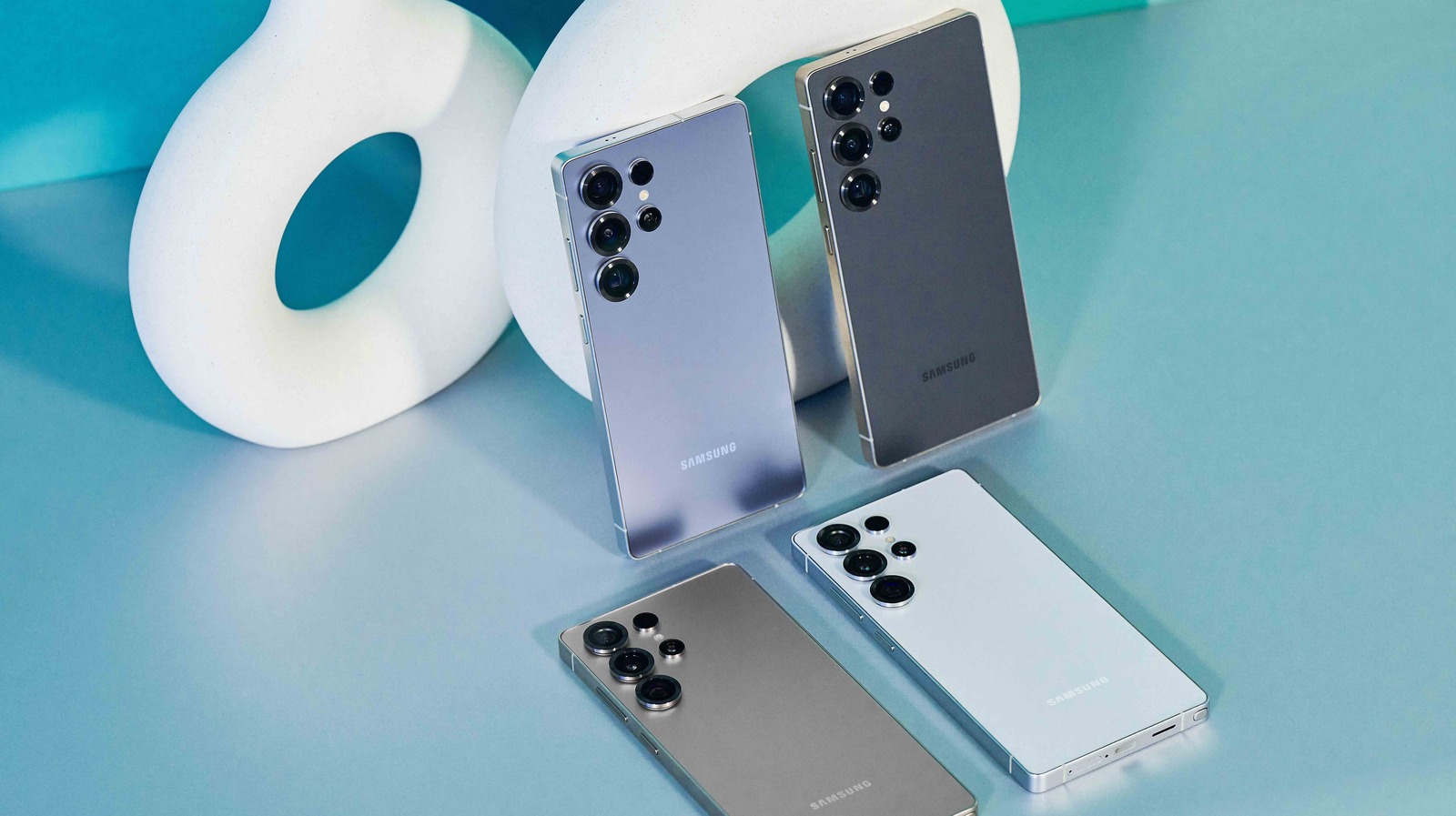
Five Android flagships — OnePlus 15, ZTE Nubia Red Magic 11 Pro, iQOO 15, Vivo X300 Pro and OPPO Find X9 Pro — are presented as outperforming the Samsung Galaxy S25 Ultra on benchmarks, thermal management and charging/battery specs. Key metrics cited include OnePlus 15 AnTuTu 3,690,929 vs S25 Ultra 2,731,492, iQOO 15 AnTuTu 3,778,286, and Geekbench advantages for several models; battery/charging examples include 7,300–7,500 mAh packs and up to 120W wired charging. For investors, the piece signals competitive product-level pressure on Samsung's flagship positioning in non‑U.S. markets rather than immediate financial or revenue impacts given many rivals' limited regional availability.
Market structure: Premium Android performance arms-race benefits chipset and battery suppliers more than legacy OEMs — Qualcomm (QCOM) is a primary beneficiary because Snapdragon 8 Elite Gen5 powers multiple flagships (OnePlus, Red Magic, iQOO), giving QCOM potential upside to ASPs and wafer demand over the next 3–12 months. MediaTek/Dimensity wins share via Vivo/OPPO in select models, so expect a two-horse race in China/EMs that pressures OEM pricing power but raises total content per device (higher SoC, larger batteries ~7,300–7,500 mAh). Battery-metal and cell makers see incremental demand (lithium/copper) if these large-battery phones scale beyond early adopter volumes.
Risk assessment: Tail risks include US export controls or TSMC capacity constraints that could reduce Gen5 supply (low-probability, high-impact); regulatory antitrust against Qualcomm licensing or Chinese OEM sanctions could cut revenue >10% in a quarter. Near-term (days–weeks) stock moves will track shipment/FCC news; medium term (3–9 months) depends on sell-through and holiday demand; long term (12–24 months) depends on sustained design wins and OEM distribution in the US/EU. Hidden dependency: many high-performance devices rely on advanced foundry capacity (TSMC) and Android OEM distribution deals — losing either is asymmetric downside.
Trade implications: Favor concentrated longs in chipset and foundry exposure (QCOM, TSM) and selective battery-metal exposure (LIT or ALB) with tight risk controls; use 3–6 month call spreads on QCOM around earnings to capture adoption while capping premium. Relative-value: long QCOM vs short a marginal reseller/exchange-exposed name (EBAY) or short small OEMs that lack US distribution; size trades small (1–3% NAV) and scale with sell-through data. Time entries into next 2–6 weeks around shipment/earnings catalysts; trim if implied volatility rises >30% or guidance weakens.
Contrarian angles: Consensus focuses on flagship comparisons but misses structural increases in per-device content (bigger batteries, active cooling, USB4.1) that raise component revenues more than unit growth — this underappreciates suppliers. The market may underprice the risk that MediaTek gains sustained share in China; a mispriced opportunity is buying QCOM into pullbacks of 8–12% while hedging with cheap puts. Historical parallel: 2019–2021 mobile ARMs cycle where component winners outperformed OEMs by 15–40% over 12 months; outcome could repeat if design wins convert to volume.
AI-powered research, real-time alerts, and portfolio analytics for institutional investors.
Request DemoOverall Sentiment
neutral
Sentiment Score
0.12
Ticker Sentiment
