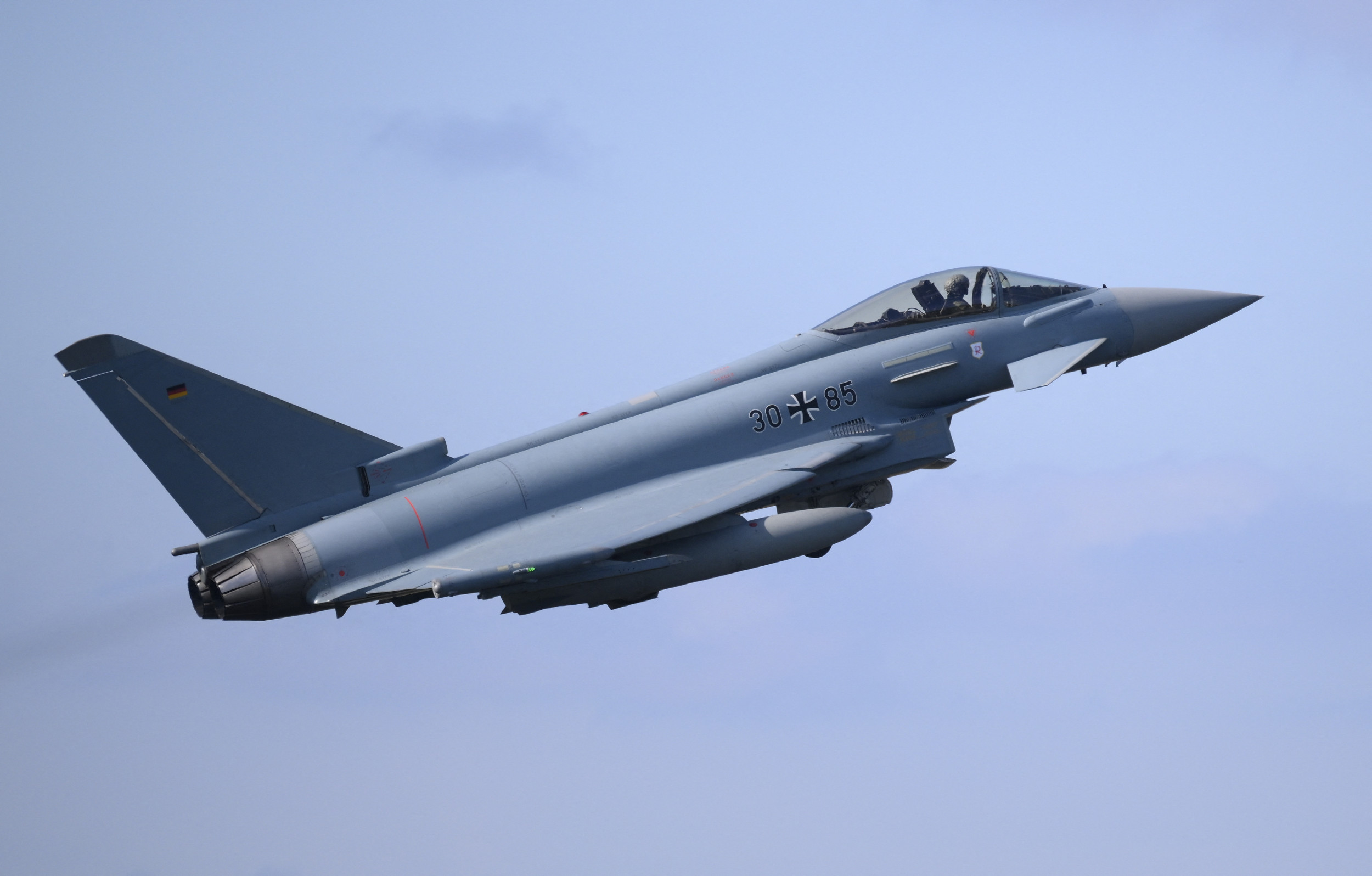
Germany's Foreign Office has accused the Chinese military of targeting one of its aircraft with a laser during the EU's Operation ASPIDES, a maritime security mission in the Red Sea aimed at protecting international shipping from Houthi attacks. The incident, occurring near a Chinese frigate, prompted Germany to summon China's ambassador, escalating diplomatic tensions. This event highlights growing geopolitical friction and concerns over maritime security in critical global trade arteries, posing potential implications for supply chain stability and regional risk assessments for institutional investors.
Germany's accusation that the Chinese military targeted a German aircraft with a laser introduces a significant new dimension of geopolitical risk to the already volatile Red Sea region. The incident occurred within the context of the EU's Operation ASPIDES, a mission designed to secure international shipping routes against Houthi attacks, indicating a direct clash of interests between major global powers in a critical maritime chokepoint. While the immediate damage is reportedly under investigation, the diplomatic escalation, marked by Germany summoning the Chinese ambassador, signals a serious deterioration in Sino-European relations. This event layers sovereign military risk on top of the existing non-state actor threat, creating heightened uncertainty for maritime trade. For investors, this transforms the regional risk calculus from one of managing asymmetric threats to one that now includes the potential for direct confrontation between state navies, with direct implications for supply chain stability, insurance costs, and the security of global trade flows between Europe and Asia.
AI-powered research, real-time alerts, and portfolio analytics for institutional investors.
Request DemoOverall Sentiment
moderately negative
Sentiment Score
-0.50
