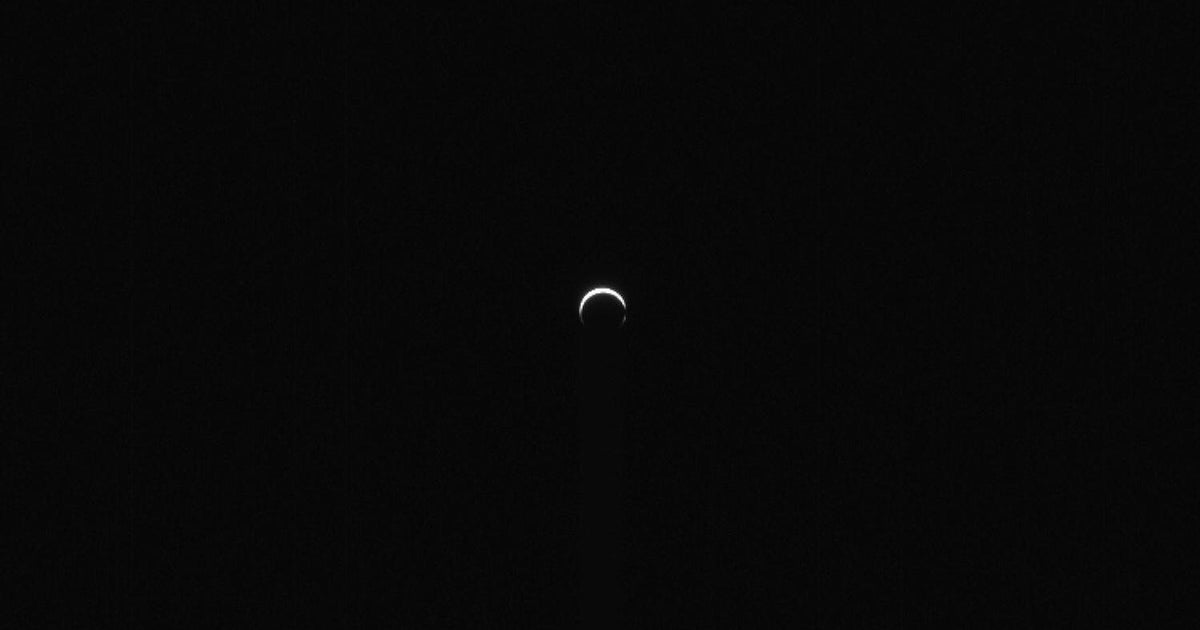
NASA's Psyche spacecraft will fly within 2,800 miles of Mars on Friday at about 12,333 mph to use the planet's gravity for a trajectory boost on its way to the metal-rich asteroid Psyche. The assist is intended to save propellant and support a mission expected to begin orbiting the asteroid at the end of 2029, with science operations to follow for about two years. This is a routine mission update with limited near-term market relevance.
This is not an investable event by itself, but it is a useful read-through on deep-space mission execution, which remains a long-duration validation point for the industrial base that supports NASA-class programs. The economic signal is less about the probe than about the continued willingness of public-sector customers to fund multi-year, high-complexity space systems, which supports a backlog thesis for prime contractors, avionics suppliers, and propulsion specialists rather than headline-space names. The second-order winner is any company exposed to precision navigation, autonomy, radiation-hard components, and deep-space communications, because success increases confidence in mission architectures that rely on fewer human interventions and more software-defined control. The less obvious beneficiary is the broader planetary-defense / SSA ecosystem: a successful flyby-and-calibration sequence strengthens demand for onboard sensing, tracking, and edge-compute capability in future science and security missions. The main risk is misclassification of this as a near-term catalyst. The actual commercial implications are measured in contract cycles over 12-36 months, not days, and any trading around the flyby itself is likely to fade unless it translates into a broader uptick in award momentum or budget support. A failure would not necessarily damage the sector, but it could slow sentiment toward high-complexity deep-space programs and put a temporary bid/ask spread in suppliers with single-program exposure. Consensus likely underestimates the asymmetry between mission prestige and budget relevance: public attention is high, but equity impact is usually concentrated in the boring picks-and-shovels layer. The right lens is not "space stocks up on NASA news," but whether this increases confidence that the next procurement wave will favor integrated systems, autonomy, and fault-tolerant hardware over lower-margin launch-only exposure.
AI-powered research, real-time alerts, and portfolio analytics for institutional investors.
Request DemoOverall Sentiment
neutral
Sentiment Score
0.05
