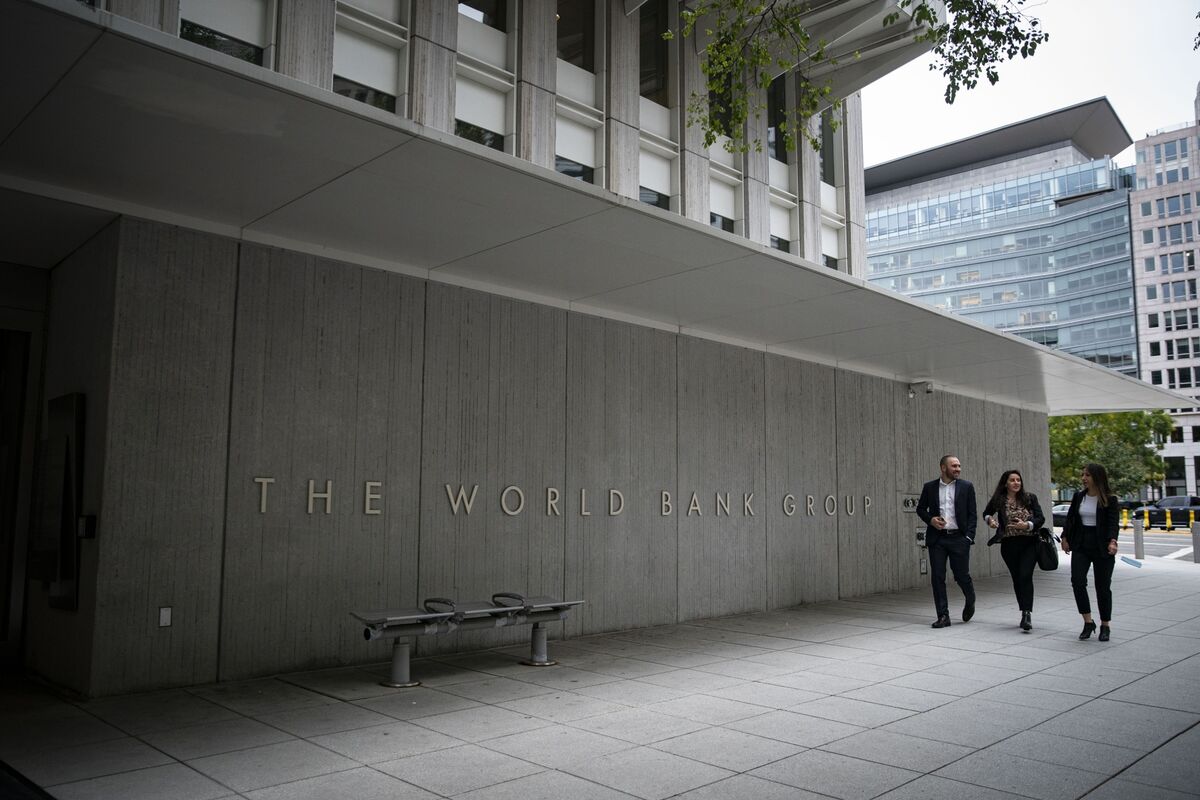
The UK government is reducing its £1.98 billion ($2.7 billion) pledge to the World Bank's International Development Association (IDA) by 10% to help fund increased military spending. Prime Minister Keir Starmer's administration stated it would soften the impact of this cut on the IDA, which provides low-interest loans to developing nations, by accelerating the payment schedule, enabling the bank to generate income from the funds more quickly.
The UK government's decision to cut its £1.98 billion pledge to the World Bank's International Development Association (IDA) by 10% represents a significant fiscal policy shift, reallocating funds from international aid to domestic military spending. This move underscores the budgetary pressures facing Prime Minister Keir Starmer's administration and signals a strategic pivot towards national defense priorities. While the government aims to mitigate the impact on the IDA by accelerating payment schedules—allowing the institution to generate income from the capital sooner—the action still results in a net reduction of funding for low-interest loans to developing nations. The mildly negative sentiment and low market impact score indicate that while this is a notable policy change with implications for UK foreign policy and emerging markets, it is not perceived as a systemic risk to broader financial markets.
AI-powered research, real-time alerts, and portfolio analytics for institutional investors.
Request DemoOverall Sentiment
mildly negative
Sentiment Score
-0.35
