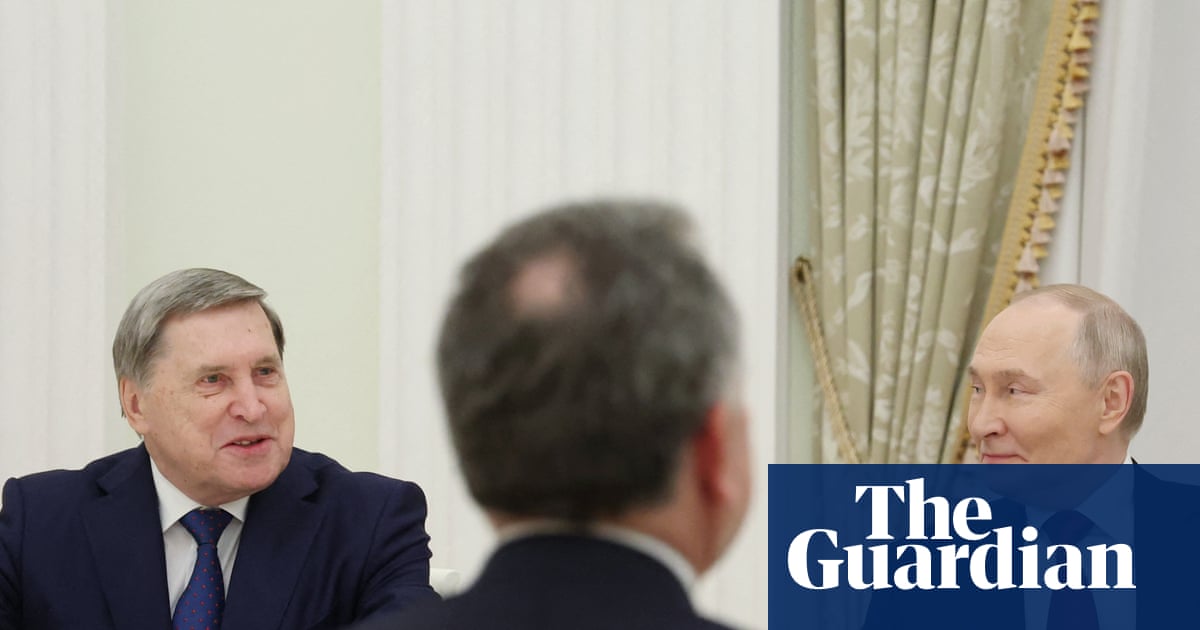
Diplomatic efforts to negotiate an end to the Ukraine war produced no breakthrough after US envoy Steve Witkoff met Vladimir Putin in Moscow, with Kremlin aides saying talks left parties “neither further nor closer” to resolution and Putin issuing threats toward Europe. The period saw allied concern from Zelenskyy, the arrest in Ukraine of a British instructor accused of FSB-directed assassinations, and a string of tanker attacks in the Black Sea and off Dakar that risk disrupting energy and shipping routes. Brussels plans a legal proposal to consider using roughly €140bn in frozen Russian sovereign assets to fund Ukraine, a move facing legal and political obstacles (notably Belgium) and carrying material legal/financial ramifications should implemented. Taken together, the developments increase geopolitical risk premia for energy and shipping markets and introduce legal/sovereign asset risk for investors monitoring Europe-Russia exposure.
Market structure: The failed Moscow diplomacy and rising attacks on tankers increase short-term risk premia in energy & shipping while reinforcing defense procurement tailwinds. Expect a 10–30% widening in implied vol for Black Sea-related shipping names and a 5–15% upside re-pricing for large-cap defense contractors over 3–12 months as governments accelerate orders and contingency inventories.
Risk assessment: Tail risks include (1) legal/financial retaliation if EU uses frozen Russian assets — potential cross-border litigation and asset freezes concentrated at Euroclear — which could move Belgium/EU sovereign spreads +15–50bp; (2) a limited Russian blockade or escalation driving Brent +15–40% in 1–3 months. Hidden dependencies: insurance (P&I) capacity and reinsurance retentions could spike costs, amplifying shipping rate moves.
Trade implications: Tactical plays: long top-tier defense (liquid large caps) and long tanker owners/charter rates while hedging European banking/exposure. Use options to buy convexity in oil and FX: 3-month Brent call spreads and EUR puts. Rotate out of Euro and European cyclical finance exposure into USD, gold, and selected commodity/transport beneficiaries over weeks–months.
Contrarian angles: Consensus assumes prolonged stalemate; underappreciated is a near-term legal compromise (EU borrows vs. seizes frozen assets) which would lower tail-risk and compress oil/shipping volatility by 20–40% within 1–2 months. Conversely, market may be underpricing secondary sanctions/cyber retaliation risk that could hit select EU financial infrastructure — a catalytic event that would favor cash/higher-quality sovereigns and gold.
AI-powered research, real-time alerts, and portfolio analytics for institutional investors.
Request DemoOverall Sentiment
strongly negative
Sentiment Score
-0.60
