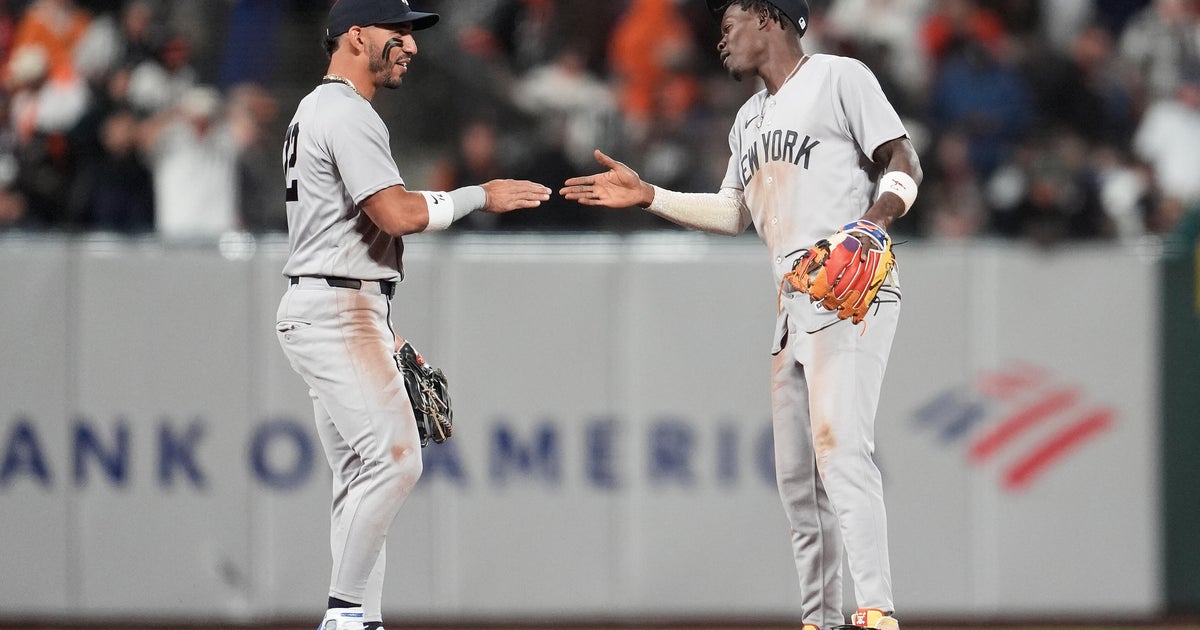
MLB debuted the Automated Ball-Strike System (ABS) using 12 Hawk-Eye cameras in the Yankees-Giants season opener; the first on-field challenge (José Caballero) upheld the human umpire's strike call. ABS has been tested in the minors since 2019 and used in major-league spring training in 2025–26; teams retain two challenges and managers expect a learning curve. The system is positioned to increase accountability and alter in-game strategy but is unlikely to have material financial market implications.
Venue-level automation of judgement calls creates a recurring, high-margin software and telemetry revenue stream for cloud/analytics providers and feed-licensing intermediaries rather than a one-time hardware sale. Expect initial dollars to come from broadcast/data licensing and betting feed fees: conservatively, if 10–30% of MLB broadcast windows pay $0.5–2M/year for enriched low-latency data, that implies a $50–200M incremental annual market within 1–3 years, with >60% gross margins once infrastructure is in place.
The biggest commercial lever is downstream monetization — dynamic ad insertion, micro-sponsorships tied to “reviewed” moments, and sportsbooks charging premiums for official-verified event outcomes. These create an early-adopter advantage for large cloud and ad platforms that can both host the low-latency feeds and wrap monetization layers; incremental ad/betting revenue of 1–3% to a large ad platform’s sports vertical within 12–24 months is plausible and would be a visible earnings kicker given operating leverage.
Key tail risks: high-profile tech errors or a legal/union push could force policy reversals or limit data licensing, compressing the TAM; regulatory scrutiny over automated officiating or data ownership disputes with leagues/broadcasters could slow monetization. Watch for league-wide commercial contracts and broadcast data deals over the next 3–12 months as primary catalysts; a botched, televised error would be a volatility event that could reset adoption timelines for 6–18 months.
AI-powered research, real-time alerts, and portfolio analytics for institutional investors.
Overall Sentiment
neutral
Sentiment Score
0.00
Ticker Sentiment
