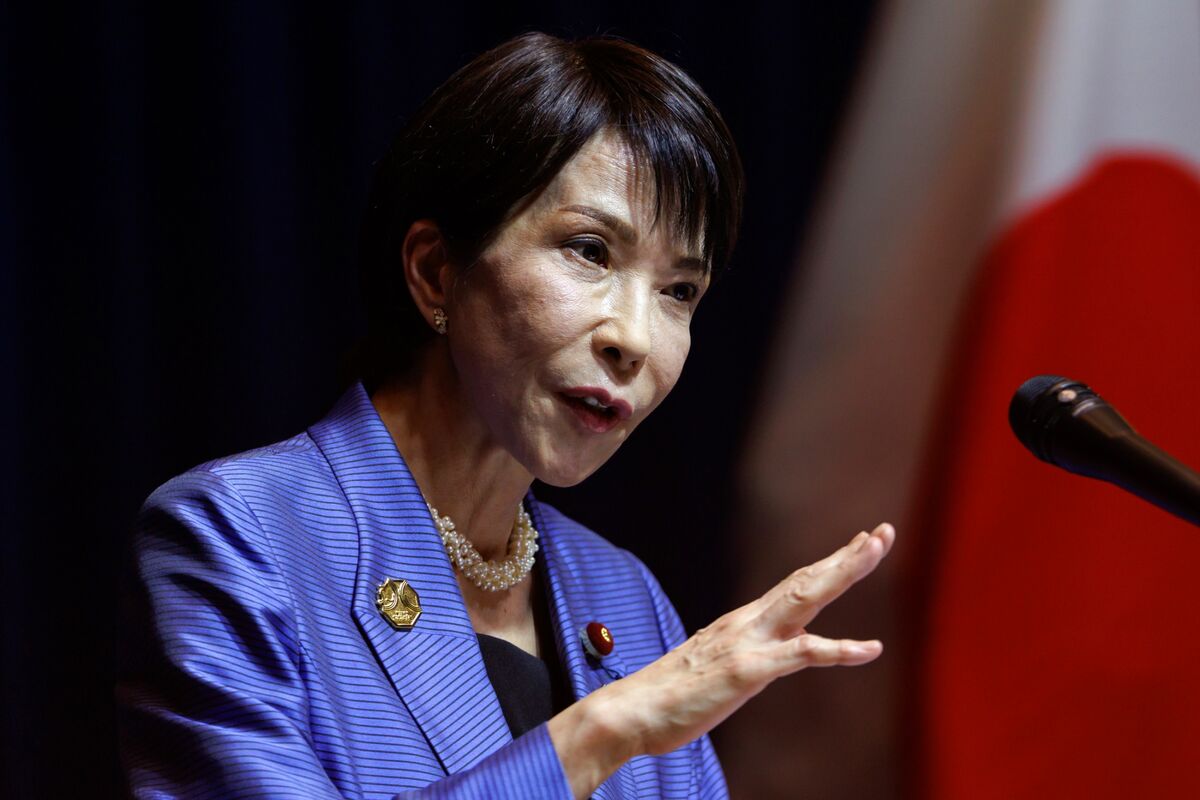
Japan’s pro-stimulus Prime Minister Sanae Takaichi is preparing to unveil the largest spending plan since the pandemic era, a stimulus package that will feature ¥17.7 trillion ($112 billion) of spending via an extra budget—up from ¥13.9 trillion under former PM Shigeru Ishiba—according to Bloomberg. The bigger package signals an embrace of expansive fiscal policy and will require larger-than-last-year bond issuance, heightening pressure on Japan’s public finances and likely drawing scrutiny from bond vigilantes and markets.
Japan’s new pro-stimulus Prime Minister Sanae Takaichi is preparing the largest spending plan since the pandemic era: an extra-budget stimulus of ¥17.7 trillion ($112 billion), up from ¥13.9 trillion under former PM Shigeru Ishiba, according to the article. The plan reinforces Takaichi’s expansive fiscal posture and represents a material increase in discretionary spending versus the prior year.
Documents cited indicate additional bond issuance will be larger than last year to finance the package, a direct risk to Japan’s public finances and a likely focal point for bond vigilantes; the supplied signals show market sentiment is mildly negative (-0.32) with JPY-specific sentiment at -0.4 and a market-impact score of 0.6. Those metrics suggest markets assign a meaningful probability of adverse moves in sovereign bonds and the currency.
Key near-term implications are elevated scrutiny of issuance schedules, greater volatility in JGBs and the yen, and potential pressure on yields and credit perceptions if markets question fiscal sustainability. Investors should therefore watch JGB supply details, yield reactions and any Bank of Japan communications closely, as these will determine whether the fiscal impulse is absorbed smoothly or prompts repricing of sovereign risk.
AI-powered research, real-time alerts, and portfolio analytics for institutional investors.
Overall Sentiment
mildly negative
Sentiment Score
-0.32
Ticker Sentiment
