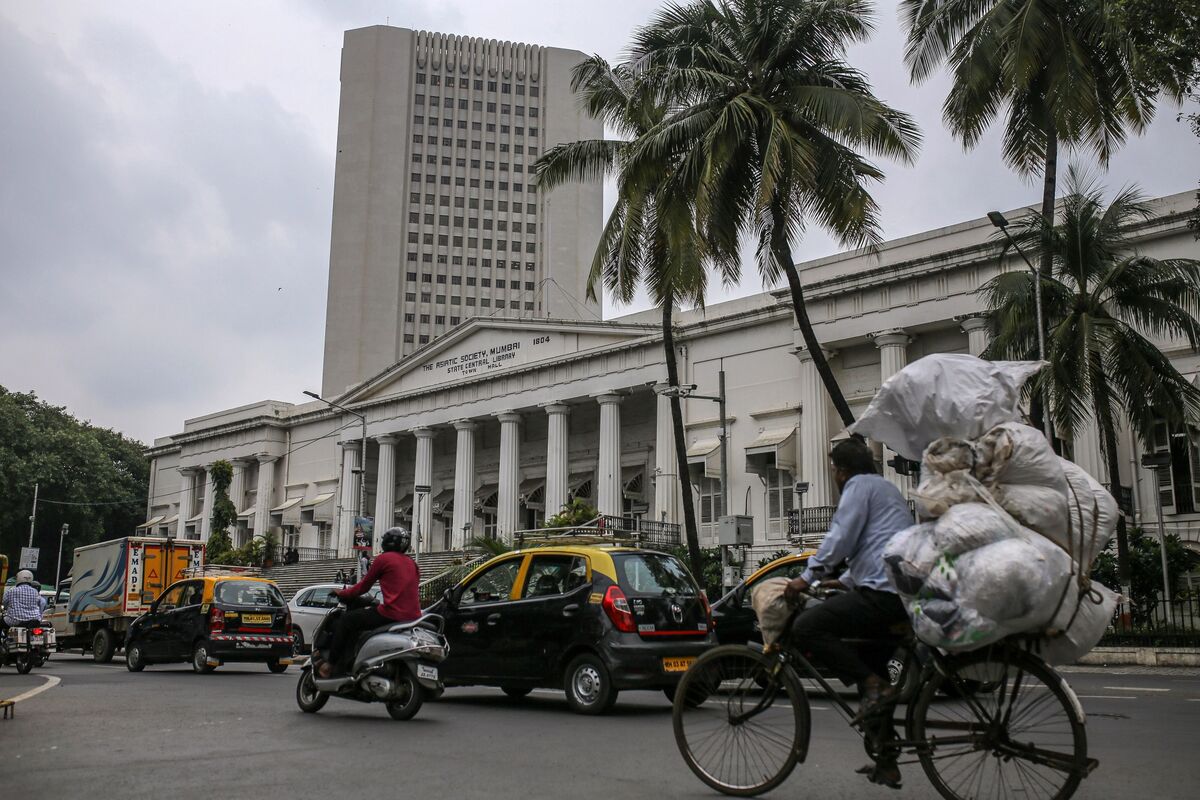
The Reserve Bank of India has already intervened to curb bets against the rupee, but the move only bought a brief reprieve as the currency trades near record lows. A constructive scenario would require an external shock to ease (an end to the Iran conflict) and oil falling back below $100/barrel; domestically, authorities could tighten capital controls or restrict foreign investor outflows to shore up the rupee—measures that would stabilize FX but could materially dent India’s investment appeal and capital inflows.
A persistent external-price shock to India’s import bill will mechanically force an intermediation trade-off: domestic banks and non-bank creditors will be asked to absorb FX hedging mismatches while monetary policy and liquidity operations try to stabilize FX — that combination raises credit spreads and reduces willingness to lend to longer-duration corporate projects over 3–12 months. Exporters with high fixed-cost base and US-dollar revenue streams will see improved EBITDA conversion on translation, while input-heavy importers (energy, aviation, chemical feedstocks) will see margin compression that is only partly pass-through-able to domestic consumers without accelerating inflation.
The highest-leverage catalyst is a policy-induced liquidity shock (reserve drainage via FX intervention or targeted limits on non-resident outflows) because that can compress rupee funding lines and push local money-market rates sharply higher within days. Conversely, a sustained drop in global energy premia or a de-escalation that restores risk appetite can reverse pressures in 4–12 weeks, producing rapid carry unwind and equity re-rating; the asymmetry favors optionality trades that cap losses but leave upside exposed.
Consensus expects a binary policy choice between tolerance and capital controls; a more probable path is a calibrated mix of marginally higher policy rates, targeted macroprudential measures (higher haircuts on non-resident debt, more frequent FX auctions) and off-market guidance — that stabilizes FX but leaves structural inflows impaired for quarters. That makes volatility in INR, Indian equities (especially mid-cap cyclicals) and local fixed income tradable with defined hedges rather than directional long-only exposure.
AI-powered research, real-time alerts, and portfolio analytics for institutional investors.
Request DemoOverall Sentiment
mildly negative
Sentiment Score
-0.30
