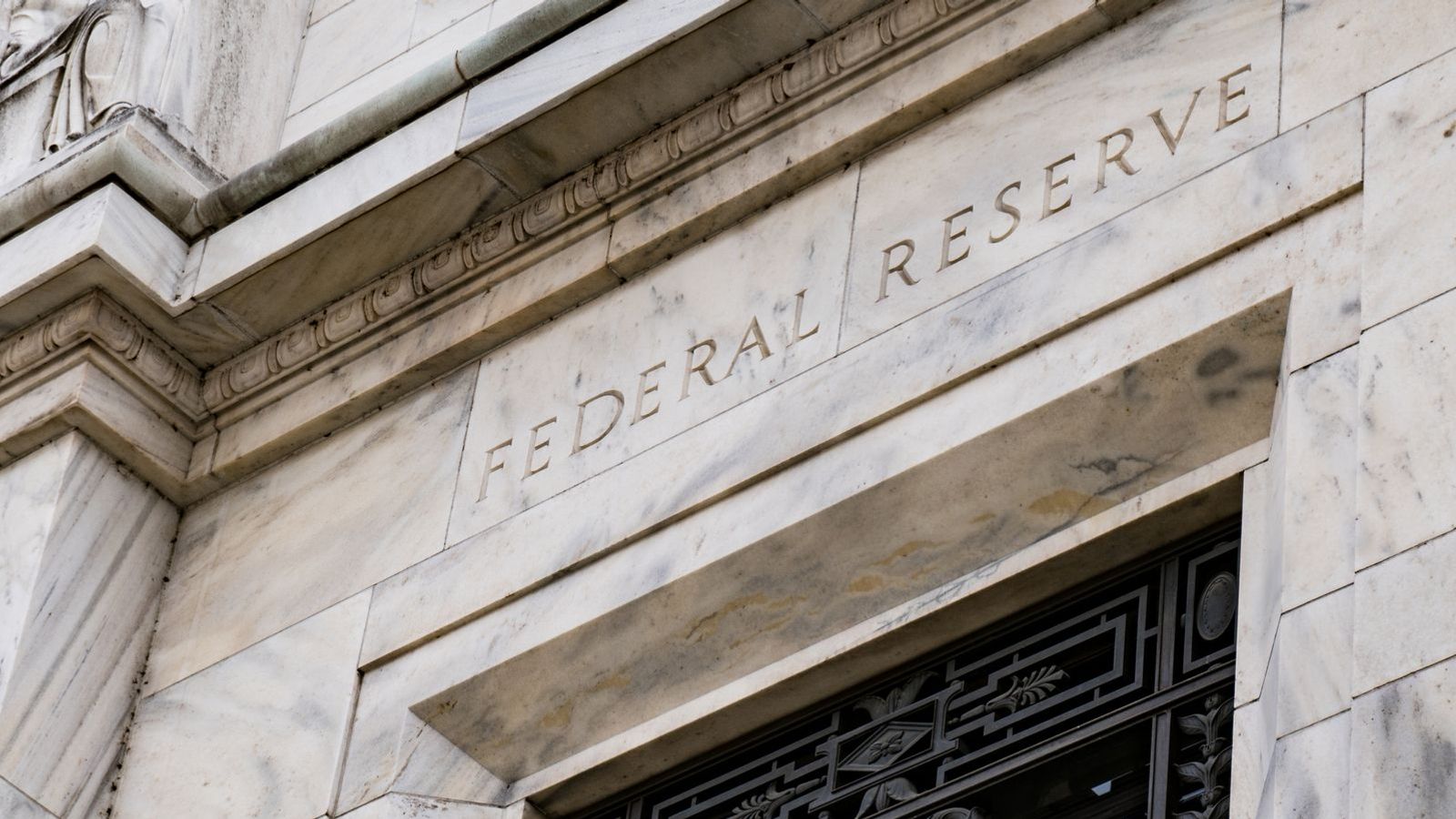
The Federal Reserve cut its policy rate to about 3.6% — a near three-year low and the third consecutive reduction — but signalled a pause, projecting only one further cut currently likely in 2026; there were three dissents and officials said they have reduced rates 75 basis points since September (175bp since last September) as they forecast growth pickup, a sharply lower unemployment rate next year and inflation easing to about 2.4% by end‑2026. The cautious guidance reflects the Fed’s balancing of persistent inflation risks and weak hiring and comes amid heightened political risk to central-bank independence as Chair Jay Powell exits in mid‑May and President Trump prepares to nominate a successor seen as potentially dovish. Markets reacted mixedly — equities rallied (Dow +1.2%) while the dollar and Treasury yields were little changed — and strategists warn a dovish successor could compress short-term yields but lift longer-term rates, keeping bond markets skittish.
The Federal Reserve lowered the federal funds rate to about 3.6% — the third consecutive cut — and said it is currently guiding toward just one further cut in 2026; officials noted 75 basis points of easing since September and 175bp since the prior September, while three governors dissented arguing for no change. Chair Jay Powell said the policy rate is within a broad range of neutral estimates, and the committee emphasized data-dependence as it balances elevated inflation risks and a weak jobs market.
Fed projections see US growth picking up, unemployment easing sharply next year and inflation slowing to roughly 2.4% by end-2026; markets reacted unevenly with the Dow Jones up ~1.2% while the dollar and Treasury yields were little changed. The central bank’s cautious language reflects competing signals of softer hiring and persistent price pressures, reducing the clarity of the easing path.
Political risk is the proximate market catalyst: Powell departs mid-May and President Trump’s likely dovish successor could prompt market repricing of policy, compressing short rates but potentially lifting long-term yields as investors price a later inflation hangover and fiscal concerns. Strategists flag 20-year Treasury yields approaching 5%, leaving bond markets vulnerable to steeper curve moves and episodic volatility around the nomination and incoming economic data.
AI-powered research, real-time alerts, and portfolio analytics for institutional investors.
Request DemoOverall Sentiment
mixed
Sentiment Score
0.00
