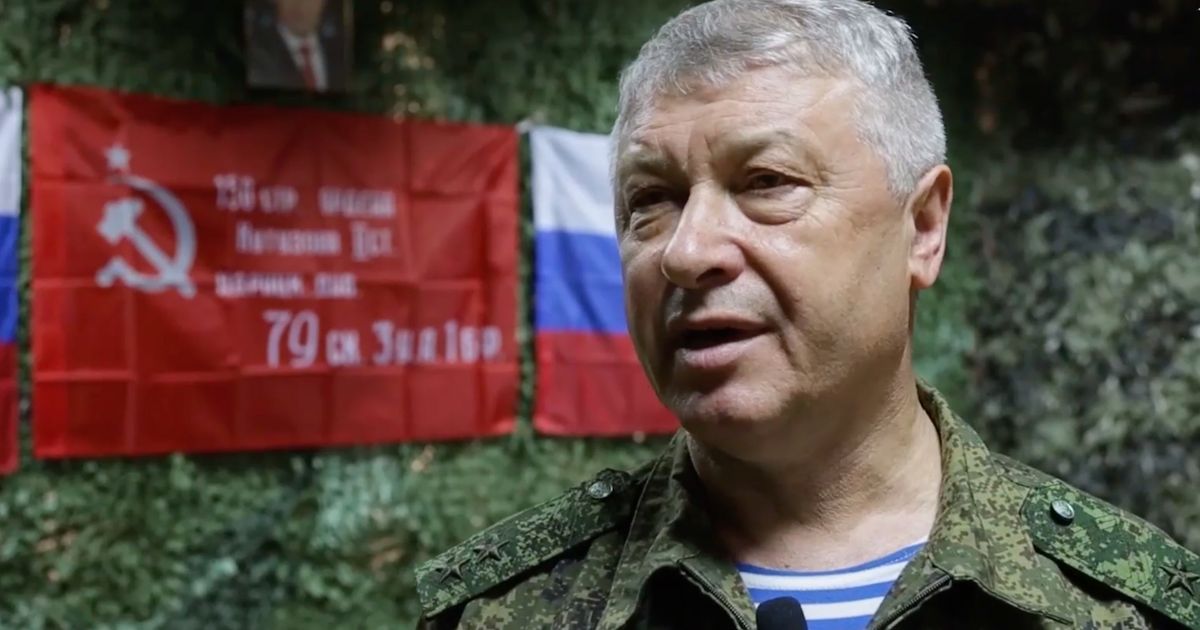
Russia says Lt. Gen. Vladimir Alekseyev, first deputy head of the GRU, was shot multiple times in Moscow and that a suspect, Russian citizen Lyubomir Korba, was detained in Dubai and handed over to Russia; the FSB identified two alleged accomplices, one detained in Moscow and one who fled to Ukraine. The attack follows a string of high‑profile killings of Russian military figures that Moscow has blamed on Kyiv and comes immediately after trilateral talks in Abu Dhabi, raising short‑term geopolitical risk for Russia-related assets and potential implications for defense and regional stability.
Market structure: Targeted attacks on senior Russian officers are a persistent negative for Russian sovereign risk and a positive shock for Western defense, private military contractors, cybersecurity and commodity risk premia. Expect defense primes (LMT, RTX, NOC) to see relative demand growth for 6–18 months as procurement plans and rearmament discussions accelerate; energy (Brent) carries a 5–12% upside tail from supply-route risk while RUB pressure should produce 3–8% near-term depreciation versus USD.
Risk assessment: Tail risks include a sharp escalation that disrupts Black Sea exports or triggers broad sanctions (oil spike >25%, CDS widening >200bp for Russia) and asymmetric cyberattacks on Western firms. Time horizons: days — safe-haven flows (gold, USTs); weeks–months — contract awards and budget reallocations; quarters — durable defense capex. Hidden dependencies: third-party extraditions, attribution certainty and EU political cycles that can amplify or mute sanctions.
Trade implications: Tactical approach — overweight US defense primes (LMT/RTX/NOC) for 6–12 months, hedge macro with 3–6 month gold/UST exposure, and buy short-dated Brent upside (call spreads). Use options to cap downside (buy call spreads on BNO, buy protective puts or call spreads on VIX/VXX for portfolio insurance). Monitor procurement notices and sanction votes as triggers to scale positions.
Contrarian angles: Consensus likely underestimates the probability that Russia’s internal consolidation reduces cross‑border provocations, which would deflate an extended defense rerate — defense stocks could be partially priced for ‘permanent war premium.’ Historical parallels (targeted killings like 2018–24) produced policy responses but limited persistent market dislocation; if no further high-casualty incidents in 30–60 days, unwind risk premiums rapidly and trim longs.
AI-powered research, real-time alerts, and portfolio analytics for institutional investors.
Request DemoOverall Sentiment
moderately negative
Sentiment Score
-0.45
