Intensified Russian attacks have caused emergency power blackouts across most of Ukraine, marking the fourth consecutive winter of energy disruptions and impacting regional economic stability. Concurrently, Ukraine's retaliatory strikes on Russian oil refineries and logistics have led to domestic fuel shortages and reduced Russian fuel exports to their lowest level since the war's start, according to IEA figures, exacerbating global energy market volatility. While military aid to Ukraine has reportedly declined by 43% compared to the first half of the year, new pledges for advanced weaponry, including potential US Tomahawk missiles, signal ongoing geopolitical risk and potential shifts in defense sector investment.
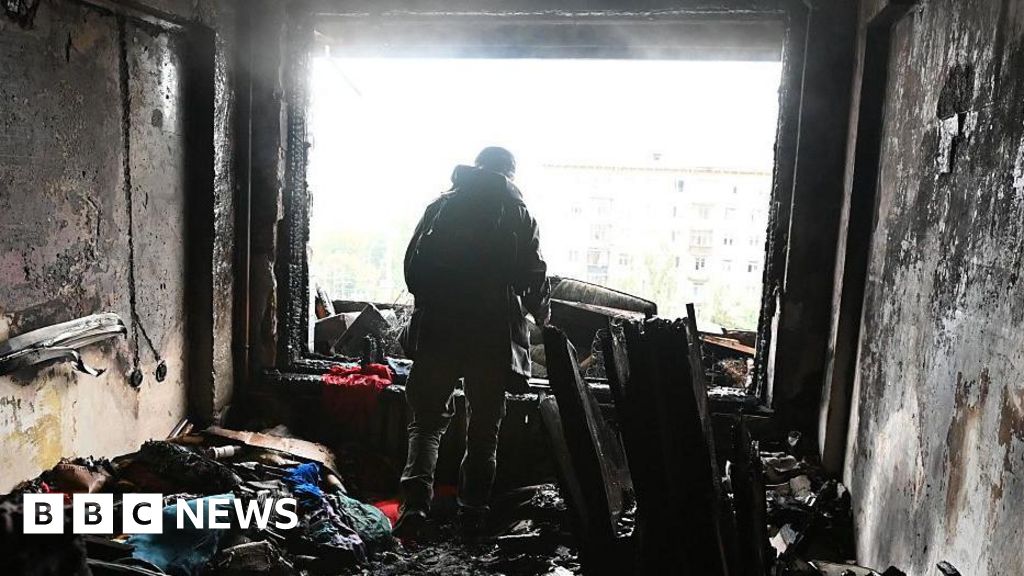
Intensified Russian air strikes have triggered emergency power blackouts across nearly all of Ukraine, marking the fourth consecutive winter of significant energy infrastructure disruption. This widespread impact, affecting all but two regions and occurring as temperatures are forecast to drop to 3C, underscores severe humanitarian and operational challenges for the country. The targeting of both power networks and railways indicates a strategic effort to cripple Ukrainian logistics and civilian resilience.
Concurrently, Ukraine's retaliatory drone attacks on Russian oil refineries, including a major depot in Crimea, have caused significant damage, with 16 fuel tanks affected and a three-day blaze reported. These strikes have led to domestic fuel shortages and price increases in parts of Russia, and critically, have reduced Russian fuel exports to their lowest levels since the war began, according to the International Energy Agency. This dynamic introduces further volatility into global energy markets.
Despite a reported 43% decline in military aid to Ukraine compared to the first half of the year, new commitments are emerging, including Germany's $500 million pledge and $1 billion from Nordic countries. Discussions around supplying advanced weaponry, such as US Tomahawk missiles, signal potential escalation and continued geopolitical risk. This evolving support landscape suggests a sustained demand for defense sector technologies and services.
AI-powered research, real-time alerts, and portfolio analytics for institutional investors.
Overall Sentiment
moderately negative
Sentiment Score
-0.50
