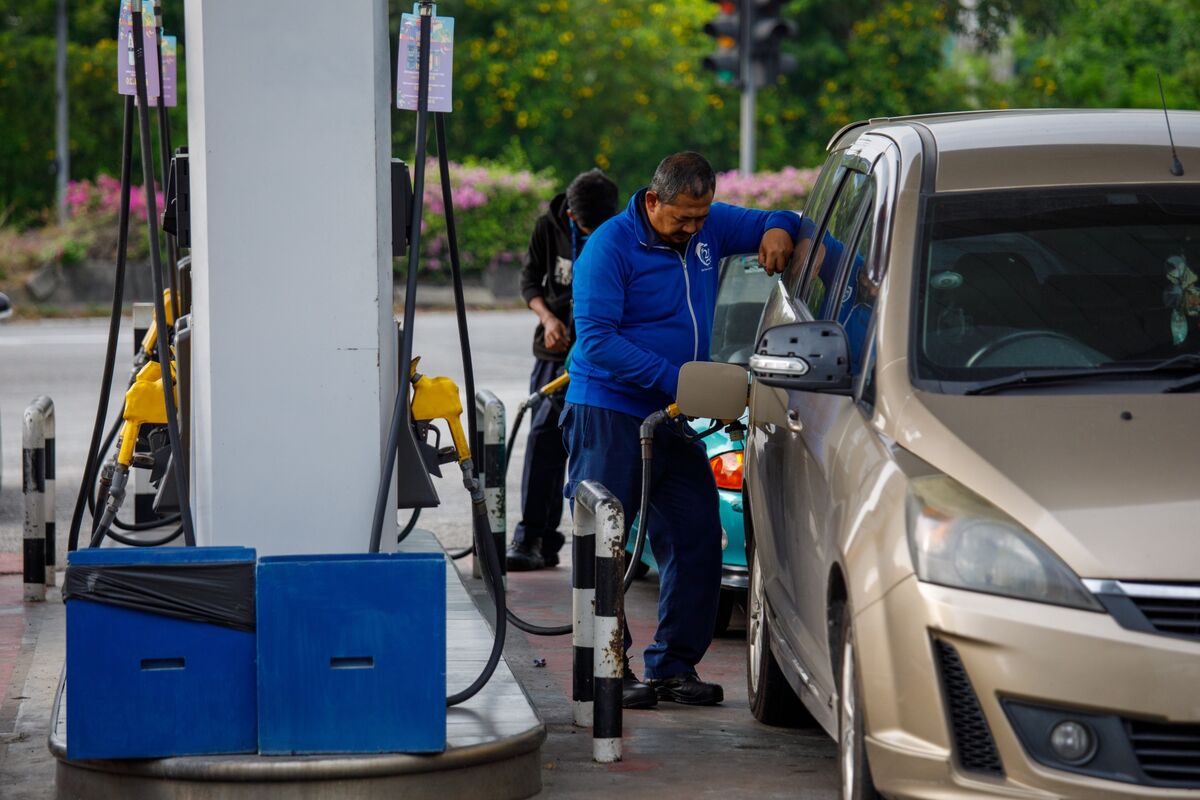
Malaysia will cut the monthly subsidized RON95 petrol quota from 300 liters to 200 liters per citizen (a 33% reduction) from April, while keeping the subsidized price at 1.99 ringgit (~$0.50) per liter. The move is intended to curb subsidy leakages and reduce fiscal pressure after a surge in global oil prices tied to the Middle East conflict. Expect modest domestic fiscal relief but higher out-of-pocket fuel costs for heavy users, with limited immediate market impact beyond Malaysian energy and consumer sectors.
The policy loosening of fuel subsidies should matter more for balance-sheet mechanics than for the real oil price — expect order-of-magnitude fiscal relief in the range of hundreds of millions to low billions of ringgit annually if elevated oil persists for a year. That scale is large enough to meaningfully reduce near-term government borrowing needs and provide a 3–12 month tailwind to sovereign spreads and the currency, but it is too small to offset a full oil-shock tail if prices spike further.
Downstream and financial second-order effects will be asymmetric: listed banks and domestic bondholders capture the largest indirect benefit via a narrower fiscal deficit and lower sovereign risk premia, while state-controlled upstream players see limited incremental cash benefit. Retail consumption patterns may shift modestly — expect a 1–3% reduction in discretionary transportation demand over 6–12 months, which hurts marginal auto-related services and fuels modest demand-side disinflation in transport components.
Operationally, the biggest near-term supply-chain impact is a reduction in arbitrage and illicit cross-border flows; that should improve domestic pump availability and normalized margins for compliant retailers over the next 2–6 months. The policy is reversible: strong public pushback or an election cycle could force reinstatement within 30–90 days, which would reprice credit and FX risk quickly.
The consensus will likely underprice the speed of sovereign repricing but overestimate the fiscal magnitude. Markets should reward duration in local currency assets on a credible, sustained savings path, but political and oil-price reversals dominate the tail risks — treat initial moves as tactical, not structural, absent multi-quarter confirmation of lower subsidy outflows.
AI-powered research, real-time alerts, and portfolio analytics for institutional investors.
Request DemoOverall Sentiment
neutral
Sentiment Score
0.00
