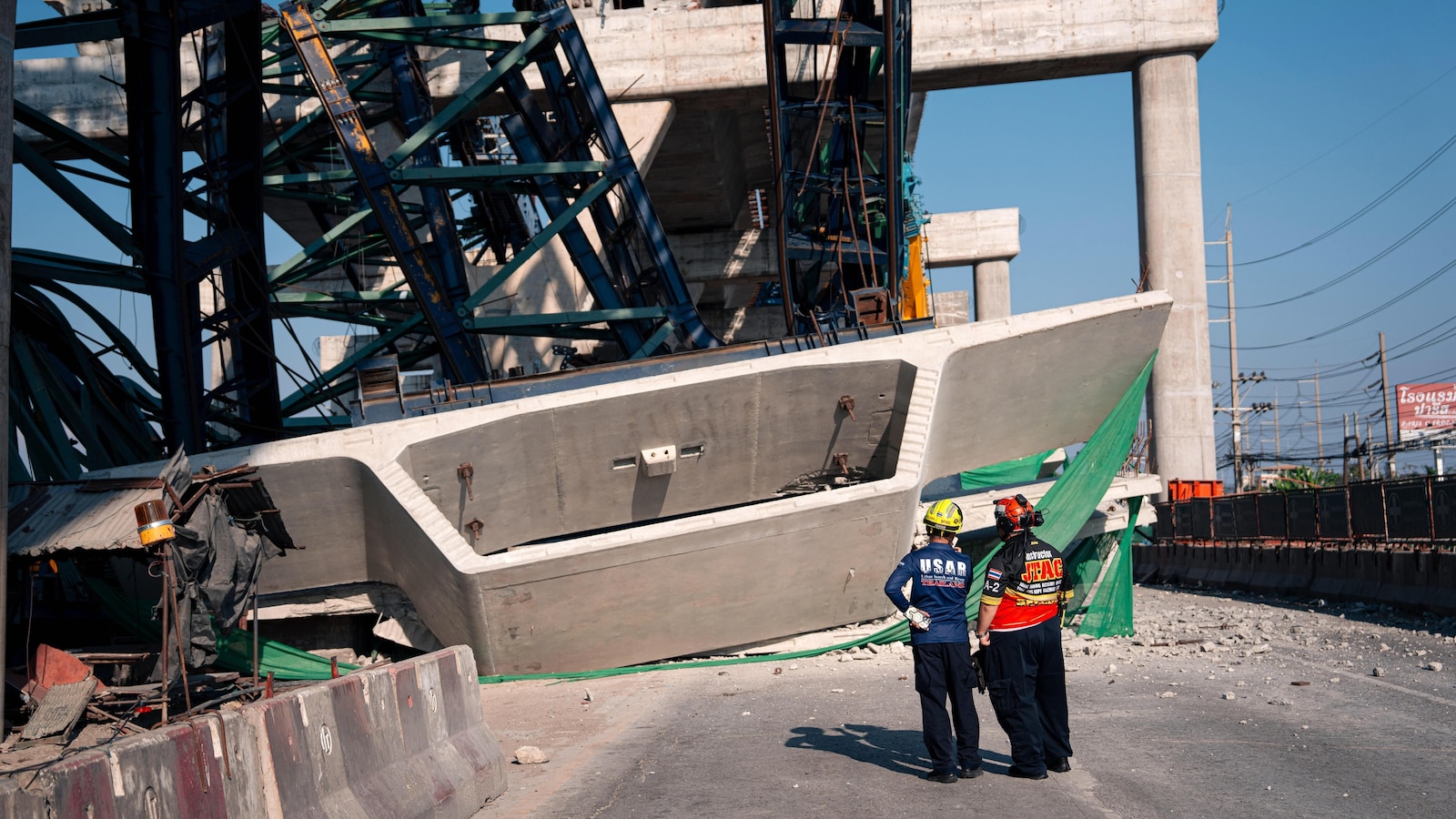
Thailand faces heightened scrutiny after a string of deadly construction accidents: a crane collapse killed two people days after a train crash that killed 32, and the prior year’s 33-story State Audit Office tower collapse killed about 100. Italian-Thai Development (Italthai) has been tied to multiple incidents and is among 23 entities indicted in the tower collapse; the government has ordered contract terminations, blacklisting, prosecution and will seize performance bonds and guarantees while introducing a contractor “scorecard.” The involvement of Chinese co‑contractors on major rail and road projects and allegations of flawed design, regulatory evasion and corruption raise potential legal, reputational and fiscal liabilities for contractors and could delay or re-cost large infrastructure projects in Thailand.
Market structure: The immediate losers are Thai heavy civil contractors (notably firms tied to recent accidents) and their subcontractor chains; winners include independent engineering consultants, international contractors with stronger governance, and insurers that can reprice risk. Expect near-term renegotiation of margins on public works (+100–300bp of risk premium) and larger banks facing higher contingent liabilities from performance bonds. FX and local credit are sensitive: THB weakness and 20–50bp widening of domestic construction credit spreads are credible near-term moves.
Risk assessment: Tail risks include widescale contract terminations and criminal convictions that freeze projects (low-probability but high-impact), which could shave 0.1–0.5ppt off Thai GDP growth over 12 months if multiple megaprojects stall. Time horizons: immediate (days) = reputational equity hits and intraday THB moves; short-term (weeks–months) = legal outcomes and scorecard enforcement (scorecard due early February); long-term (quarters–years) = structural reform raising compliance costs and shifting market share to vetted global players. Hidden dependencies: Thai banks’ exposure to contractor bonds, Chinese BRI diplomacy, and insurance retrocession capacity.
Trade implications: Expect elevated volatility in Thai equities and THB. Tactical plays: short Thai equity beta or buy puts on EWT (~3-month) and buy USD/THB calls to hedge currency; reduce direct holdings in implicated contractors and shift into ASEAN sovereigns/utilities for 1–3 quarters. Monitor regulatory milestones (prosecutions, blacklists, Feb scorecard) as catalysts for bigger moves.
Contrarian angles: The consensus that all Thai construction is toxic may be overdone—government will likely fund completion via bonds/guarantees, capping systemic credit stress and creating mean-reversion candidates after punitive selloffs. Historical parallels: post-scandal governance tightening (e.g., Hong Kong infrastructure reforms) led to 30–60% recovery in high-quality contractors over 6–12 months once legal risk cleared. Identify names with clean governance and limited bond exposure for 3–12 month selective long entries.
AI-powered research, real-time alerts, and portfolio analytics for institutional investors.
Request DemoOverall Sentiment
strongly negative
Sentiment Score
-0.60
