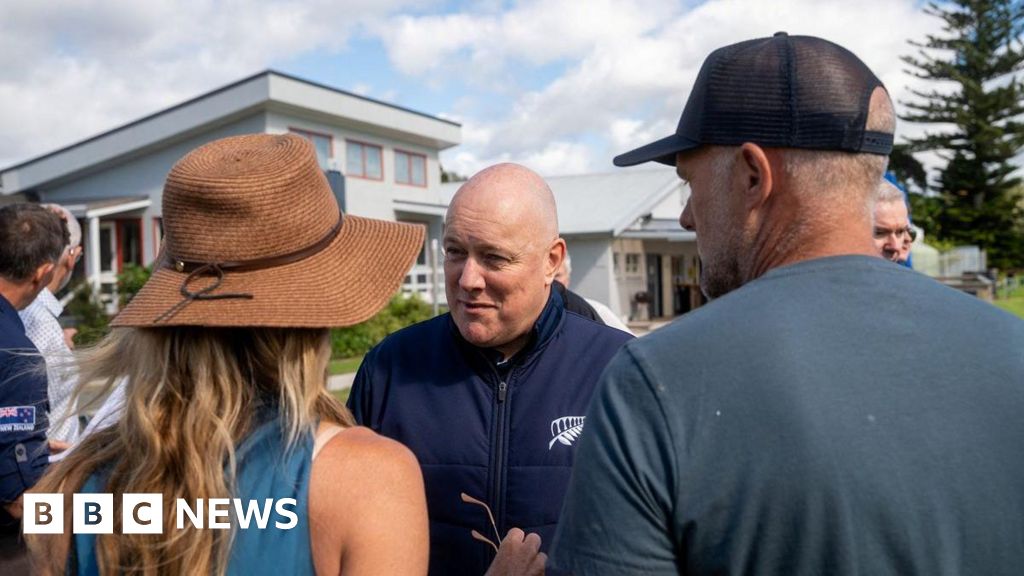
A major landslide struck a popular Mount Maunganui campsite on New Zealand's North Island after days of heavy rain, leaving six people unaccounted for and prompting police appeals about three additional possible international tourists; two teenagers (youngest 15) are among the missing. A separate landslide at nearby Welcome Bay killed two people (including a Chinese national), authorities warn of continued storms and compromised road access to isolated communities, and search-and-rescue operations led by police and emergency teams are ongoing—implications are largely local, potentially affecting regional tourism and infrastructure rather than broader markets.
Market structure: Near-term losers are NZ/Australia domestic P&C insurers and small local tourist/recreation operators (higher claims, lost revenues) while materials, builders, and global reinsurers are potential winners as rebuilding and reinsurance repricing follow. Expect local pricing power for aggregates/timber and short-term spike in demand for heavy equipment; domestic tourism capacity and campsite operators face multi-quarter revenue hit. Cross-asset: risk-off bids could push NZD down 1–3% vs USD and NZ sovereign bond yields modestly lower as markets price fiscal support; insurance-equity vol likely to rise 20–40% relative to broader equity vols.
Risk assessment: Tail risks include a larger-than-expected insured loss (NZ catastrophe >NZ$1–2bn) that hits earnings of carriers and forces capital raises, and political pressure for higher building/regulation standards increasing rebuilding costs over years. Immediate (days) risks are operational (search/rescue) and tourism declines; short-term (weeks–months) are insurance claims and supply-chain shortages for building materials; long-term (quarters–years) are regulatory/building-code upgrades and reinsurance rate hardening. Hidden dependencies: reinsurer retrocession cycles, cat-bond liquidity, and NZ government fiscal response could flip market direction quickly. Catalysts: IAG/QBE interim claims reports, NZ government recovery package (within 30–90 days), and reinsurers’ January renewals.
Trade implications: Direct plays: short domestic insurers (IAG.AX, QBE.AX) for 3–6 months on expected claims hit; long reinsurance names (RNR) or buy-call spreads to capture pricing hardening over 6–12 months. Pair trade: short IAG.AX vs long RNR to capture margin squeeze/hardening differential. Use option structures: buy 3–9 month put spreads on insurers (caps max loss) and buy 9–18 month call spreads on reinsurers; rotate 1–3% portfolio weight into construction/materials (FBU.NZ, CRH) for rebuilding demand.
AI-powered research, real-time alerts, and portfolio analytics for institutional investors.
Request DemoOverall Sentiment
moderately negative
Sentiment Score
-0.45
Contrarian angles: Consensus focuses on tragedy and near-term insurance pain but underestimates durability of reinsurance price increases and government-led rebuild contracts that benefit large materials players. Reaction may be underdone for construction inputs (timber, aggregates) over 6–12 months and overdone for permanent impairment of large insurers (capital dilution risk but recoverable earnings). Historical parallels: Christchurch 2011 led to multi-year construction boom and reinsurance repricing—similar mechanics likely though scale smaller. Unintended consequence: aggressive short on insurers risks a quick bounce if claims estimates prove contained or if govt provides backstop within 60–90 days.
