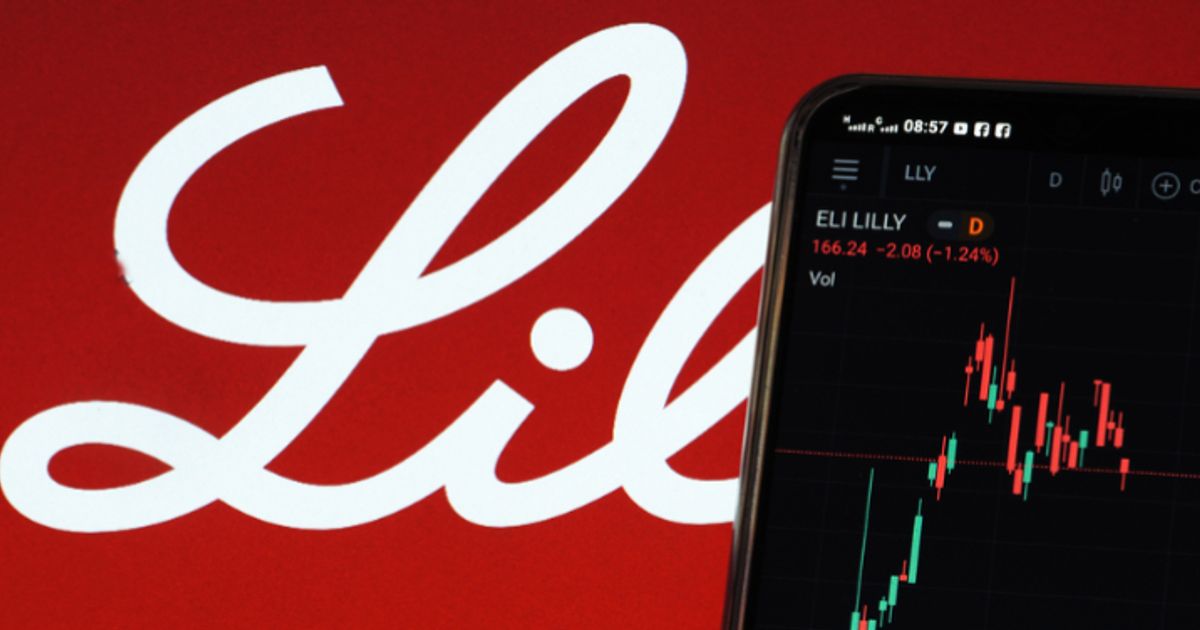
Eli Lilly shares fell over 10% at market open despite reporting strong second-quarter earnings and raising full-year guidance, as disappointing late-stage trial data for its oral weight loss drug orforglipron overshadowed the positive financial results. While orforglipron met its primary endpoint with an average 12.4% weight loss, this fell short of Wall Street's expectations for efficacy comparable to competitors like Novo Nordisk's Wegovy (14-15%). The company reported a 38% year-over-year revenue increase to $15.56 billion and a 61% jump in EPS to $6.31, also raising its full-year revenue guidance to $60-62 billion, but investor focus remained on the competitive implications for its pipeline.
Eli Lilly is experiencing a significant disconnect between its current financial performance and market valuation, as evidenced by a 10.6% share price decline despite a substantial Q2 earnings beat and raised full-year guidance. The company reported a 38% year-over-year revenue increase to $15.56 billion and a 61% rise in EPS to $6.31, both exceeding Wall Street estimates and driven by strong sales of its existing weight loss drugs, Zepbound and Mounjaro. However, this robust performance was overshadowed by disappointing late-stage trial data for its oral weight loss candidate, orforglipron. While the drug met its primary endpoint, its 12.4% average weight loss fell short of the 14-15% efficacy demonstrated by competitor Novo Nordisk's products. This outcome has raised investor concerns about orforglipron's future market share and competitive positioning, indicating that the stock's premium valuation was heavily reliant on expectations of pipeline dominance, which are now being aggressively repriced by the market.
AI-powered research, real-time alerts, and portfolio analytics for institutional investors.
Overall Sentiment
moderately negative
Sentiment Score
-0.40
Ticker Sentiment
