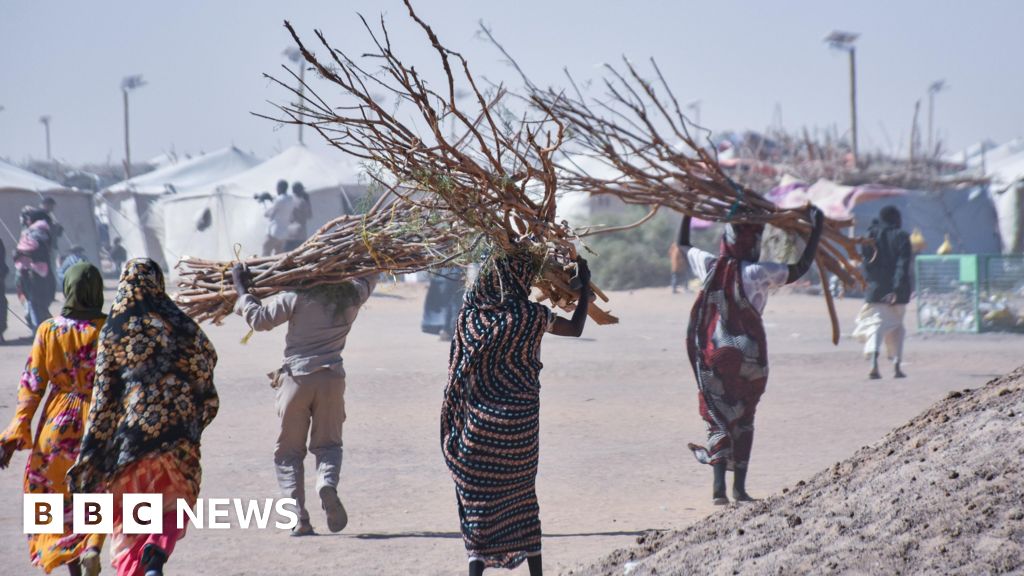
3,396 survivors sought treatment in MSF-supported facilities between January 2024 and November 2025; MSF characterises rape as a "defining feature" of the Sudan conflict with the RSF identified as the majority of perpetrators. MSF reports >90% of victims it treated were assaulted while travelling from Zamzam/Abu Shouk to Tawila; in South Darfur MSF treated >1,300 survivors (56% of clinic patients) raped during daily activities, 68% identified armed men as assailants and ~20% of victims were under 18 (41 under age five). MSF warns its data underrepresents true scale due to insecurity, stigma and service gaps and calls for accountability and a strengthened humanitarian response.
Severe, sustained human-rights crises typically produce multi-year second-order demand for monitoring, forensics, and logistics rather than a one-off humanitarian spike. Expect governments and large NGOs to accelerate procurement of imagery, persistent ground communications, medical-forensic supply chains, and outsourced logistics contracts on timelines measured in quarters to years, creating recurring revenue streams for a small set of suppliers.
A parallel response is legal and regulatory: prolonged attention triggers targeted sanctions, asset freezes and litigation that raise compliance costs for extractive and trading firms operating in the region. Those costs compress margins and slow project timelines, nudging capital away from frontier projects and raising sovereign risk premia across nearby credits for 6–24 months.
Market reactions will be bifurcated: defense/ISR and specialized logistics providers should see upside optionality as budgets reallocate, while EM risk-sensitive assets (local-currency debt, frontier equities) face episodic outflows. In a downside scenario the FX and sovereign curve can gap wider by 50–150bp in acute risk-off, amplifying roll costs for credit funds.
Consensus tends to treat these events as short-lived humanitarian stories; the miss is underappreciating durable shifts in monitoring/regulatory regimes that increase recurring contract flows to niche suppliers and insurers. That structural change is investable and hedgable — think 3–18 month plays on ISR/communications contractors, humanitarian logistics contractors, gold as a tail hedge, and selective EM downside protection.
AI-powered research, real-time alerts, and portfolio analytics for institutional investors.
Request DemoOverall Sentiment
extremely negative
Sentiment Score
-0.90
