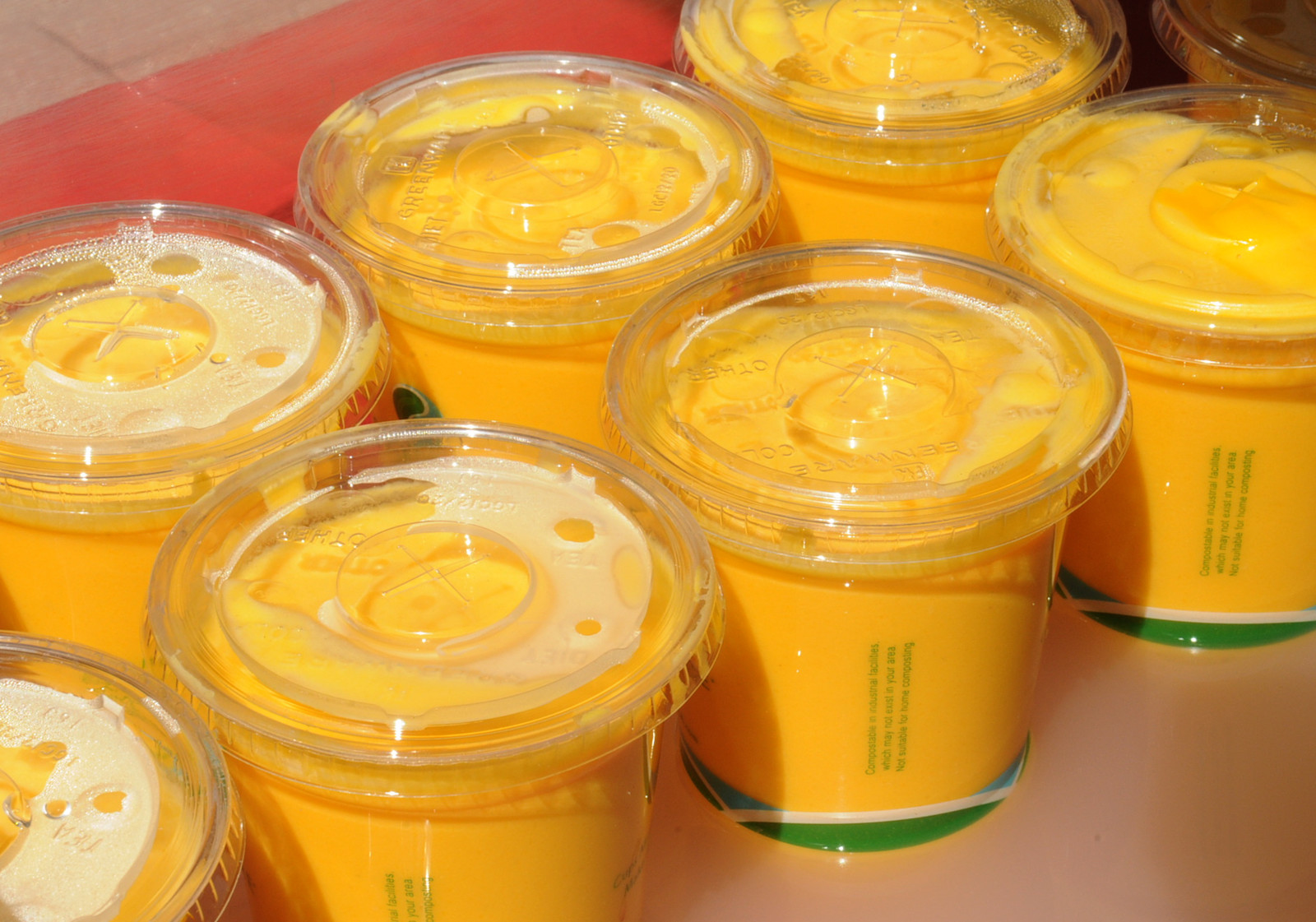
The outlet's most-read food stories of 2025 tie migration and cultural exchange to shifting culinary trends, highlighting falooda's rise as a maximalist dessert and renewed interest in preserved fish and meat pickles. These pieces illustrate evolving consumer tastes that could inform niche retail, foodservice and travel offerings, but contain no company financials, revenue figures or market-moving data and therefore have negligible immediate investment impact.
Market structure: Migration-driven cuisine and maximalist desserts boost demand for niche ingredients, specialty packaged goods and distributors rather than commodity staples. Expect 3–8% incremental category growth in ethnic/indulgent food segments over 12 months, lifting pricing power for spice/flavor firms and broadline distributors (benefit MKC, SYY) while compressing growth for undifferentiated legacy packagers. Advertising and content players (GOOGL/META, premium food publishers) get modest upside from higher engagement and travel/culinary advertising spend.
Risk assessment: Near-term (days–weeks) tail risks include viral fad reversals or food-safety recalls that can erase foot-traffic gains; medium-term (3–12 months) risks are supply constraints in specialty spices and shipping disruptions from concentrated sourcing (India/Pakistan seasonal risks) that could raise input costs 5–15%. Hidden dependency: SKU proliferation requires distributor warehouse capacity and retail shelf economics—if Sysco/wholesalers hit capacity, rollout stalls. Catalysts to watch: monthly Retail Sales by category, Google Trends for key search terms (falooda, pickles), immigration stats and QSR/commercial foodservice same-store sales over next 2 quarters.
Trade implications: Direct plays favor flavor/spice makers and distributors—MKC and SYY as primary longs, Kroger (KR) overweight versus Walmart (WMT) for assortment agility; packagers with dated portfolios (BGS) are short candidates. Use 6–12 month horizons: size core equity longs 1–2% positions and add a small 0.5% options call-spread on MKC (9-month, 10–15% OTM) if IV <35% to lever upside. Timing: scale into positions over next 2–6 weeks and re-evaluate after two retail earnings cycles (≈6 months).
Contrarian angles: Consensus treats food trends as ephemeral; migration-driven taste shifts are structural and can produce persistent 2–5% market-share shifts over 2–3 years—current market underprices distributor leverage and overprices delivery/platform optionality. Historical parallel: ethnic food assimilation in the 2010s (tacos/bowls) created durable winners among distributors and agile grocers. Unintended consequence: input inflation could spur consolidation (M&A targets: MKC/SYY) which would accelerate upside for early-long positions.
AI-powered research, real-time alerts, and portfolio analytics for institutional investors.
Request DemoOverall Sentiment
neutral
Sentiment Score
0.00
