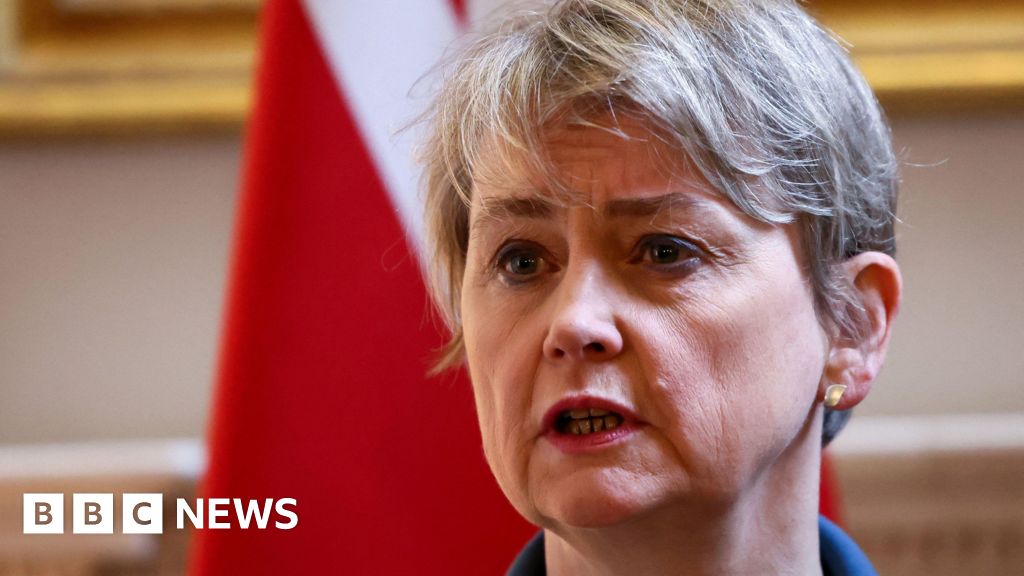
The UK has declined to sign onto US President Trump’s proposed ‘Board of Peace’ at Davos, with Foreign Secretary Yvette Cooper citing concerns about the treaty’s broader legal implications and the potential participation of Vladimir Putin given Russia’s ongoing invasion of Ukraine. The White House charter, which does not reference Palestinian territory and appears to subsume some UN functions, has attracted commitments from Saudi Arabia, Turkey, Egypt and Israel but Putin has not confirmed his participation; Trump said he was invited and repeated that Putin and Zelensky may be close to a deal ahead of Trump’s scheduled Davos meeting with Zelensky. The UK says it supports Trump’s 20-point Gaza plan and intends to engage in subsequent phases, but its refusal to sign signals diplomatic caution and sustained geopolitical uncertainty rather than an immediate shift in market fundamentals.
Market structure: UK refusal to sign signals continued geopolitical friction rather than rapid de-escalation — a tailwind for defence contractors and energy-security beneficiaries while capping upside for cyclicals sensitive to lower-risk premia. Expect a 5–15% range re-rating for large-cap defence names over 3–6 months if diplomacy stalls; European energy majors retain pricing power from tighter gas markets into winter 2026. Liquidity flows will favor safe-havens (USD, Treasuries, gold) on headline risk spikes and push EM FX and European cyclicals wider in implied volatility.
Risk assessment: Key tail scenarios are (A) Putin actually signs/peace escalation → commodities -10–30% and defence names -15–25% within weeks, or (B) conflict escalates → oil/gas +20–40% and defence +15–30% in months. Immediate (days) risk is headline-driven volatility around Davos meetings; short-term (weeks) hinge on formal confirmations; long-term (quarters) depend on sanctions policy and defense budget revisions. Hidden dependency: US election dynamics can flip incentives quickly — track White House statements as leading indicator.
Trade implications: Favored trades are long defence (RTX, LMT) and long energy-security equities (SHEL.L) with defined option overlays; hedge with GLD and short European travel/consumer cyclicals (IAG.L). Use 3–6 month call spreads to capture funding cost and limit downside, and buy short-dated straddles on Brent (BNO) around announced meetings to monetize event volatility. Scale positions 1–4% per idea and exit on 20% move or specific triggers (Putin confirms participation; UK/UN treaty text published).
Contrarian angles: Consensus assumes either instant peace or perpetual tension; missed is a hybrid outcome (limited Russia buy-in with transactional concessions) that would compress defence but leave energy volatility elevated. That suggests asymmetric option plays: sell tight-delta defence covered calls and buy medium-dated oil call spreads; history (post-Cold War peace talks) shows markets often overshoot — position sizes should be modest and volatility-managed.
AI-powered research, real-time alerts, and portfolio analytics for institutional investors.
Request DemoOverall Sentiment
neutral
Sentiment Score
-0.10
