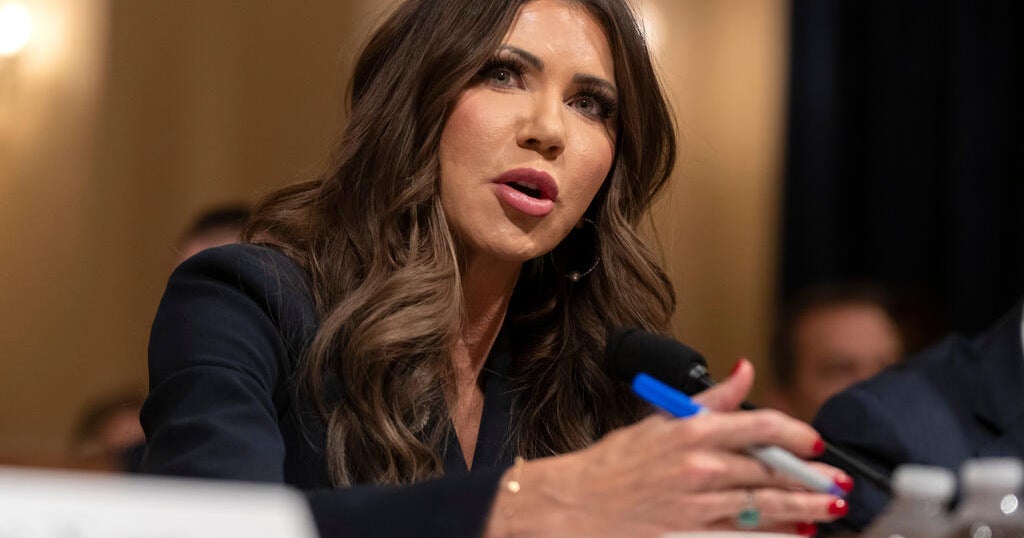
DHS Secretary Kristi Noem, at President Trump's direction, announced an immediate pause to the U.S. diversity visa (DV) lottery program after authorities said the suspected shooter in recent killings entered the U.S. via the program in 2017 and was later issued a green card. The decision — notable because the DV program grants 50,000 visas annually and is overseen largely by the State Department — raises legal and regulatory questions about the authority to pause a congressionally created program and increases near-term political risk around immigration policy; the suspect was found dead by suicide as authorities continued investigations. Financial-market implications are limited, but the move heightens policy uncertainty tied to an administration that has previously targeted the DV program.
Market structure: The immediate economic effect of pausing the 50,000-seat diversity visa program is small vs ~1M annual U.S. admissions, but the move is a political signal that increases regulatory risk for immigration-sensitive sectors. Short-term winners are homeland-security contractors and cybersecurity vendors (expect marginally higher DHS/contract award probability); losers include universities, international-student–dependent services and select tech-startups that rely on foreign talent. FX/bond impacts should be modest (USD could firm ~0.2–0.5% on Republican policy strength; UST 2s/10s may cheapen 5–15bps if risk premia rise), equity vol likely to tick up near-term.
Risk assessment: Tail risks include escalation into broader H-1B/employment-visa tightening that could reduce U.S. tech labour supply and shave 1–3% off S&P EPS over 6–18 months; litigation or federal judges could reverse the pause within 2–8 weeks. Immediate horizon (0–7 days) = headline volatility; short-term (1–3 months) = legislative and DHS memos; long-term (6–24 months) = structural labour/education impacts. Hidden dependencies: state university budgets, startup fundraising pipelines, and vendor contract cycles that amplify small visa changes.
Trade implications: Favor security/defense and enterprise cybersecurity exposure for 3–12 months while keeping size disciplined; implement downside protection for large-cap tech given policy risk spikes. Trim small-cap and education/college-service exposures that are most sensitive to international enrollment declines. Use event-duration options (1–3 month) to express directional views while containing risk.
Contrarian angle: The market consensus may overstate permanency—Trump-era suspensions were reversed before; this pause could be legally/operationally narrow (USCIS DV1 subset) and reversed within 30–90 days. That argues for small, hedged positions (size 1–3% of portfolio) rather than large directional bets; catalyst list (DHS memos, State Dept actions, court rulings) should be used as explicit unwind/scale-up triggers.
AI-powered research, real-time alerts, and portfolio analytics for institutional investors.
Request DemoOverall Sentiment
mildly negative
Sentiment Score
-0.28
