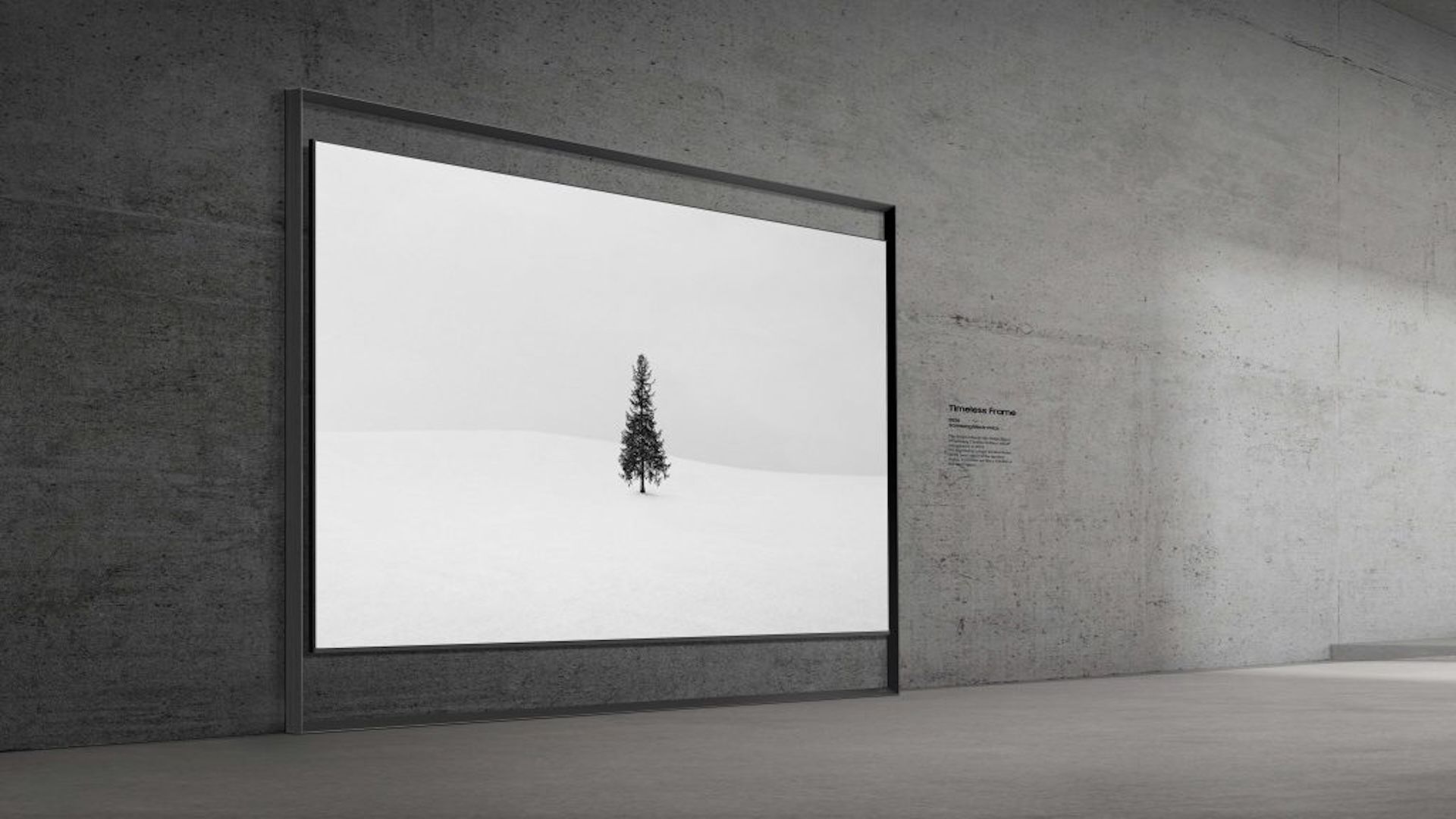
At CES 2026 major consumer-electronics firms emphasized industrial design in premium TVs: Samsung unveiled the Timeless Frame, a 130‑inch Micro RGB TV inspired by gallery framing; Amazon introduced the Ember Artline lifestyle TV with a wooden frame and over 2,000 built‑in artworks; LG launched a nine‑millimeter‑class, true wireless Wallpaper OLED. The product-cycle focus on aesthetics and lifestyle positioning signals increased product differentiation in the large‑screen premium segment, with potential implications for pricing, marketing strategies and competitive dynamics among Samsung, Amazon and LG.
Market structure: Premium aesthetic TVs (micro‑RGB, wafer‑thin OLED, framed/lifestyle designs) shift competition from price to design/IP and ecosystem bundling. Winners are platform owners (AMZN) and creative/content platforms that can monetize art/subscriptions; hardware incumbents with scale (Samsung, LG) keep manufacturing leverage but face higher R&D/capex. Expect ASPs on flagship models to be +10–30% vs. mainstream models, shifting 12–24 month mix toward premium SKUs and tightening premium-panel lead times by an estimated 5–10% in near term.
Risk assessment: Tail risks include micro‑LED/OLED yield failures (major capex impairments), a cooling consumer discretionary cycle that reduces demand for high‑end TVs, and heightened regulatory scrutiny of Amazon’s vertical integration. Immediate effects (days–weeks) are sentiment swings around CES; short term (months) hinge on holiday sell‑through; long term (quarters/years) depend on ecosystem monetization and supplier capacity expansion. Hidden dependencies: art licensing/IP deals, content partnerships, and returns/installation service economics.
Trade implications: Favor platform and software beneficiaries over standalone hardware manufacturers. AMZN can capture higher attach rates for Prime/ads; ADBE stands to gain modestly from increased demand for licensed digital art and creator tools. Watch supplier capex commentary and panel yield updates as tradeable catalysts; use options to express asymmetric views around earnings and CES follow‑ups.
Contrarian angle: The market may overestimate near‑term volume adoption—design is a niche (likely 5–10% of total TV units in 12 months) and vulnerable to economic downturns that compress ASP premiums. Prefer owners of recurring revenue (AMZN services, ADBE subscriptions) rather than high‑capex OEMs; a failed yield ramp or margin squeeze could quickly re‑rate hardware makers by 20–40%.
AI-powered research, real-time alerts, and portfolio analytics for institutional investors.
Request DemoOverall Sentiment
mildly positive
Sentiment Score
0.28
Ticker Sentiment
