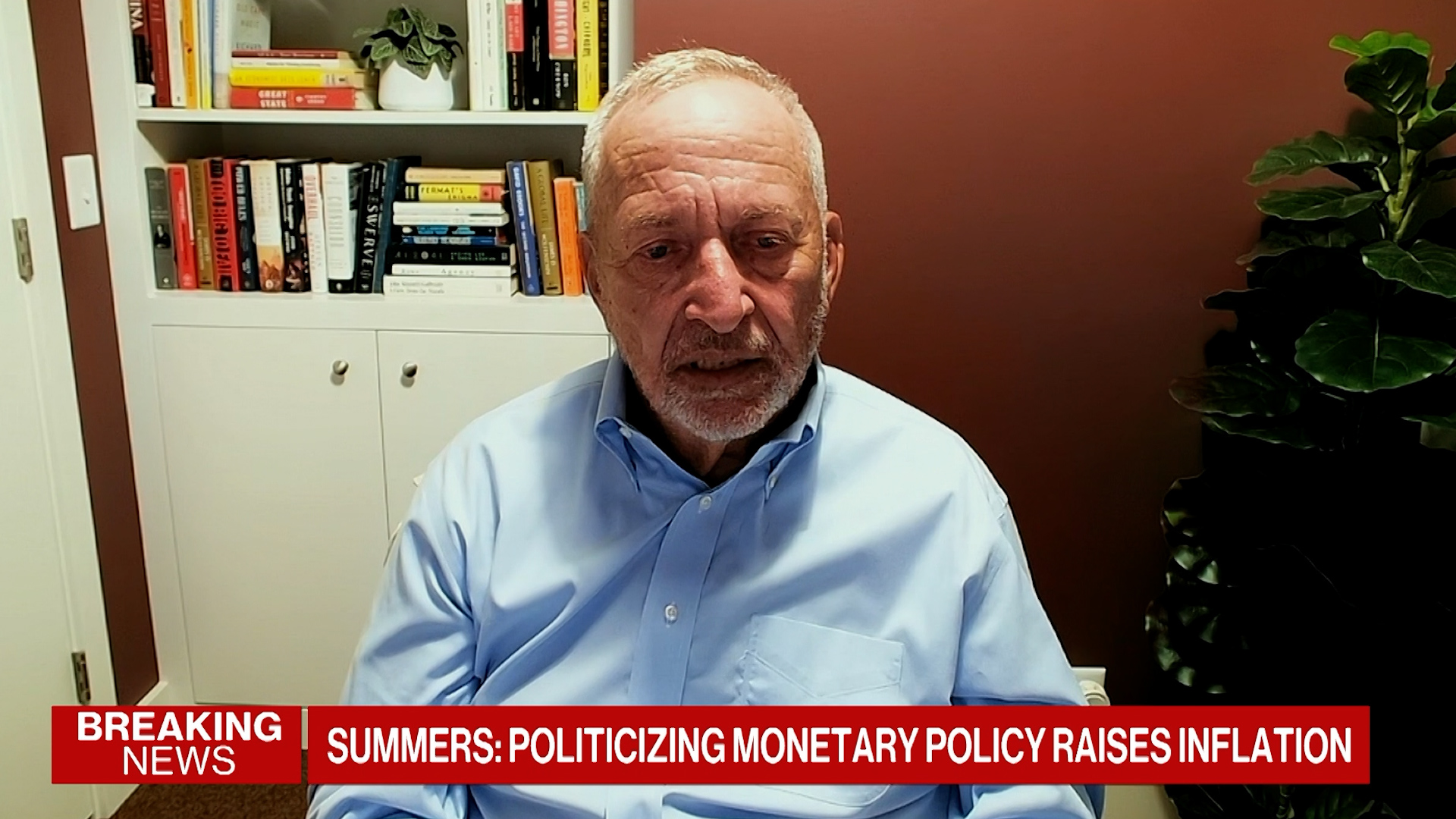
Former President Trump is reportedly seeking to remove a Federal Reserve official identified as Cook, a move characterized as 'uncharted waters' that directly challenges the central bank's independence. This action, coupled with his exploration of options to extend influence to Fed banks, signals a potential shift towards increased political intervention in monetary policy, raising concerns for institutional investors regarding the future autonomy and stability of the Federal Reserve.
Reports that former President Trump is exploring the removal of a Federal Reserve official, identified as Cook, represent a significant challenge to the central bank's institutional independence. This move, described as entering "uncharted waters," is compounded by concurrent reports of efforts to extend political influence over regional Fed banks. The development injects a high degree of political risk into the monetary policy outlook, threatening the Fed's long-standing autonomy which has historically underpinned market stability. The strongly negative sentiment score (-0.75) and high market impact score (0.85) signal that investors perceive this as a serious threat, potentially heralding an era of less predictable, politically-driven monetary decisions rather than data-dependent ones. The primary concern is that such actions could undermine the credibility of the Federal Reserve, leading to increased volatility in interest rates, currency markets, and broader asset classes.
AI-powered research, real-time alerts, and portfolio analytics for institutional investors.
Request DemoOverall Sentiment
strongly negative
Sentiment Score
-0.75
