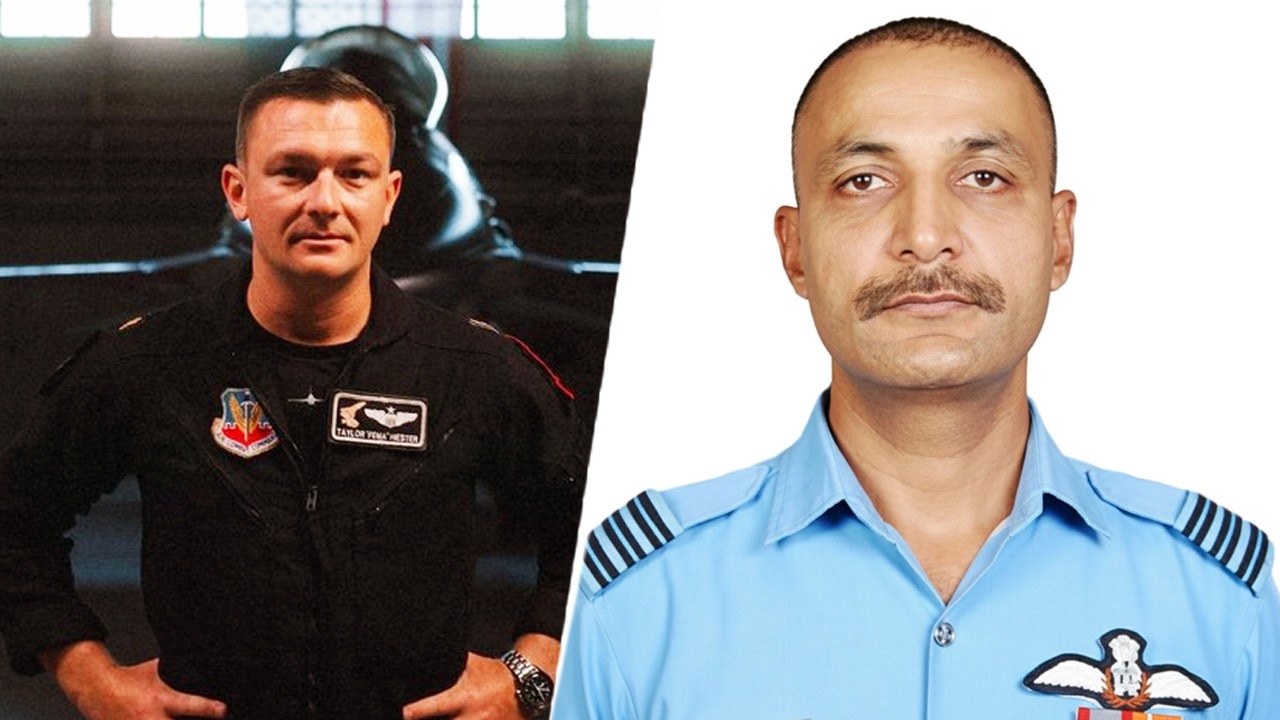
An Indian Air Force Tejas light combat aircraft built by Hindustan Aeronautics Limited crashed during a manoeuvre at the Dubai Airshow, killing Wing Commander Namansh Syal and prompting some display teams, including the USAF F-16 Viper demo, to cancel final performances in protest while the organisers continued flying schedules. The accident raises reputational and programmatic questions for HAL and the Tejas platform but is unlikely to produce immediate material market moves; any investor impact would be driven by longer-term safety, certification, or contract implications rather than the incident itself.
Market structure: The immediate winners are large, proven defense primes with broad service/AFTERMARKET footprints (e.g., LMT, BA) as customers and procurement agencies bias away from newer platforms; losers are mid‑cap OEMs exposed to single‑platform reputational hits (e.g., HAL) where order risk and financing costs can rise. Expect near‑term market share shifts of 1–5% in targeted export competitions over 6–24 months if investigation findings imply systemic platform risk; pricing power on sustainment work should improve for incumbents by a similar magnitude.
Risk assessment: Tail scenarios include a 3–24 month partial grounding or delayed certification that defers 10–30% of HAL’s near‑term revenue (high‑impact, low‑probability) and political export freezes that reduce pipeline visibility by 30–50%. In days-to-weeks, reputational headlines drive volatility and option IV; in quarters-to-years, contract awards and certification outcomes determine cashflow. Hidden dependencies include insurance re‑pricing, supplier covenant triggers, and government indemnity negotiations that could surface within 30–90 days.
Trade implications: Tactical trade is asymmetric protection on HAL — establish 2–3% portfolio short via outright shares or buy 3‑month 10–20% OTM puts if HAL gaps down >5%; pair this with a 1–2% long in LMT (Lockheed Martin, ticker LMT) for relative safety over 3–12 months. Use options: consider buying HAL puts (30–60 day) if implied volatility rises >25% vs historical, or sell covered calls on long defence primes to harvest elevated premia. Rotate 1–2% from EM defense small caps into US primes and sustainment‑heavy stocks within 7 trading days.
Contrarian angles: Consensus may overprice program‑level culpability — if root cause is procedural/pilot error, HAL downside should be contained and could rebound 15–35% over 3–9 months; similar to past platform incidents where primes recovered after targeted fixes. Watch for regulatory overreach or politicized contract cancellations (a 10–20% revenue shock scenario) as an underappreciated risk that would reverse any quick rebound.
AI-powered research, real-time alerts, and portfolio analytics for institutional investors.
Request DemoOverall Sentiment
mildly negative
Sentiment Score
-0.25
