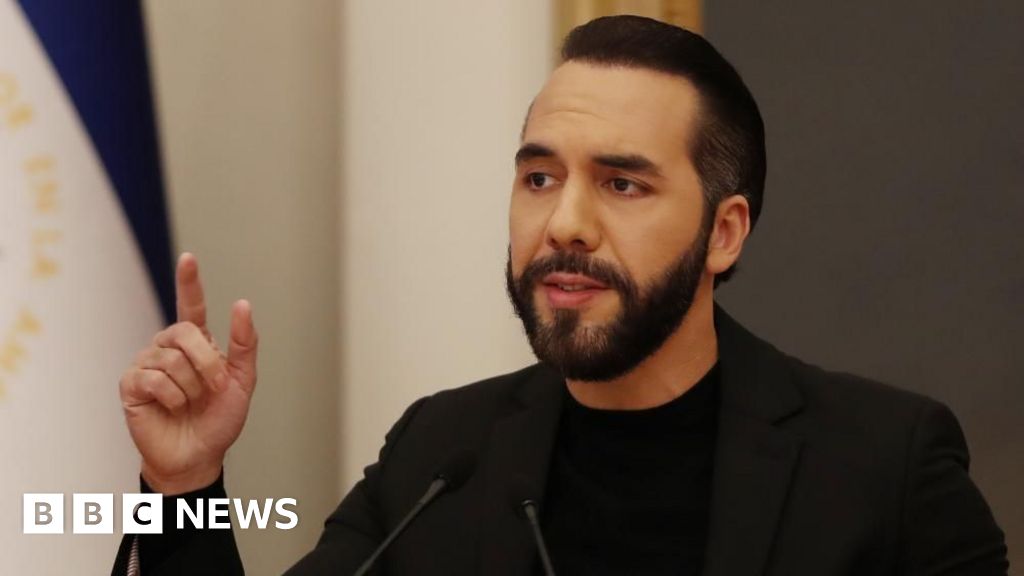
El Salvador's congress has eliminated presidential term limits and extended future terms to six years, allowing President Nayib Bukele to seek indefinite re-election, with the next election now slated for 2027. This move, enacted by Bukele's legislative majority despite constitutional concerns and criticisms from human rights groups regarding his anti-crime policies, consolidates his authority and raises significant questions about the nation's democratic institutions, the rule of law, and its long-term political stability.
El Salvador has fundamentally altered its political framework by eliminating presidential term limits and extending terms to six years, effectively allowing President Nayib Bukele indefinite rule. This legislative change, passed with a dominant 57-3 majority in the Bukele-controlled assembly, formalizes a trend of power consolidation that began with a controversial 2021 court ruling enabling his re-election. The move significantly elevates the country's political and institutional risk profile, as critics and human rights organizations frame it as the end of democracy and the entrenchment of one-party rule. While President Bukele's popular anti-crime crackdown has reduced murder rates, it has come at the cost of severe human rights concerns, with an estimated 75,000 arbitrary arrests under extended emergency measures. This creates a critical dichotomy for investors: perceived short-term stability derived from improved security versus the profound long-term risks associated with weakening democratic institutions, potential policy unpredictability, and the erosion of the rule of law. The strongly negative sentiment signal (-0.6) reflects the severity of these governance concerns.
AI-powered research, real-time alerts, and portfolio analytics for institutional investors.
Overall Sentiment
strongly negative
Sentiment Score
-0.60
