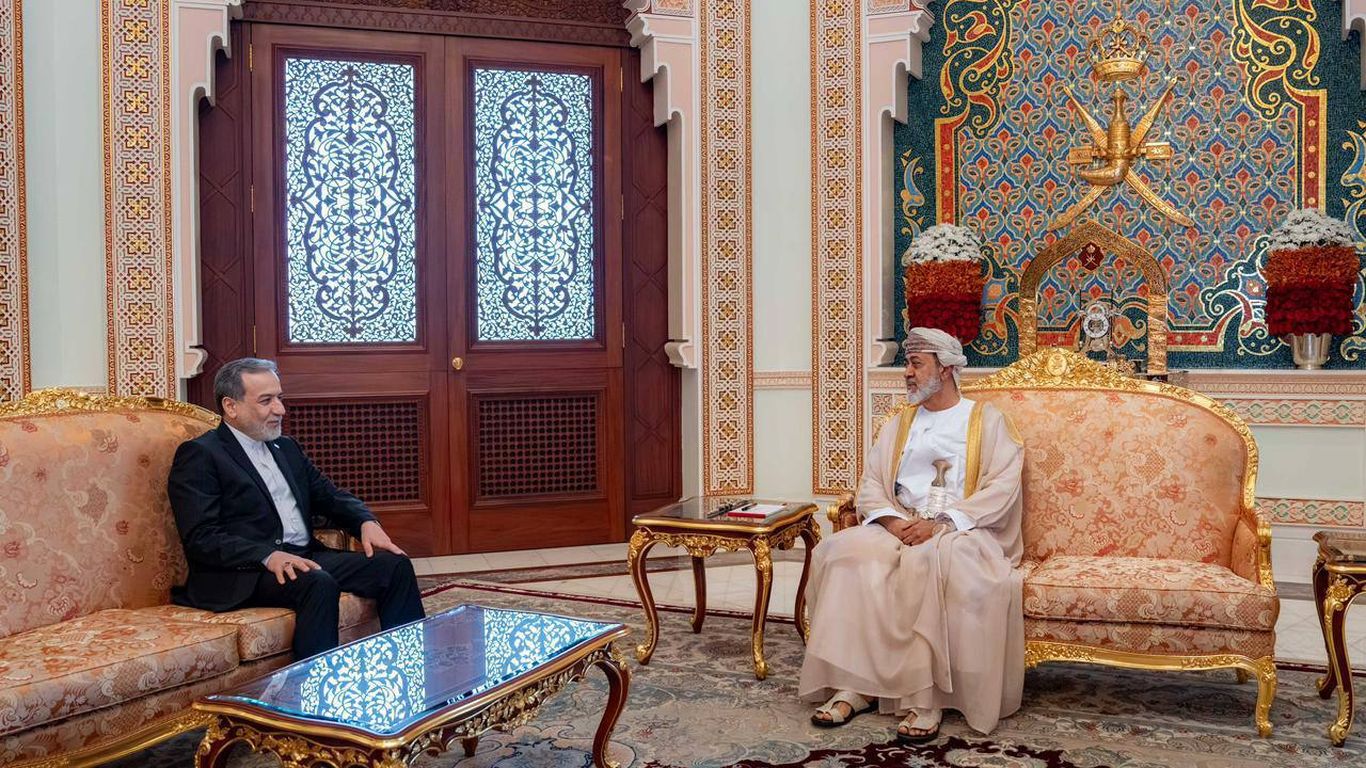
Iran has proposed reopening the Strait of Hormuz and extending the ceasefire while postponing nuclear talks to a later stage, but the U.S. has not agreed and the blockade remains in place. The standoff threatens Iranian oil exports through the Strait, with Trump saying the blockade could force a resolution within days and scheduling a Situation Room meeting on Monday. The news heightens geopolitical risk for energy markets and global shipping.
The market is underpricing the sequencing risk here: a narrow de-escalation on shipping can look bullish for risk assets at first glance, but it may actually extend the duration of sanctions-style supply tightness rather than resolve it. If the blockade is eased before any nuclear concession is locked in, the U.S. loses its strongest bargaining chip, which makes a durable settlement less likely and raises the odds of a stop-start cycle in energy flows. That kind of path dependence tends to be worse for price stability than a clean escalation or clean détente because it keeps inventories, freight, and optionality premiums elevated. The immediate beneficiaries are non-U.S. shipping and insurance intermediaries only if transit resumes with a credible security umbrella; otherwise, the second-order winner is upstream energy outside the Gulf, especially U.S., Canadian, and Latin American producers that can monetize a sustained risk premium without direct chokepoint exposure. The losers are refiners and integrated names with heavy Middle East exposure to feedstock timing and freight costs, plus industrial supply chains that depend on just-in-time inventory through Asian routing. A prolonged blockade or even partial reopening with intermittent threat would also hit global LNG/clean tanker rates and widen crack spread volatility, not just outright crude. The key catalyst window is days, not months: a Situation Room decision can reprice front-end oil and tanker equities within one session, while any follow-on diplomatic drift matters over 4-12 weeks. The tail risk is a tactical pause that draws down energy equities and then re-tightens if talks collapse again; that favors owning convexity rather than naked beta. Conversely, if the U.S. signals willingness to separate shipping from nuclear demands, the risk premium can compress quickly, but only for as long as traders believe enforcement is credible. Consensus is likely too focused on headline peace/war framing and not enough on the leverage mechanics. Even a partial reopening may be bearish for Gulf chokepoint scarcity, but it can be bullish for volatility because it preserves sanctions ambiguity while reducing the market’s ability to price a definitive endpoint. In other words, the trade may be long dispersion, not direction: winners are the most geographically insulated barrels and the assets that profit from higher freight/insurance vol, while the broad complex is vulnerable to sharp reversals on any diplomatic headline.
AI-powered research, real-time alerts, and portfolio analytics for institutional investors.
Request DemoOverall Sentiment
strongly negative
Sentiment Score
-0.55
