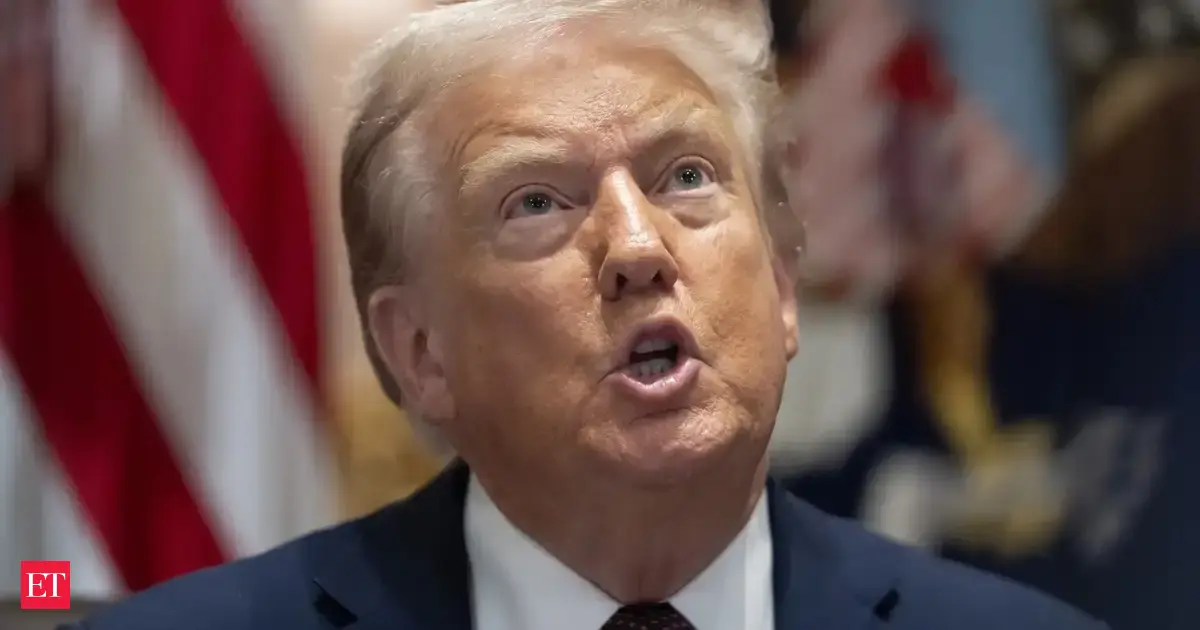
The Trump administration is proposing tariffs up to 200% on pharmaceutical imports, citing national security to bolster domestic production. While a potential 1-1.5 year implementation delay and existing inventories may mitigate immediate market disruption, analysts anticipate significant long-term inflationary pressures on drug prices—potentially a 10-14% increase from even a 25% tariff—and supply chain instability, particularly for low-margin generics. The policy faces challenges given decades of reliance on foreign active pharmaceutical ingredients (e.g., 97% of antibiotics from abroad) and ongoing legal challenges, highlighting a critical trade-off between supply chain resilience and drug affordability.
The proposed pharmaceutical tariffs of up to 200%, justified under Section 232 for national security, present a significant long-term risk to the sector, characterized by inflationary pressure and supply chain instability. While a proposed implementation delay of 12-18 months and existing company inventories of 6-18 months are expected to mitigate immediate market disruption, the long-term outlook is precarious. Analysts from ING project that even a 25% tariff could increase U.S. drug prices by 10-14%, disproportionately impacting consumers on fixed incomes. The generics market, which constitutes 92% of U.S. prescriptions, is particularly vulnerable due to its narrow profit margins, raising the risk of manufacturers exiting the U.S. market and creating drug shortages. Reshoring supply chains is a formidable challenge, given the U.S. ran a nearly $150 billion trade deficit in pharmaceuticals last year and relies on foreign sources for critical active pharmaceutical ingredients (APIs), such as for 97% of all antibiotics. Although large firms like Johnson & Johnson ($55 billion investment) and Roche ($50 billion investment) have pledged significant U.S. capital expenditure, these moves do not immediately resolve the deep-seated dependency on foreign APIs. The policy's future is further clouded by significant legal hurdles, including an adverse ruling from the U.S. Court of Appeals, and the possibility of exemptions, creating an environment of high uncertainty that could itself reshape market behavior.
AI-powered research, real-time alerts, and portfolio analytics for institutional investors.
Overall Sentiment
strongly negative
Sentiment Score
-0.70
Ticker Sentiment
