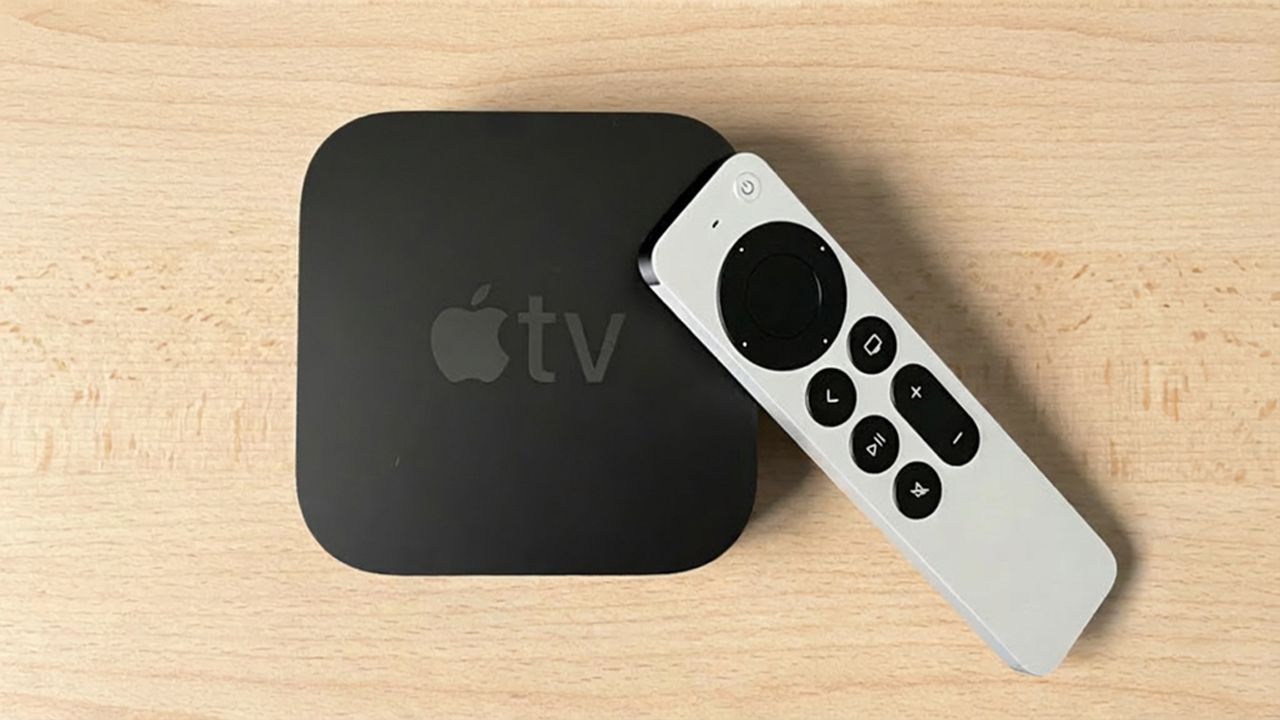
Apple is reportedly withholding launches of refreshed Apple TV 4K and HomePod mini units while waiting for a Gemini-powered Siri; existing inventory is said to be dwindling and not being restocked. Bloomberg's Mark Gurman indicates hardware has been ready since last year but release timing hinges on AI/Siri integration, with broader Siri features expected with iOS 27 and the autumn iPhone refresh. For portfolios, this implies potential near-term product refresh-driven revenue upside for Apple's devices and services, but timing uncertainty limits immediate market impact.
A near-term product refresh (implied by thinning channel inventory) ratchets concentration risk into Apple’s seasonal cadence: revenue and margin upside from a successful launch is narrow and near-term, but directionally powerful for services attachment and accessories demand for 2–4 quarters. Expect the market to price a binary: either a clean software-enabled differentiation that re-accelerates accessory ASPs and services ARPU, or a muted hardware cycle that shifts the next 12 months’ growth burden back onto iPhone and services.
Second-order supply effects matter more than headline device sales. Contract manufacturers and audio/video component suppliers will see order smoothing or step-ups within weeks of a refresh announcement; conversely, any continued delay can produce inventory destocking that hits small cap suppliers and retail channel EBITDA in the next quarter. This creates a tempo arbitrage: tradeable pricing inefficiencies between OEM (Apple) and its upstream suppliers when the market misprices the timing of order flow.
Strategically, Alphabet’s involvement in underlying AI tooling is an asymmetric optionality play — upside accrues to Google Cloud and model-serving revenues only if economics are favorable and volume materializes. That makes GOOGL a long-term play on infrastructure monetization rather than a short-term beneficiary of hardware sales; timing of realized revenue is 6–18 months and dependent on usage-based contracts.
Main risks and reframers: (1) the market is underestimating channel elasticity—if consumers view replacements as incremental, upside is capped; (2) regulatory or contractual limits on third-party model use could blunt Alphabet’s take-rate; (3) software-first rollouts create more binary event risk and compress the window to hedge. Monitor supplier bookings, sell-through data, and Apple developer signals for a tight 4–8 week read on which way the binary breaks.
AI-powered research, real-time alerts, and portfolio analytics for institutional investors.
Request DemoOverall Sentiment
neutral
Sentiment Score
0.05
Ticker Sentiment
