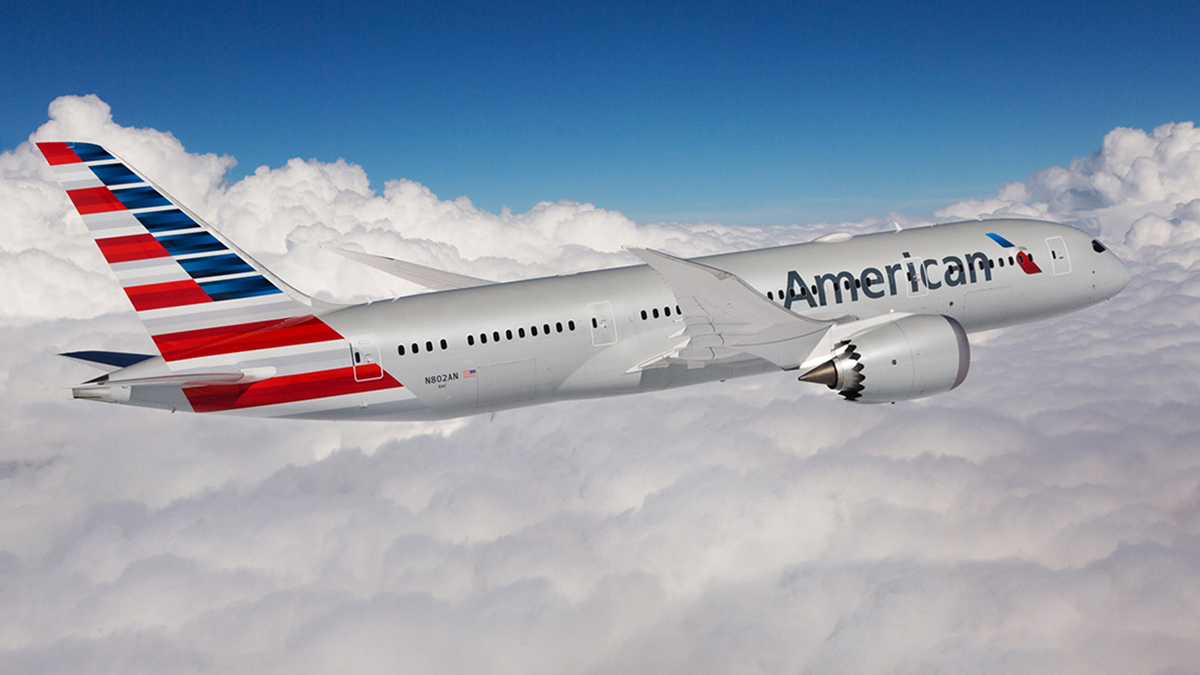
American Airlines said it is offering rescue fares on Spirit routes, reviewing added capacity, and preparing to absorb displaced Spirit customers and some team members after Spirit terminated operations. American serves 70 of the 72 airports Spirit currently serves and 67 of its routes, which may modestly support near-term traffic and load factors. The announcement is operationally supportive for American, but the broader market impact should be limited.
This is a near-term demand transfer event, not a structural share-gain catalyst by itself. AAL can monetize disruption on Spirit-heavy city pairs where it already has nonstop coverage, but the bigger second-order effect is on pricing discipline in leisure-heavy markets: a sudden capacity vacuum typically widens fare spreads for a few weeks, then normalizes once competitors upgauge or redeploy aircraft. The immediate beneficiaries are carriers with overlapping networks and the ability to move gauge quickly; the longer-term loser is the ultra-low-cost model if travelers and airports become less tolerant of a single-point-of-failure airline. For AAL specifically, the setup is better for revenue than for unit margin. Rescue fares can fill empty seats and improve load factors, but if the response requires larger aircraft and incremental flying, the incremental revenue may lag the higher CASM from operational complexity and schedule compression. The more interesting angle is labor: if displaced Spirit workers are selectively absorbed, AAL could get a short-lived recruiting tailwind in pilots, mechanics, and airport ops, which matters more than passengers because staffing is a bottleneck that has constrained capacity recovery across the industry. The contrarian read is that the market may overestimate how durable this demand windfall is. Many affected customers will simply shift to the nearest low-cost substitute or delay travel, so the revenue benefit likely fades over 1-3 booking cycles unless AAL locks in these flyers through loyalty conversion. The real catalyst to watch is whether competitors also add capacity into the same city pairs; if they do, fare strength can reverse within 30-60 days and the headline benefit becomes mostly a noise event for earnings rather than a re-rating driver.
AI-powered research, real-time alerts, and portfolio analytics for institutional investors.
Overall Sentiment
neutral
Sentiment Score
0.10
Ticker Sentiment
