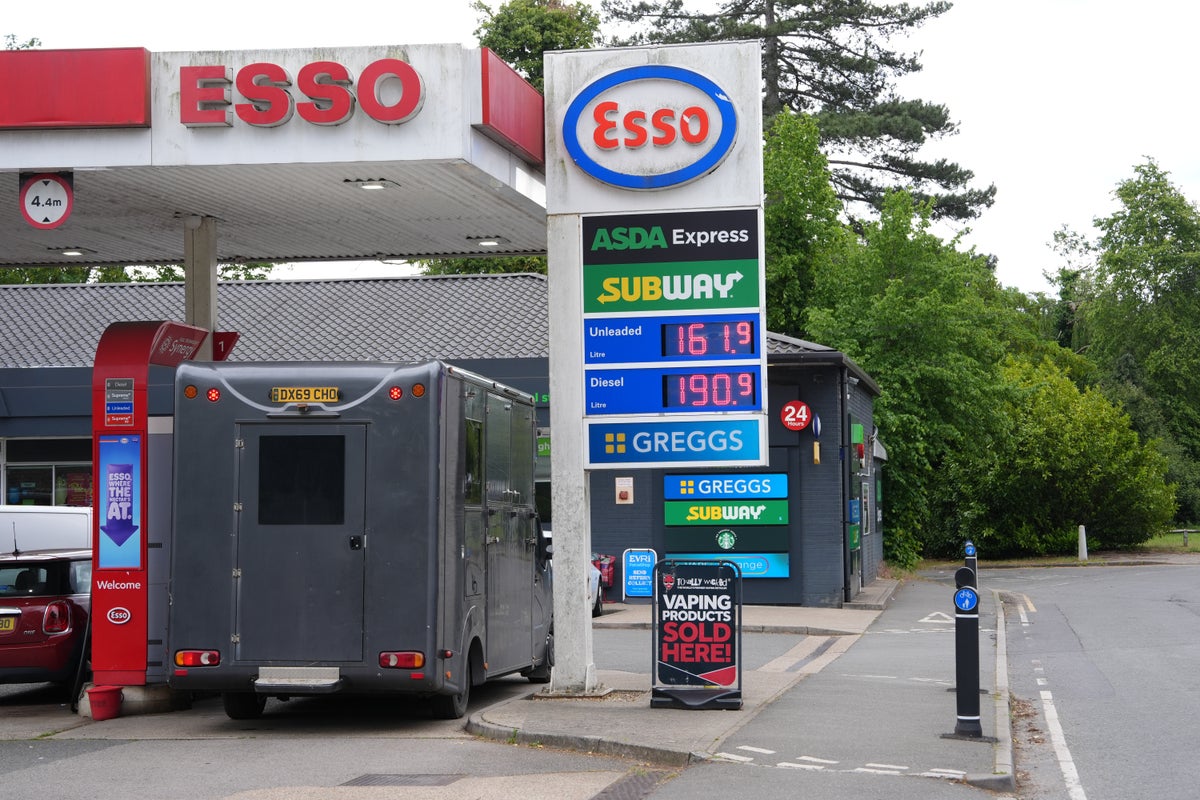
UK petrol prices have climbed to 158.5p per litre, their highest level since December 2022, and the RAC expects unleaded to rise further to at least 160p in the coming weeks. Diesel has fallen nearly 6p to 185.92p, but the broader fuel-price spike since the Middle East conflict began has already cost UK motorists an estimated £2.9 billion. The article also notes reports that Chancellor Rachel Reeves may drop plans to raise fuel duty from September.
This is a near-term inflation impulse more than a pure energy story. The pass-through matters most for sectors with weak pricing power and high mileage sensitivity: discretionary retail, leisure, home delivery, and lower-income consumer credit should see a small but broad demand hit over the next 1-2 quarters, even if the absolute per-household burden looks manageable. The second-order effect is that higher fuel costs function like a regressive tax, which tends to show up first in volumes before it shows up in official inflation prints.
The more interesting dynamic is policy optionality. If fuel duty hikes are shelved, that removes a likely 2024 fiscal drag and reduces the odds of another inflation re-acceleration later this year; that is mildly supportive for UK gilts and rate-sensitive equities relative to a scenario where the tax rises into a still-fragile consumer backdrop. However, if wholesale gasoline stays elevated while diesel continues to cheapen, transport and logistics margins can temporarily benefit from mix effects, but only if retailers actually pass through the diesel relief rather than retaining spread.
For investors, the market is probably underestimating how quickly this can reverse if Middle East risk premiums fade. Pump prices are a lagging indicator; once crude and refined product volatility normalizes, retail prices can fall faster than consumers expect, which caps the duration of the inflation shock. The contrarian takeaway is that the headline is bearish for UK consumer sentiment, but not necessarily a durable macro shock unless crude stays bid for multiple months.
AI-powered research, real-time alerts, and portfolio analytics for institutional investors.
Overall Sentiment
mildly negative
Sentiment Score
-0.35
