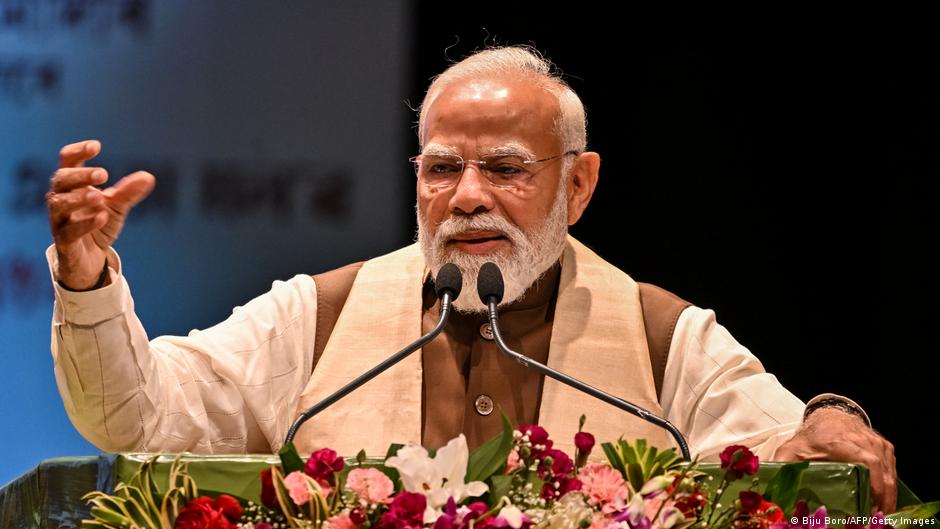
Pakistan is reported to be positioning as the potential lead mediator for talks to end the US-Israel–Iran conflict, with Pakistan's army chief reportedly speaking to the US and talks possibly starting this week. Indian political opposition has sharply criticized PM Modi's foreign policy, while Modi said India is communicating with Iran, Israel and the US and has set up seven empowered groups to monitor fuel, supply chains and inflation. The article highlights heightened geopolitical risk with potential disruptions to energy supplies and upward pressure on inflation, creating near-term uncertainty for regional markets and energy-sensitive sectors.
Domestic political heat increases near-term policy unpredictability in India, which markets will treat as a liquidity and timing shock rather than an immediate macro collapse. Expect episodic volatility in the next 2–12 weeks as headline cycles drive FPI flows; structural reallocations (defense, energy security, strategic stockpiles) will take months to crystallize and show up in budgets and capex lines.
Energy risk remains the lever that turns headlines into real economic pain: a sustained 10% move up in Brent over 3–6 months would materially widen India’s import bill and force fiscal and monetary trade-offs (subsidy management, bond supply), while a credible de‑escalation path would remove a meaningful portion of that tail premium inside weeks. Shipping and insurance repricing through the Strait of Hormuz and higher bunker costs are the fastest channels to immediate inflation and supply‑chain margin compression for Indian downstream and trading houses.
Market structure consequences are asymmetric: FX and shorter‑dated sovereign or quasi‑sovereign credit (3–12 month tenor) are the first to reprice; large cap exporters with USD revenues are natural volatility havens while domestic cyclicals and discretionary consumption names will underperform if volatility persists. The consensus under‑prices sequencing risk — headlines will spike volatility for weeks, but policy and capital reallocation that materially change fundamentals will take quarters, creating tactical trading windows that favour defined‑risk option structures and short‑dated hedges.
AI-powered research, real-time alerts, and portfolio analytics for institutional investors.
Overall Sentiment
mixed
Sentiment Score
-0.05
