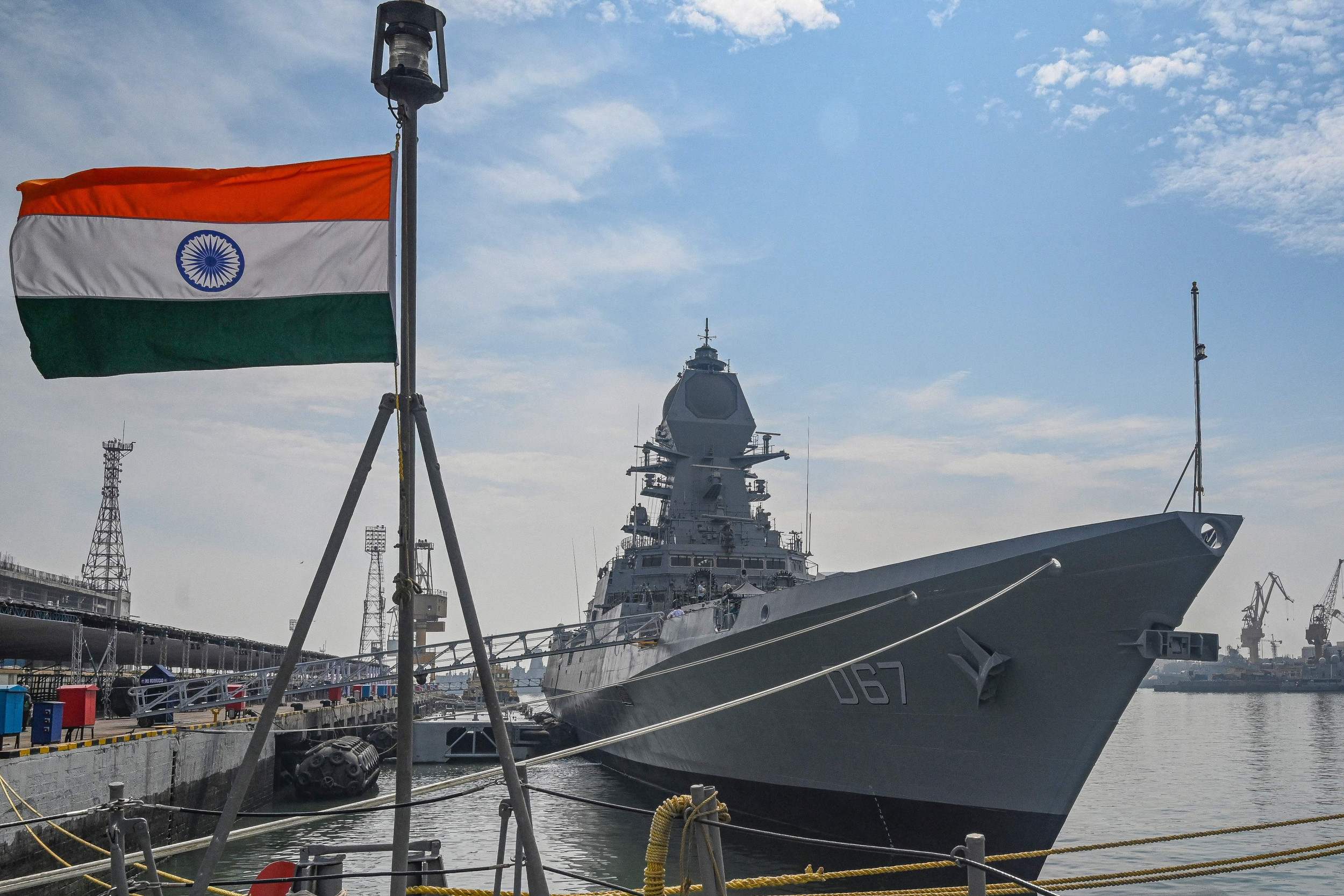
India will deploy warships for joint maritime cooperative activities with the Philippines in the South China Sea next week, marking the first such exercises since 2021. This action signals India's overt support for the Philippines in its territorial dispute with China, deepening bilateral security ties amid Beijing's expanding regional presence. Analysts interpret this as a clear strategic message from New Delhi to Beijing regarding Indo-Pacific influence.
India is set to deploy four warships for a maritime cooperative activity with the Philippines in the South China Sea from August 4 to 8, marking the first joint naval exercise between the two nations since 2021. This action is a material escalation in India's regional strategy and is widely interpreted by defense analysts as an overt signal of support for the Philippines amidst its ongoing territorial disputes with China. The move aligns with New Delhi's "Act East" policy, which seeks to counter Beijing's growing influence and is contextualized by India's own long-standing border disputes with China, including the deadly 2020 clash. The strengthening bilateral relationship is not merely symbolic; it is underscored by deepening security and economic ties, evidenced by the Philippines' purchase of India's BrahMos supersonic cruise missiles in 2023, with a second batch delivery already planned. The upcoming visit of Philippine President Ferdinand Marcos Jr. to India is poised to further cement this strategic alignment, indicating a more formalized anti-Beijing bloc is forming in the Indo-Pacific.
AI-powered research, real-time alerts, and portfolio analytics for institutional investors.
Request DemoOverall Sentiment
neutral
Sentiment Score
0.00
