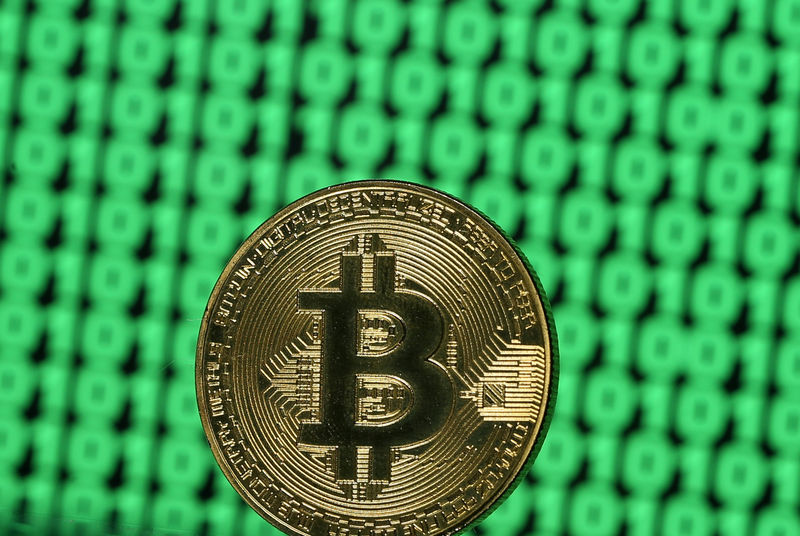
Bitcoin traded around $78,256, up 0.9% on the day and on track for a fourth straight weekly gain of about 6%, supported by nearly $1 billion of net inflows into U.S.-listed spot Bitcoin ETFs over the past week. However, gains were capped by Middle East tensions, Brent crude above $105 per barrel, and a firmer dollar, while altcoins were mostly modestly higher. Separately, Morgan Stanley launched a government money market fund for stablecoin issuers, highlighting continued institutional infrastructure development in crypto.
INTC’s move is less about a one-day earnings beat and more about a regime shift in how the market is underwriting the franchise: the stock is now pricing in a credible path from “legacy CPU vendor” to strategically relevant compute supplier with optionality around foundry, packaging, and AI-adjacent demand. The first-order upside is obvious, but the second-order effect is a rerating of the entire domestic semiconductor industrial policy basket — if Intel can hold these levels, capital will rotate toward other U.S.-centric hardware names that benefit from re-shoring, advanced packaging, and supply-chain redundancy rather than pure AI beta.
The risk is that the equity move front-ran the fundamental reset. A 26% jump compresses near-term upside unless the next 1-2 quarters confirm improving gross margin, disciplined capex, and tangible external foundry wins; otherwise the market will fade the story into a classic “good quarter, bad setup” pattern. The more important catalyst window is 60-120 days, when management credibility will be tested by whether the company can convert narrative into booked volume, not just roadmap language.
For crypto, the message is not simply “risk-on.” Institutional ETF inflows plus stablecoin reserve product launches create a self-reinforcing liquidity loop: more regulated cash instruments for issuers reduce operational friction and may deepen the reserve ecosystem, which is constructive for on-chain dollar rails over months, not days. However, elevated oil and geopolitics can still cap crypto beta because the market is increasingly sensitive to real-rate and liquidity impulses; if energy-led inflation pushes rates higher or keeps the dollar bid, BTC’s breakout can stall even with strong flows.
Morgan Stanley’s stablecoin reserve fund is a meaningful signal for compliance-driven adoption, but the bigger implication is competitive: traditional asset managers are positioning to intermediate stablecoin balances before banks or crypto-native treasuries fully capture the spread. That is constructive for short-duration Treasury demand and potentially negative for smaller cash-management providers that lose wallet share to branded, regulated products. The consensus may be underestimating how quickly reserve management becomes a fee pool, not just a plumbing function.
AI-powered research, real-time alerts, and portfolio analytics for institutional investors.
Request TrialOverall Sentiment
mildly positive
Sentiment Score
0.15
Ticker Sentiment
